Using Ed-Tech In The Classroom

By: Austin Gray

Activity:

  • Sharing fellow colleagues how to use technology in the classroom. Specifically looking at Sway, Popplet, and ThingLink
  1. target audience
    1. Coworkers/Colleagues in your school/department
  2. subject of lesson
    1. Technology in the Classroom
  3. instructional goal (what do you want students to know or be able to do)
    1. Learn the to use the technology presented.
  4. technology being used
    1. ThingLink, Sway, Popplet
  5. how technology supports instructional goal
    1. Colleagues are going to follow along and take notes as I present the material to them. They will take notes on how these different technology applications can be used for presenting to their students, as well as which ones would be good for students to do in groups or alone.

Biomes: the Final Frontier

By Katie and Sydney

Students, in groups of 2-3, will use the ThingLink about the different biomes to fill out information in a Google Doc graphic organizer for 2 biomes. They will then do a Jigsaw sharing method in order to share what they learned with the rest of the class

Activity:

  1. target audience
    1. Middle school Science Class
  2. subject of lesson
    1. Biomes
  3. instructional goal (what do you want students to know or be able to do)
    1. Learn the identifying characteristics of the 9 biomes that make up the Earth.
  4. technology being used
    1. Thinglink and Google Docs
  5. how technology supports instuctional goal
    1. The students are able to use ThingLink to explore a world map and see the locations of the different biomes. They then click on the biome and learn about the specific characteristics. Each group of 2-3 students will take notes on the Google Doc for 2 assigned biomes and then share with the class what they learned so the other students can add that information to their Google Doc.


Nutrition Final Presentation

by Madi Ohashi and Lauryn Nakashima

Access to our presentation/site:

https://sites.google.com/view/nutritionmoln/home

For our final project, we decided to do a lesson on Go, Slow, and Whoa foods. The target audience for our presentation is 3rd graders. After our lesson is completed, we want the students to have a basic understanding of these specific food groups. We want them to know what foods are good to eat and which are not. Through creating a Google Slide, they will learn more in depth about the food group assigned to them. They will be able to view the other students work on a Padlet. We created a Google Site (link below) where they can find the information and a Padlet for students to upload their Google Slides on. These three programs will aid students learning by allowing students to access the online information, gather and organize their content, and then present and share their learning to their classmates. The use of the technology makes it all very accessible for the teacher, students, and outside members. We hope you enjoy our final project!

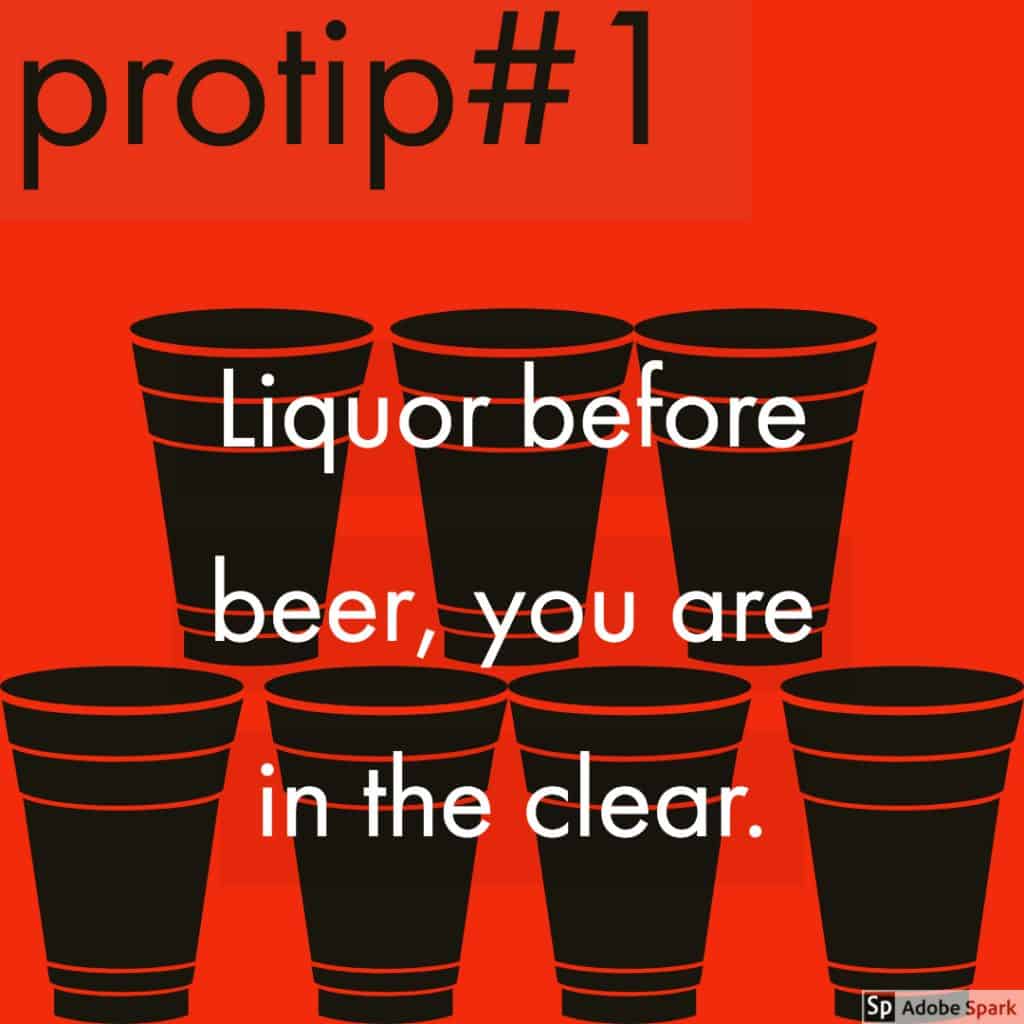
Drinking Responsibly

Link to create your own protip https://spark.adobe.com/

Made with Padlet
  1. target audience- College Students
  2. subject of lesson – Safe drinking and standard drinks.
  3. instructional goal- The learner will comprehend what the three different types of standard drinks are. The learner will also creating a protip graphic for safe drinking.
  4. technology being used- Edpuzzle, Adobe spark post, Padlet, Imovie
  5. how technology supports instructional goal- Technology supports or instructional goals because it allows for the students to be able to learn about safe drinking through interactive activities and makes learning more student centered.

The purpose of our lesson is to educate students on what a standard drink is so that they know how to drink alcohol safely. If this lesson was used in classroom then it could be taught to high school seniors in their homerooms or college students in freshmen workshops. By the end of the lesson the students will have an idea about the three different kinds of standard drinks and the amount of alcohol in each drink.

Lesson execution:

  1. Watch Edpuzzle video
  2. Show protip example
  3. Student work time to make their own protip on adobe spark post
  4. Students upload post to padelt
  5. Students make one comment on another protip

Final Project: Landmarks

By Amy Huang and Megan Bromley

The target audience of our final project is grade five. This is because we believe this technology is better suited for a higher elementary or middle school grade. In saying this, it could be modified to suit a younger grade. The subject of our lesson is landmarks. We will use in our project; Padlet, Google MyMaps and Google (to research) to involve students in a collaborative lesson designed to create engagement.

We are using technology in our lesson to enable students to see visually the landmarks they are researching, on a map. Students will work in pairs during the lesson to research their randomly given country and create their own MyMaps. At the end of our lesson, students have the opportunity to share their findings with their peers and have a discussion about the interesting landmarks they have found.

Made with Padlet

Link to create your own Google MyMaps: Google MyMaps

Final Project: HP²

For our final project, we created a pollination lesson for first grade students. The lesson is part of a larger unit, with our presentation being lesson 3 of the unit, and focuses on different kinds of pollinators and their roles in pollination.

Students will work in groups to analyze a pollinator by using Thinglink to research in a group and share their research findings with the class by posting on Padlet.

Thinglink is a great tool for these kinds of projects because it allows content to be presented in multiple ways, and it can incorporate many types of media. In addition, Padlet enables students to record their research, share their findings, and explore other groups’ information, while also allowing the teacher to observe student learning.

MyMaps Final Presentation

This is a Co-Post by Caroline Halvorson, Ysabelle Saguin, and Rylee Seekins

We presented to teachers about how to use MyMaps as a tool in different classrooms. The goal was to have a general understanding of how to use the tool as well as different ways it can be applied. The variety of uses can improve any lesson that incorporates maps, particularly in social studies. Geography and political climate can be studied using this tool as well as historical landmarks. This is an easy to utilize tool in a 3rd-5th grade classroom.

Final Project: Genre Studies

By: Samantha Laughlin & Sabrina Pangelinan

For our final project, we created a lesson for 3rd grade students. This lesson is intended to be part of a larger unit on genre studies. This particular lesson focuses on the Folk Tale genre and explores the different types of tales, or sub-genres. Students work in groups to explore one type of Folk Tale. Each group is given a ThingLink with a variety of different resources to explore. Students will work within their groups to analyze the information provided within the ThingLink and then record their responses using Padlet. A link to Padlet has been provided to each student that has questions posted for each sub-genre. Students will record their responses in real time and will be able view each groups’ answers. This information will be gathered and used in a next lesson that explores the entire genre and involves group discussion.

Thinglink is a great tool for this project because it allows content to be presented to students in a variety of ways. In our ThingLinks, students are given multimodal access through pictures, videos and textual information. Padlet allows students to record their answers, share their information and view the other groups’ findings. This is an easy outlet for students to record their information and for the teacher to observe and respond in real time.

Explore your genre below and record your answers here: https://padlet.com/jessbri31/dmkkub93jx2w

Legends

Fables

Tall Tales

Fairy Tales

Myths

Final Project

By Lauren Alvarez and Audrey Muller

Our final project aims to help students practice their debate skills in the form of a meme. This lesson is designed for fourth grade students including a variety of research materials. Students will be able to form an opinion on the morality of zoos, create a visual defending this, and share it with the class. Before class, students will read, watch videos, and take notes about the pros and cons of zoos. They will take a stance on either side and find a partner in class. Pairs will create the meme together, using Adobe Spark, sharing it onto Padlet when finished. Adobe Spark allows for students to practice these skills in a non-conventional way. Debates do not have to be verbal, these memes can be just as moving as words. This website would be a great resource for accommodations so all students can demonstrate their learning. Padlet allows for the class to see everyone’s opinions on the zoo debate and see if more students are pro or against zoos. All the memes will be in one place and easily accessible. This lesson could be built upon resulting in a persuasive essay or research project.

Final Project: Teaching Health with Thinglink and GoogleSlides

This project was made for third grade students learning about health and nutrition. This lesson’s goal is to teach students the nutrients in the food groups, why they help us, and how to apply that knowledge to make a healthy meal. Through the use of Thinglink, students will practice guided research with a partner to find out what nutrients do for our bodies by following links to watch a video, listen to a song, read short informational pieces, and play games. Then, using Google Slides and the new information they have discovered, they will collaboratively make a healthy meal for an imagined Olympic athlete on one slide of a class presentation by searching for and inserting pictures of foods into the designated portions on the plate.

The technology enhances this lesson because the Thinglink site holds all the information the teacher wants the students to find, and the picture background provides a basis for what nutrients the foods connect with. It lets the students feel that they are in charge of their own learning and will get them engaged when they can explore and have options using a computer. The google slides presentation allows the whole class to work on the same page at the same time, collaboratively. It also makes it easier for the teacher to grade and monitor as the work is being done. Working with a partner on the same project on different computers makes the learning individualized and collaborative at the same time so students can work at their own pace but get insight from the students they’re working with.