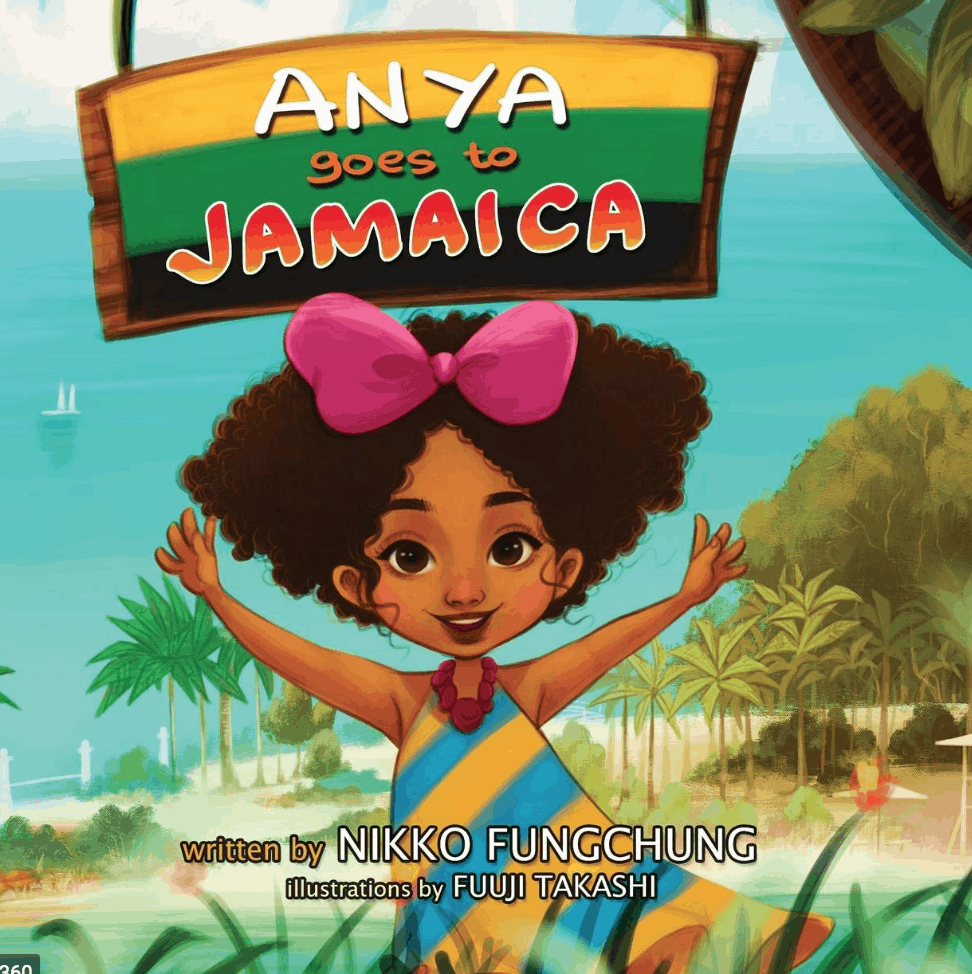
EdPuzzle: Anya Goes To Jamaica

This lesson is meant for Kindergarten to 3rd grade (most likely 3rd). This lesson would be an introduction to a lesson to prepare for a history lesson where we learn about different countries/places! I also think this is a great activity to get students to think about different places and to see someone their age while combining with their imaginative side. I also asked multiple questions but one question I ask are what places that they want to learn about. This way I can also cater to my students interests and keep them engaged.

Learning About Bats! Padlet vs Bubbl.us

Using Padlet and Bubbl.us, I created a KWL chart about bats. This lesson is geared towards 1st graders where they will be learning more about bats. This lesson provides the students with the opportunity to ask questions and tell the teacher what they want to learn, as well as showing what they already know and what they have learned after the lesson. Padlet is a great way for students to learn in a fun way, while also gaining knowledge and learning new things about bats. Bubbl.us is also a great tool to use but I would have to say I like Padlet better because it is organized, easy-to-use, and has many different formats.

Padlet can be used in a classroom to encourage students to share their ideas and have a voice. It gives students who are quiet or shy, the opportunity to feel comfortable sharing their opinions and contributing to the class. Padlet allows for all students to be able to see what their classmates are thinking but also provides independent work time. I like Padlet and think it is a great tool for students and teachers and could be used for such a wide variety of activities in the classroom.

Made with Padlet

Please Please the Bees

This lesson is geared towards a first through third grade audience. This book is meant to be a priming of knowledge in a larger lesson about bees. Already in this lesson, students will know what bees do and how bees produce honey. From this video, I want students to begin thinking about what we, as humans, don’t do already or can do to help bees. I want students to see, that if we do not help or respect the bees, they probably will not go on strike, but they will stop producing honey and doing the jobs we need them to do. Therefore, after the students watch the video, they should begin to brainstorm what we can do to help the bees.

I enjoyed using EdPuzzle while creating this post, I thought that it was simple and easy to create comments onto a video. EdPuzzle would be something fun for students to watch a video and check their understanding of that video. It is also something that can be used with students in rotation and if they want to put their own comments onto videos – in order to teach their classmates. In the future, I would like to continue to use EdPuzzle and maybe next time, I can add a voice over.

The Radical Rainforest

Rainbow beak toucan sitting on branch in front of large green leaves

In this video, students will be learning some basic information about the rainforest ecosystem and what is does for the planet. This would be a great resource for students studying different ecosystems in 2nd through 5th grade. Perhaps you could have students watch multiple videos on different ecosystems and compare what they learn or have them research one type of ecosystem extensively. It could also be used to talk about deforestation and conservation as moral dilemmas for some of the older elementary kids.

I really enjoyed using Edpuzzle and could definitely see myself using it lots in the future. There is so much great content to learn from online, and the use of periodic breaks allows kids to actually absorb and think about content, as well as take a brain break if needed.

Featured Photo by Chloe Evans on Unsplash

Feed Me!- Animals and Their Eating Habits

For my EdPuzzle lesson I decided to use the Crash Course Kids video Feed Me on YouTube. This lesson is geared towards younger students, so kinder through first grade and is about animal eating habits. Students are taught what an omnivore, herbivore, and carnivore is as well as how plants get and use their energy.

I really enjoyed using EdPuzzle because it was easy to work and allowed for a lot of flexibility in how you can ask questions or put in comments. I will definitely be using this program as an educator as I feel it is a fun way to get the information across in an easy way that still allows the teacher to have full control of the lesson.

Featured image by Christine Sponchia on Pixabay

Online Student Resources Screencast

I choose to use screencast to create my video. I created a video including three websites for students, including Scholastic Learn at Home, PBS Learning Media, and National Geographic Kids. I created this video for students who may need an activity or enrichment during this time that we are all home due to COVID-19. This video could also be viewed by parents who need a quick introduction to these websites. Enjoy this preview and exploration video!

Video created by: Braelyn Higdon

Featured Image by: StartupStockPhotos

All the sun does for us!

I really enjoyed using Edpuzzle. It was easy to use and I think it is such a great concept in order to keep students engaged in the video, especially longer videos where they could easily zone out and not gain the information you had intended.

My video is treated towards 1st and 2nd grade students who are learning about the sun and different concepts of the universe! It could be used as an intro video to a bigger lesson

Featured image: Pixabay

A “Kriller” Lesson On Whales

Blue Whale

Whales are some of the most majestic creatures on this planet, and something that I would have loved to learn about when I was a kid in school. I found a video made by National Geographic which has some “fast facts” on Blue Whales, that I thought could benefit from the tools that Edpuzzle provides to make it more engaging. I generated questions that would support students’ math and literacy growth to make what would be incorporated into a science lesson a more wholistic learning experience for the students. This video could be used as an introduction to a unit on Whales to familiarize students with material we would cover more in depth later on, but could also be used half-way through a unit to help cement information that the students had already learned.

I really loved using Edpuzzle, and think it is a great resource. Too often when videos are assigned as homework, kids can easily check-out while the video is playing and not actually engage with the information. Having little “checkpoints” throughout the video where kids can show their knowledge and mastery of the content helps them to be actively engaged with their learning, as opposed to passively receiving information.

Featured Image by Welcome to all and thank you for your visit ! ツ from Pixabay

You’re a STAR!

I found a fun video from Crash Course Kids all about stars. It talks about how stars are much different from planets, dwarf planets and asteroids (however, they don’t mention airplanes). It gives the students some definitions but my main focus was for students to understand the differences when looking up at the night sky. The video tells the watcher about three differences that can help distinguish between the planets and an actual star. I would ideally use it for 3rd-5th graders and give it as a short homework assignment probably before we even talk about stars in class. I didn’t want to make the questions to complex or the student would spend more time finding the answer than watching the video.

I found EdPuzzle to be a different way to engage students. It was pretty easy to use at first, however, I was frustrated trying to figure out where to put the questions. Whenever I would write a question, the video would keep playing and my question moved with the progression of the video. I also liked the voiceover feature because it made the video seem more personalized from the teacher to the student. I see myself using this in my classroom as a substitute to a worksheet.

Photo by Denis Degioanni on Unsplash

How to Address an Envelope

This is a video that I made for anyone who does not know how to address an envelope. The current international crisis we are in today is causing us to be quarantined, separated from our friends and family. Writing letters is one way we can stay connected with each other during these rough times. This is a fun way to keep in touch and a great way to implement writing into the day for those who are homeschooling or using supplemental learning resources!

Storyline Online Lesson

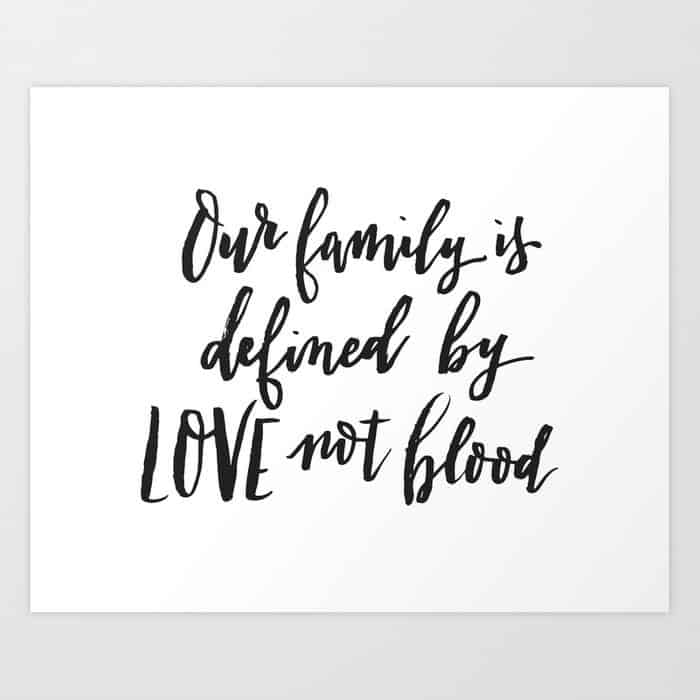
I really enjoyed using Edpuzzle and will definitely use it for future lessons. Edpuzzle is easy to use and makes videos more engaging. For this lesson, I chose a video from Storyline Online where students will learn themes about family, adoption, and responsibility. After the read aloud, I would ask my students questions like “do all families look alike?”…”How are they sometimes different?”…”What makes a family a family?” I would also introduce the words orphan and adopt and discuss with my first graders. Great book and great tool!

Research on Penguins!

Using Loom, I created a screen recording to look at three different websites that talk about penguins. This lesson is for a first grade classroom where students will be using these three websites to learn and share information with their peers. With all the schools moving online, this tool would be very helpful and easily accessible.

However, I did not know how to get rid of the icons in the bottom left corner and I apologize for my computer noise…