I’m From Here and There

Seattle city skyline
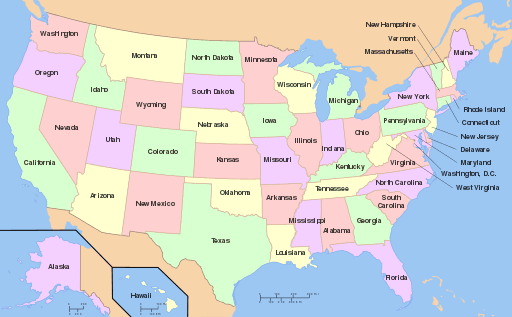
I'm from Federal Way, Washington.
From Sunday night church and family dinners at Chipotle
after
From fall bike rides in the valley and summer bike
rides at sunset
From reality tv every night before bed
From a 45-minute commute to high school filled
with Frank Sinatra sing-alongs.

I'm from Portland, Oregon.
From Sunday morning Mass with a freshman year friend
From stolen bikes and sunny afternoons in the quad
From late night conversations and Christmas card photos
with friends who feel like family
From Mt. Rainier to Mt. Hood...still a nice view,
but definitely not the same.

[embedit snippet=”im-from-here-and-there”]

I really enjoyed using Adobe Spark as a way to illustrate my I’m From poem. I think it was user-friendly while still being equipped with tools that can make your product look like it took forever to create – with the intricate windows feature, and the “glideshow” capability. I also really appreciate that you can search within the application for free images, and that the creator will automatically give credit to the owner of the images if need be. I think this is a great and easy to use tool that could serve unique purposes in the classroom!
Featured Image by skeeze from Pixabay

I’m From Salt Lake City

Poem:

I am from Salt Lake City, Utah where we have all four seasons. We go from yelling like crazy at college football games in the fall, to skiing in the winter in the mountains while spotting celebrities at Sundance, then posing in front of the cherry blossoms in the spring, and hiking the red rocks in the summer.

I am from no snow days because snow is part of our winter weather. I am from where the 2002 Winter Olympics took place. I am from tons of sweets and not a lot of coffee. I am from a place named after a large lake of salt. I am from a quiet yet loud enough place to know about it.

I am from a place where the history is deeper than the our slang terms and pronunciations. I am from a place known as “Small Lake City” Where everybody knows everyone and I am related to most of the people there. I am from a place that will forever be home no matter where I live.

Adobe Sparks Reflection:

I enjoyed making this poem and then adding pictures to it on Spark Notes. I can see how this could be a great resource and be used in the classroom like to help with a book that is read or for help with the writing process or the scientific method components. I think that I struggled with Adobe Sparks because I am not as familiar but think that the more I interacted with it, the easier it became.

I'm from Salt Lake City

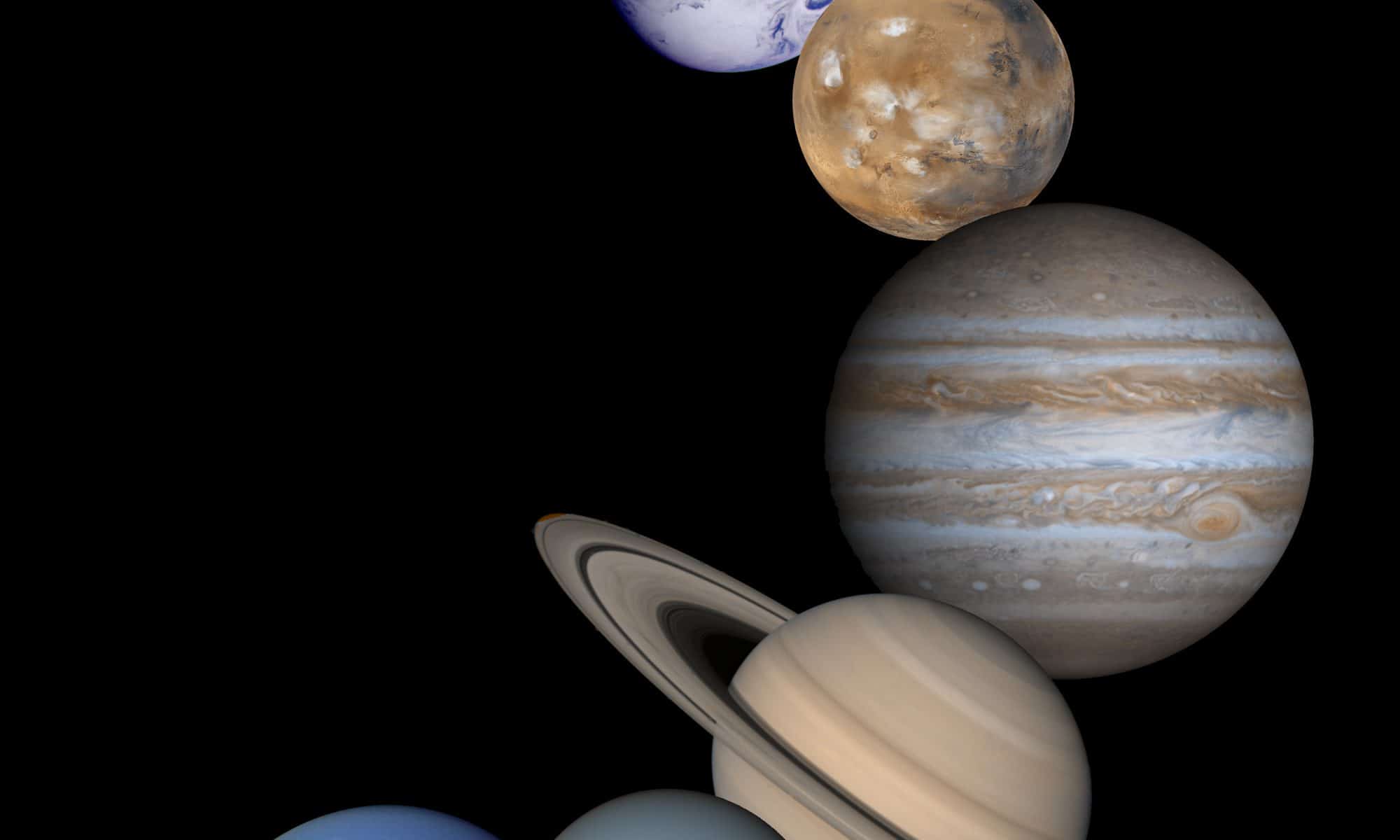
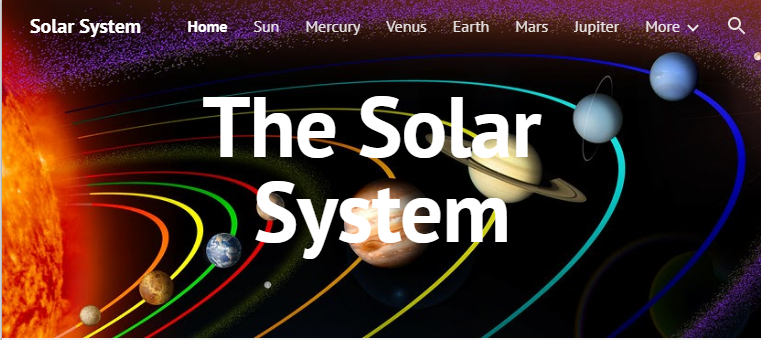
Explore the Solar System

By Allie Haakenson and Chloe Mar

Click to view the Site.

This lesson is meant to be taught to second graders. It is to be used as an introductory activity to a science unit about the solar system. The students will be taking a pre-assessment to demonstrate how much they know about the solar system, and so that can see how much they learn at the end of the unit. They will then go through pages on each of the planets, including the Sun. Each page has a quick introduction video and a small activity to complete; that highlights the planet. From all the data collected based on the google forms, docs, and slides we can then adjust and plan for what the students seem most interested in and still struggle with.

A Day at the Beach

Ocean Lesson by Nicole Baer

This website is designed for kindergarten students as they start a unit on the ocean. The lessons provide information on marine animals in their natural habitat, the five ocean layers, and provides different ways that students can help conserve the ocean. Through this website it is my hope that students develop a newfound curiosity for the ocean, including its creatures, and develop an understanding of the harmful effects humans have on the ocean, and ways they can participate in the conserving of the ocean.

Featured image by Claudia14 on Pixabay

Classroom Website for Ms. E and Ms. H

Authors: Braelyn Higdon and Ellie Cordova

The target grade for this classroom website is any grade. A classroom website can be beneficial for classrooms with students of all ages from primary school to college. The intent of this classroom website is to provide information for parents, guardians, caregivers, and students. Click the image below to visit Ms. E and Ms. H’s classroom website.

Featured Image by: Geralt

Ms. Frick’s Website!

This website that I created is meant to be a resource for parents and students in my 7th grade math class. It includes my contact information, the class homework schedule, some helpful websites that students can use for help reviewing topics and strengthening skills.

This website also allows parents to complete a form of their preferences for communication, which allows me to build better relationships with the adults in my students’ lives. Ideally I would love to update this website with more documents such as notes taken during class or handouts so that students would always have those resources available.

Write On 4th Graders!

Interactive Writer’s Workshop by Claire Nelson and Anna Wanner

This website was designed to aid 4th grade students along every step of the writing process – from brainstorming to creating their final draft. By the end of this workshop students will be able to confidently approach the writing process, by engaging in self-reflection both at the beginning and the end of the workshop, as well as participating in a variety of activities along the way. In addition, the post assessment provides a space for students to provide feedback on how helpful this workshop was so that the teacher can collect data on the effectiveness of their instruction. Furthermore, the teacher asks for any ideas for improvement to better this workshop experience.

Our hope for this tool is that students will have a resource that they can reference back to it whenever they get a new writing assignment and need support in any or all areas of the writing process!

Featured Image by David Schwarzenberg from Pixabay

Whatever Weather

rows of open umbrellas that are greens, blues, yellows, and white

This Google Site is designed as part of a bigger unit about weather for kindergarteners. It meets the Oregon Department of Education’s science standards for this grade as students are required to learn about different types of weather and what is appropriate to wear in those situations. The site includes a song, a Google tour showing different weather patterns, a short quiz about what they’ve learned, and a page of resources for further learning like games, more songs, and links to websites predicting current forecasts. This could be done however the teacher is most comfortable: individually, as a class, in a small group, or at home.

Featured image by Wim van ‘t Einde on Unsplash

Community Circle Information Questionnaire

In my classroom, we have a community building activity called circle that allows students to learn about each other in a safe, respectful way. This activity allows students be be silly and have fun, but also be more vulnerable in a safe environment. As a class, we get into a circle with our chairs and start with a fun question, such as, “If you could only eat one food for the rest of your life, what would it be?” and then move into more serious topics as the year goes on.

This questionnaire would be given to students within my math class, but this could be edited and given to any subject class. The questionnaire was written with my 8th grade students in mind, but could be altered to any secondary grade. This would ideally be in a 1:1 technology situation.

This questionnaire would be given to students as an introduction to Circle, and would allow students to share what they are comfortable and uncomfortable sharing in a group to me privately. Students have no way to see other students’ answers, so there is not pressure about answering the questions truthfully. I also want to take some of the fun answers from this questionnaire and so the statistics behind it, so students can see similarities between each other.


Sink or Float

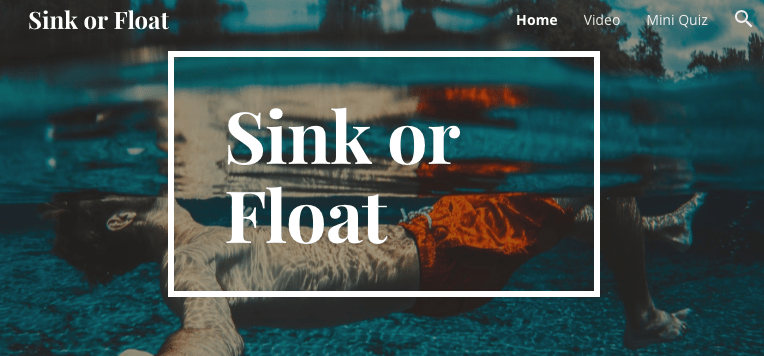
This website is designed for a kindergarten class to teach a simple basic science lesson on density, sinking and floating. This would be a part of a bigger unit lesson that meets the health and sciences standards. This website includes a fun video for students to learn why objects sink or float. A simple quiz to ensure they’re understanding and some fun resources at the end!

Sunflowers!!

Authors: Alexis Henderson & Kali Tagomori-Lai

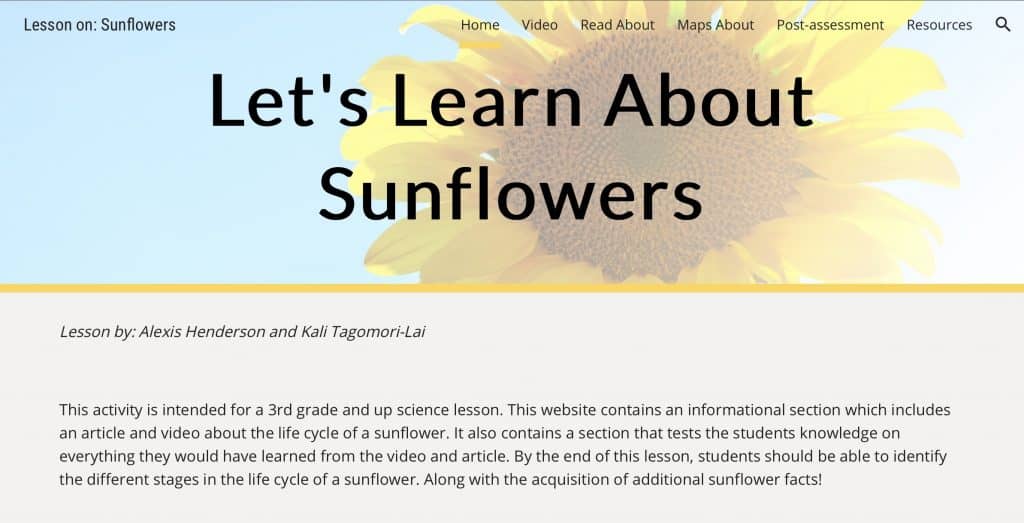
This activity is intended for a 3rd grade and up science lesson. This website contains an informational section which includes an article and video about the life cycle of a sunflower. It also contains a section that tests the students knowledge on everything they would have learned from the video and article. By the end of this lesson, students should be able to identify the different stages in the life cycle of a sunflower. Along with the acquisition of additional sunflower facts! 

The water cycle: four main stages

This lesson was created for second to third grade students who are studying the water cycle in science. Students and teachers can use this quiz as a part of a bigger unit, or as a check in. This lesson can also be used after instruction as an exit ticket, or as a formative assessment at the end of a mini unit.

Students can take this quiz using individual iPads, laptops, or desktop computers. The intent of this lesson or google form is to measure students’ progress and knowledge about the water cycle after having prior instruction and academic activities for understanding. Students should have an understanding of the water cycle and why certain phases occur. The google form will help the teacher achieve the intent of the lesson due to the collection of data that will occur based on students’ scores. The teacher can then use the data when creating following lessons to better instruct students.

Cover Photo credit: Brian Cook @briancook5