Time to put your PEMDAS skills to the test!
PEMDAS QUIZ

The art and craft of teaching with technology
Time to put your PEMDAS skills to the test!
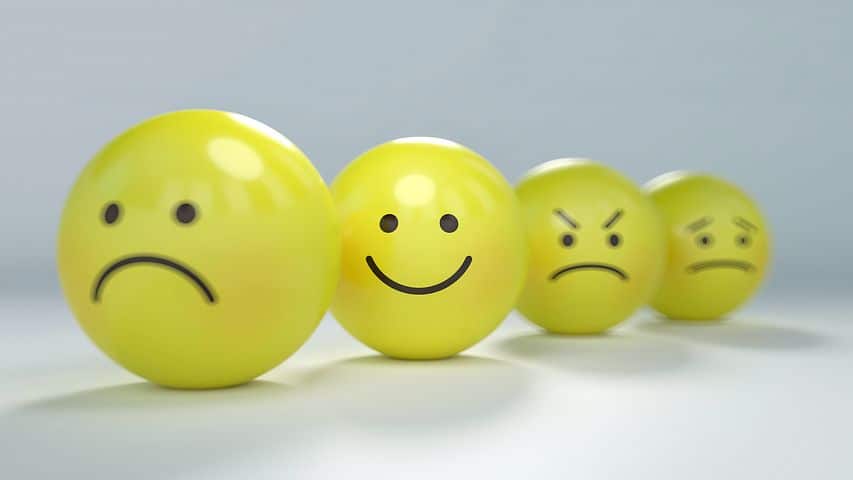
This is a interactive Google Slides quiz about how colors correspond with feelings. This quiz is for kindergarten through first grade and will be used to test the students on their knowledge of the different colors and which of those colors go with what emotion. Students will be given a scenario about how a classmate is feeling and will have to choose the correct color for each classmate’s emotion.
Featured Image by Gino Crescoli on Pixabay

This is an interactive Google Slides quiz about the Portland Bridges. The Portland Public School curriculum requires that third grade students have a unit on bridges in Portland. I created this interactive quiz in order to let my students review their bridges while using technology. My hope is that my students will be able to work in groups to create their own interactive Google Slides quiz or game for the bridge unit at some point once they have the logistics figured out!
by Liz Frick, Josie Matz, Ellie Cordova
Polygon Practice with color sheets. For this activity, students will be practicing their knowledge of the shapes vocabulary by creating a color coded mosaic based on shapes and polygons. Students will have to pick a shape name, for example a pentagon, and chose the color to fill in all the pentagons in the following mosaic. This activity is intended for middle school students, but can be altered to other grade levels depend on what shapes are included.

Authors: Kali Tagomori-Lai & Alexis Henderson
For this lesson, students will practice telling time by using their knowledge of clocks in order to tell time on different style clocks. By connecting the times to the class schedule students are able to find meaning in the assignment as it is relevant to their day to day schedule. *intended for grades 2-3
Photos source: google copyright free

Authors: Chloe Mar and Braelyn Higdon
This lesson is for second grade students. This could be used as an activity with students in partners, as a warm up activity, or informal assessment to see where the students are at. The goal of this lesson is to show that the students can identify simple fractions in real life. Students will use flags to investigate the prompts on each slide.
Picture Source: Jason Leung
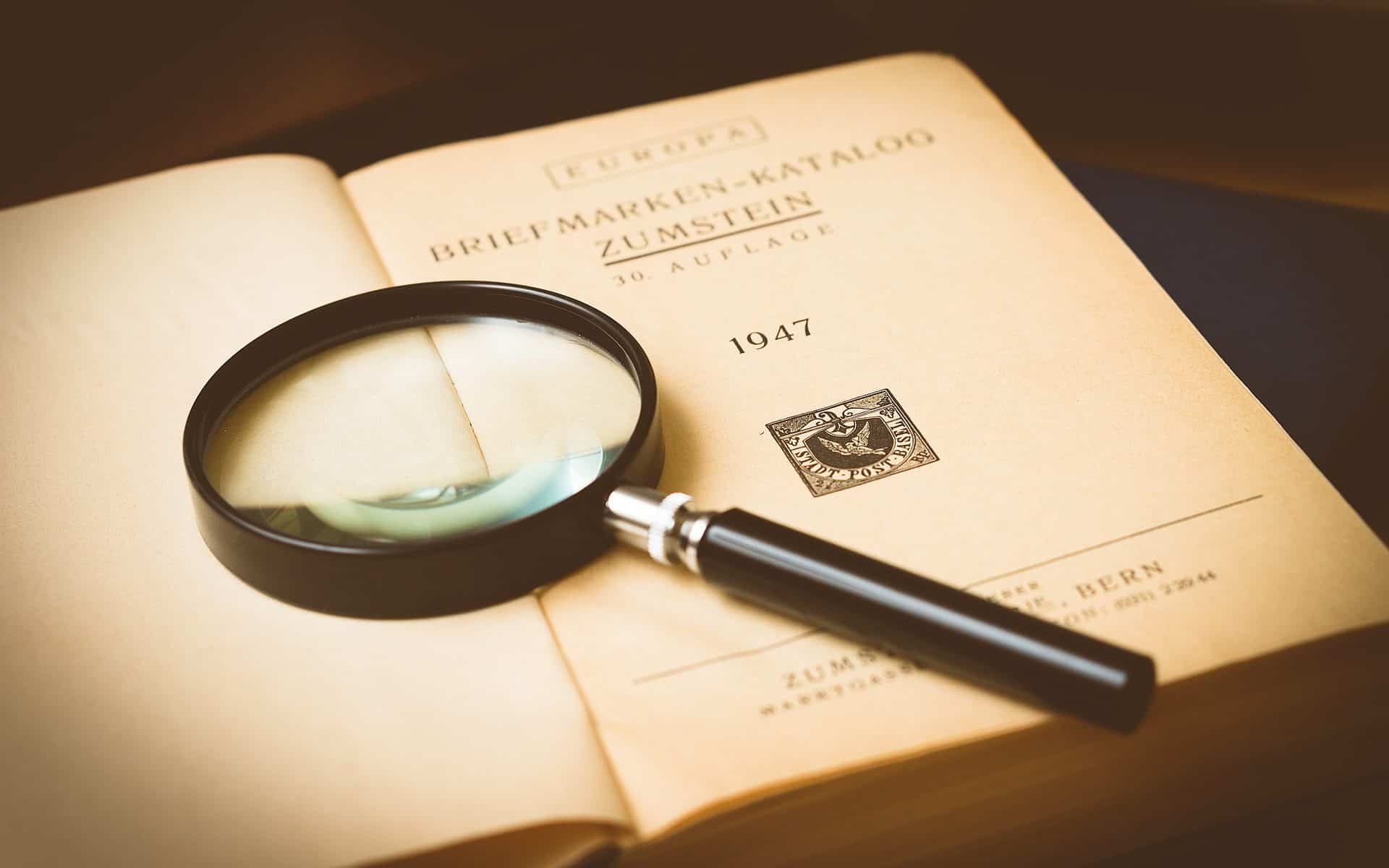
By Anna Wanner and Claire Nelson
This lesson is designed for students in grades 3-5 to help them practice making inferences. The lesson puts the students in the role of a detective on the hunt for clues to solve a mystery. The students are able to go with their initial inference and explore further, while also giving them the option to change their mind when they gather more information. These slides are designed to encourage the students to infer and alter those inferences as they gather new information. This could be done as a whole group lesson, as a station in learning centers, or even individually if every student had access to a personal device.
Featured Image by Arek Socha from Pixabay

These slides are intended for young students aged Pre-K through 2nd grade. Some children may need help reading the questions and answers, but should be able to click on the choices on their own. The goal of this activity is for students to practice making kind choices in common scenarios. By choosing the option that a good friend would choose, students are able to move on to the next question. By choosing the option that may result in more harm than good, students will have to try the question again. I would either have the adults of the house sit with the child at the begging of the school year or during a particularly rough patch and go through this at home, or have the whole class on computers/tablets and go through the choices together, explaining further why one is right and one is wrong.
Featured Image: friendship by Nithinan Tatah from the Noun Project

In science there are a bunch of different physical activities that make something change. The end result of these changes are called effects. One type of effect is called erosion. Erosion is the physical process in the surface of the earth is worn away through some type of physical change. Today we are going to be making guess as to is doing the eroding and what is being eroded.
In the next series of pictures, I want you to hypothesize (take an educated guess) of what is doing the eroding, what is being eroded, and why might erosion be happening?
Things to keep in mind while analyzing the pictures:


Image Sources
Horse Shoe Bend by KeYang
Atoll by Ishan



These images will be used in a word association activity. I will project the images on the screen and have students write the first 1-3 words that the image makes them think of. Following the activity, we will have pair discussions that focus on these questions:
Following these discussions, we will have a whole class discussion talking about students’ responses and moving toward the question of “what shapes our perspectives?” The goal of this lesson is to build an understanding that multiple factors (such as our past experiences) shape our perspective of the world and that, oftentimes, our perspective varies from that of our classmates. Most importantly, we will address that while our perspectives vary we need to respect the perspectives of our peers even if we disagree.
Image sources:
Bird in the sky photo: Photo by Antonio Gabola on Unsplash
telescope with city: Photo by Kieran Manion on Unsplash
modern abstract: Image by Michael Gaida from Pixabay
featured photo: Photo by Saketh Garuda on Unsplash

This lesson would be mainly used for younger elementary students that could coincide with other grammar components. Using these examples you will have a basic understanding of what a noun is!


A noun can be a thing! A desk is a thing! Can you think of an example?
Image Sources:
Photo by Daniil Lobachev on Unsplash

In this lesson students will explore the effects of deforestation. Students will observe and answer posed questions as the teacher and class discuss and point out observations in images shown below. As questions are posed, students may be directed to turn and talk to discuss their answers with a partner.
Guiding Questions:
What changes do you see as you look at the first picture and the second picture?
What might happen to a forest when all the trees have been cut down?
What do you think the birds are doing? What about other animals who live in the forest?


Featured Photo, Leafless Trees by Massimo Rivenci
