Use your imagination! For your assignment, you will look at the images and pick one that stands out to you. You will use the image to prompt a story and practice your writing! After you have finished your story, you will share it with a peer.
Option 1Option 2Option 3
Guiding Questions
What about the image stands out to you?
What events may have occurred before or after this image was captured?
For this assignment, students will analyze and describe visual character traits that a specific image has. Students will also hypothesize what a character’s personality may be like depending on their body language, facial expression, and the setting they are in. This activity is best suited for elementary or primary grades K-5 to build character description skills.
Directions: Describe the physical characteristics of each character(s) in the images. Then, hypothesize what the characters are feeling and describe why. Give a scenario as to why a person i feeling sad or why they are excited! Be creative, but sensible!
This lesson is about finding 2D shapes (squares, triangles, circles, parallelograms, etc) in 3D buildings in our world! This lesson is created for 7th grade students studying 2D and 3D shapes.
How many different 2D shapes can you find in the buildings below?
In this activity, students will identify modes of transportation. They will then select which mode of transportation that they would like to try and where they might go. They will illustrate their mode of transportation of their choosing. We will discuss more than these three modes of transportation.
Option 1: Cruise Ship/ BoarOption 2: HelicopterOption 3: Bus
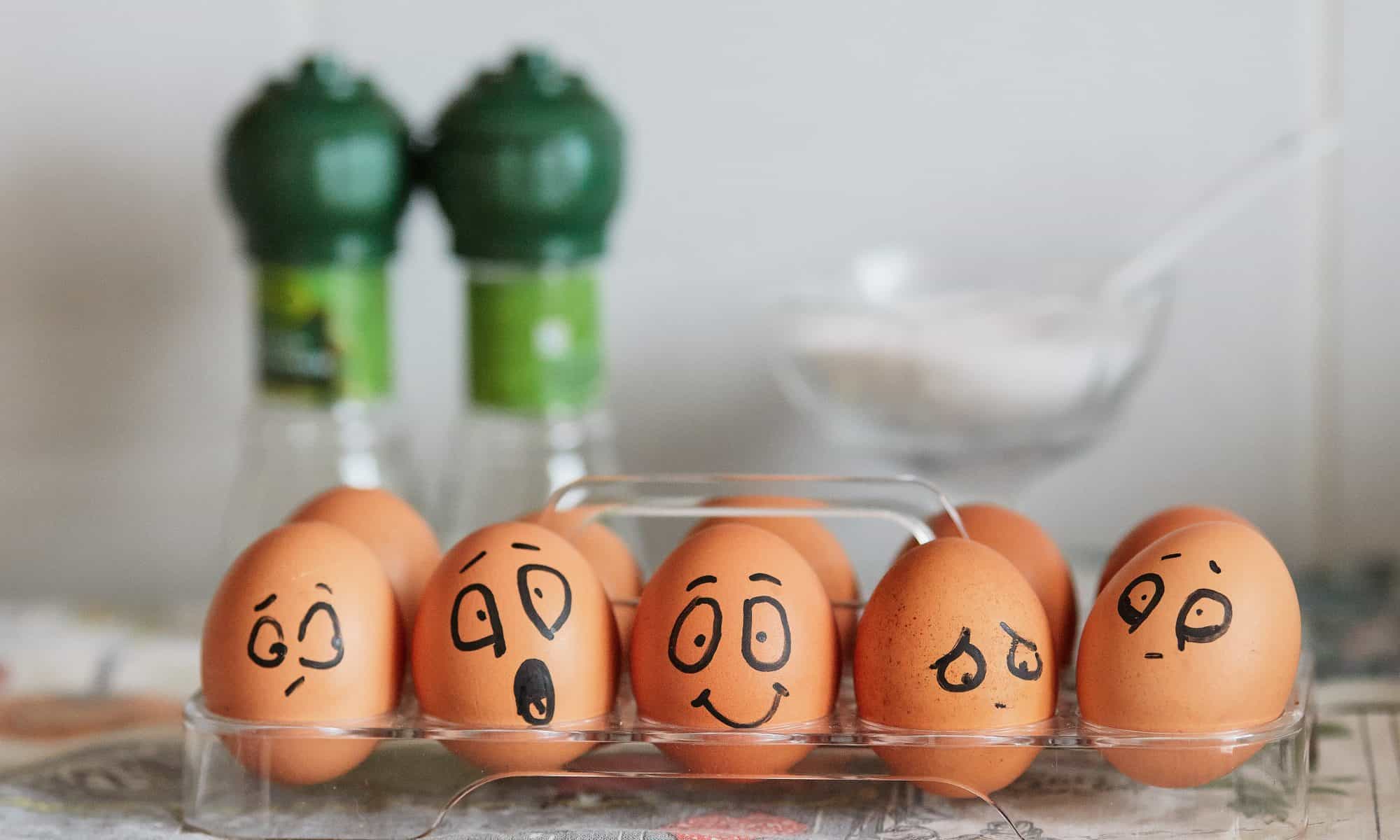
This activity is designed to help students learn more about how we can tell what others are feeling based on their facial expressions. That sometimes when people don’t verbally express how they are feeling, you can use clues from their face and body to gain information. As a class we will analyze three pictures of different facial expressions and the different aspects of their facial features that inform us as to why we think they feel that way.
Prompting Questions:
How does their mouth look? How do their eyebrows look? Does their forehead have wrinkles?
How does the little girl feel? What facial cues can we use? How does this little boy feel? What body clues can we use to tell how she is feeling?
This science lesson could be great for students in younger grades (K-1) to discuss things that grow! The goal is to help students understand the process of growth, and the order in which growth occurs. Students will see the three images below in the order that they are presented here. The students will then be required to order the images, telling the teacher as a class which image comes first in the growth process, which comes second, and which comes third. The teacher then will reorder the images so that they are in the correct growth order (seed, sprout, flower).
Ideally, this learning activity would be paired with giving students the chance to grow their own flower or plant, so that they would be able to see the way in which their growth looked compared to the images they sequenced as a class: they could ask themselves, where in the growth process is my flower – am I in stage 1, stage 2, or stage 3?
This activity, while integral in understanding growth as a process, is also a great opportunity for the students to practice sequencing, which is a reading comprehension skill. The integration of a literacy skill within a science lesson, will help to create a cohesive learning environment.
Image Sources:
Seed Image / Found via pixabay with author niebieskibanan
Sprout Image / Found via pixabay with author Tuan86
This mini lesson would be mainly used at the elementary level, primarily in lower grades. Using these images students will be able to identify what type of weather they see. I will using guiding questions to have them make various decisions with different situations for each weather type.
Would it be smart to bring a raincoat in this weather?
In my public domain search I found three pictures of different insects that can be found locally. I would lead kindergarten students in a “close reading” of the images in a whole class setting before we read a story on different bugs in order to activate prior knowledge. My guiding questions would include:
How are these bugs similar? How are they different?
Have you ever seen any of these bugs in person?
What kind of food do you think these insects eat?
Can you think of any ways that these insects can help each other?
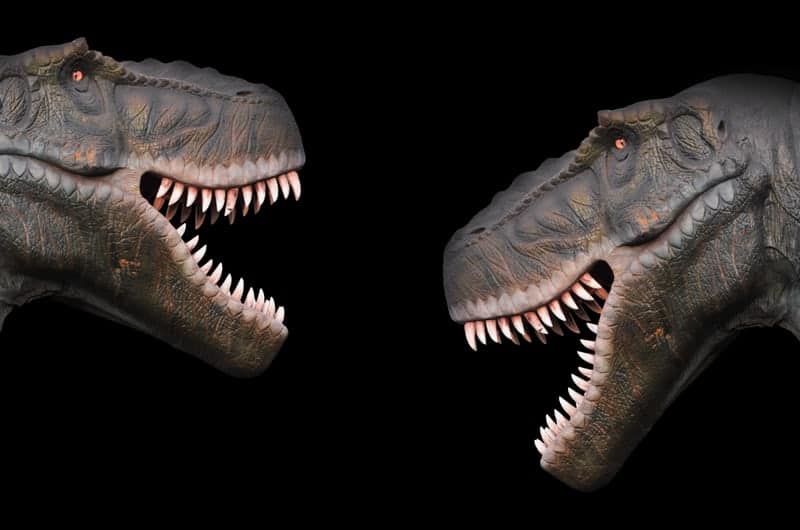
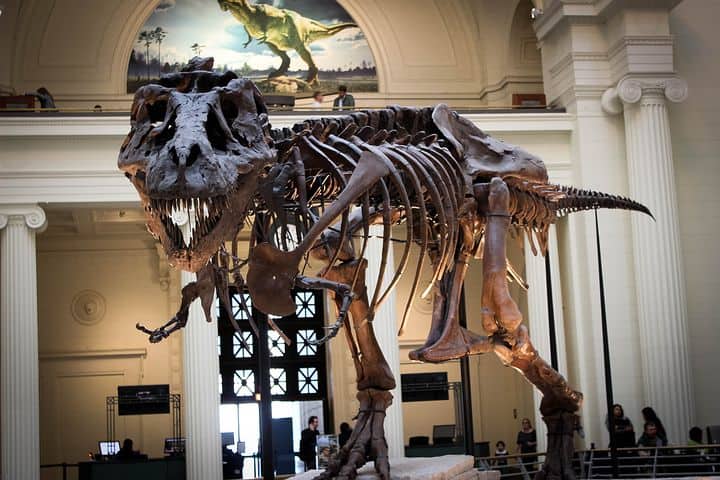
The preschoolers I work with have a newfound obsession with dinosaurs! It is a great opportunity to learn about creatures that lay eggs as well as how human bodies are different from other animals. Some questions for discussion are captioned below the photos:
What other creatures do you know that lay eggs and makes nests?How tall do you think these dinosaurs are? Will you ever grow to be that tall?How are dinosaurs’ bodies different from our bodies?
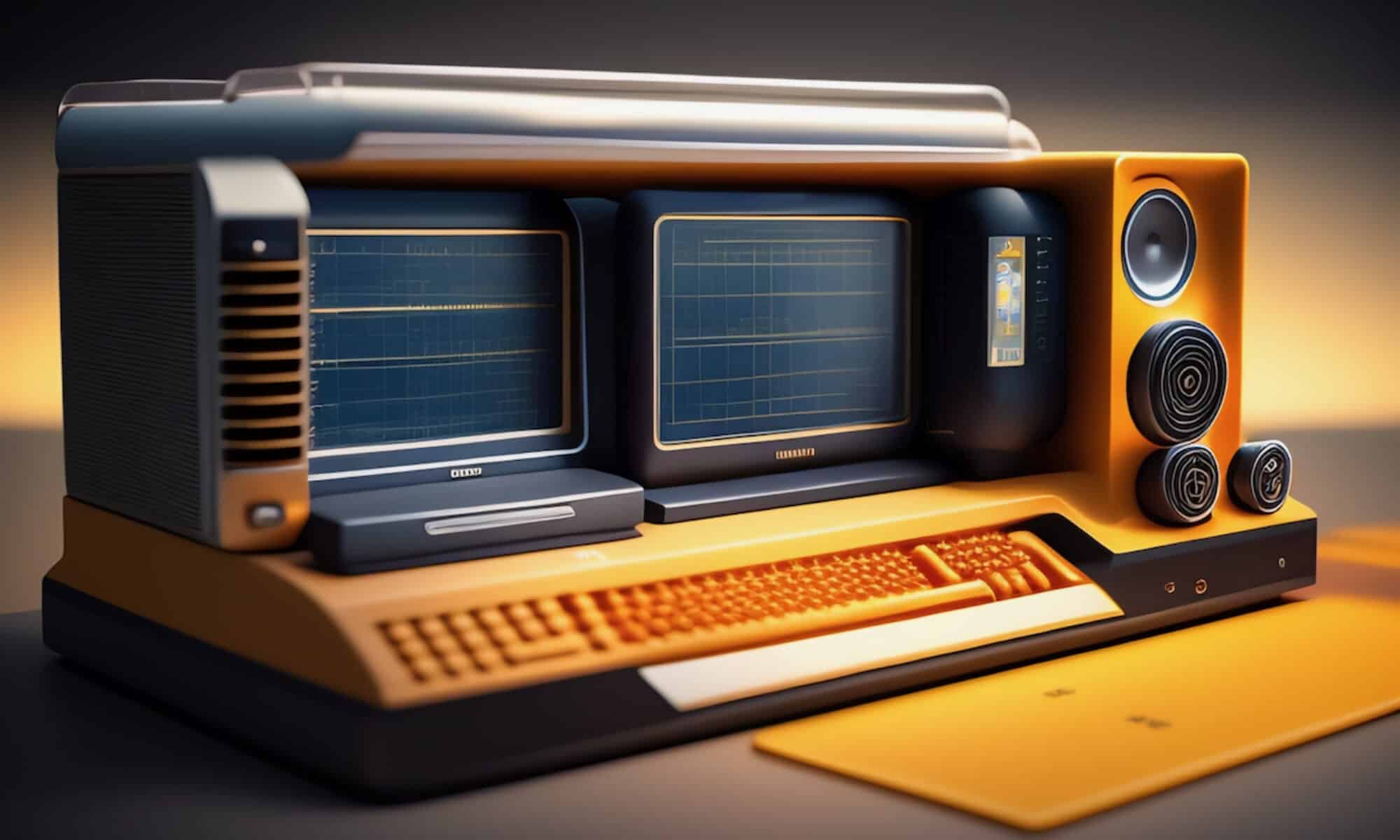
Hello Class. I hope you enjoy my meme. I’m looking forward to the many new technology tools that will be taught in this course. As a teacher it is important to use technology as a tool in the classroom. There are many useful tools in technology that were created for students and teaching and learning specifically. Technology is a great tool to engage students in lessons, allow student collaboration on work and projects, access to a wide variety of educational tools, resources, programs and many other forms of education enrichment.
Teachers can be reluctant to try new tech, but I am determined to break this cycle! While I will probably experience all of these emotions, I hope to learn some cool things.
Technology is a wonderful tool to use in the classroom. Especially in today’s society, I think the use of technology is essential. However, incorporating technology comes with the possibility of technical difficulties. The wifi could be slow, the computer could crash, there could be a blackout, etc. In any of these situations, you don’t want to find yourself with 25 kids and alternate activity. Which is why it’s so important to always have a back-up plan. Or in this case a back-up meme.