Learning Activity 1: Reviewing Economic Vocab Words
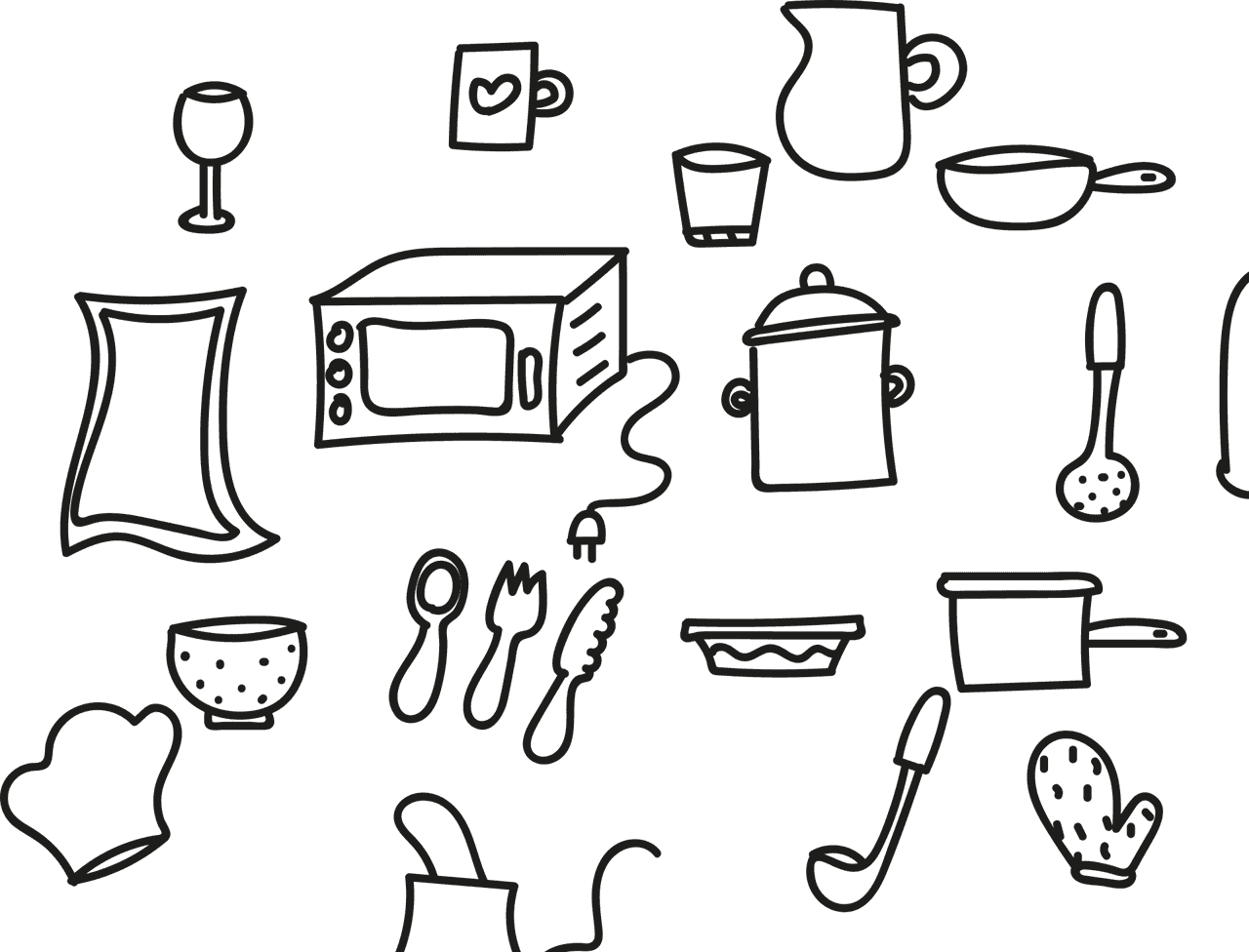
Lesson Context: This activity is designed for a 10th grade Economics course. It is a review of the previous lesson, which described several vocabulary words relating to the process of production, distribution, and consumption. During a discussion at the start of class, students will be show the images and asked to first explain which concept they believe it is describing and then why they believe it represents that term.
Learning Activity 2: Comparing and Contrasting States’ Population and Income
Lesson Context: This activity is also for a 10th grade Economics course. This activity is designed to show students the correlation between GDP and population. This would be shown in class as a discussion prompt. To aid their observations of the maps, students will answer questions such as:
What are some factors that might affect a state’s GDP?
Which states have high populations yet low GDP?
What is the correlation between population and GDP?
Hi third graders! Today, we are going to develop a deeper understanding of how our emotions work. What are some of the most common emotions? What causes them? What is our body trying to tell us? Are there ways to recognize these feelings in others and help them cope? Are these emotions bad? How can we find ways to control them, instead of letting them control us?
Take some time to relax in the Calming Corner if your happy jitters are too distracting to you or your classmates. Dance to get some energy out!
Sadness
Tearful, quiet, heavy,
Talk to a friend/ teacher/ parent, write out your feelings, make some art, read poetry, etc.
Anger
Tense, frustrated, clenched muscles
Draw a picture of how you feel, relax your muscles, listen to music, vent to a trusted adult
Fear
On edge, anxious, concerned, rapid thoughts,
Take a step back from the situation or activity that is causing stress. Ask yourself what is making you stressed, and problem-solve how to make it a more enjoyable and stress-free time
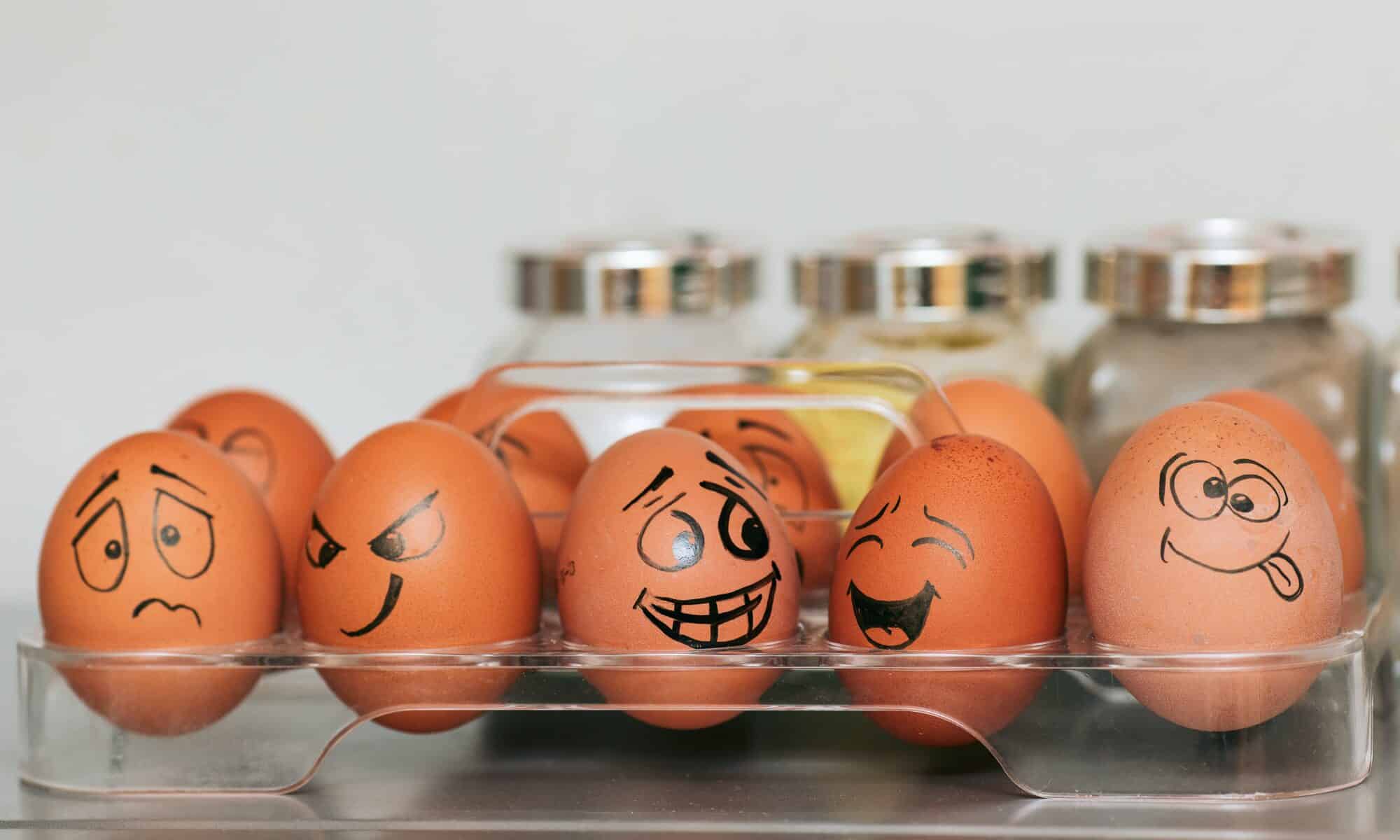
How might the people in the above pictures be feeling? Happy? Scared? Worried? Angry? Grumpy? Upset? Silly? Confused? Sad?
How can we tell? What signs are being given through their facial expressions, body language, posture, and eyes?
Does your body react the same when you are feeling like the people above?
Where do YOU feel?
Photo Credit: Drawn by Rachel Carbary using Zoom Whiteboard Feature
We are going to take some time as a class to draw our own Gingerbread person! Do some reflecting to think about where in your body YOU feel different emotions? Does your tummy hurt? Do you have a headache? Are your cheeks sore from smiling so much? Are your muscles tense?
This lesson is designed for elementary and middle school students to build a better understanding of what recycling means and the importance of it.
Questions to ask before the lesson:
Do your families recycle?
What are some items we recycle?
Why is recycling important?
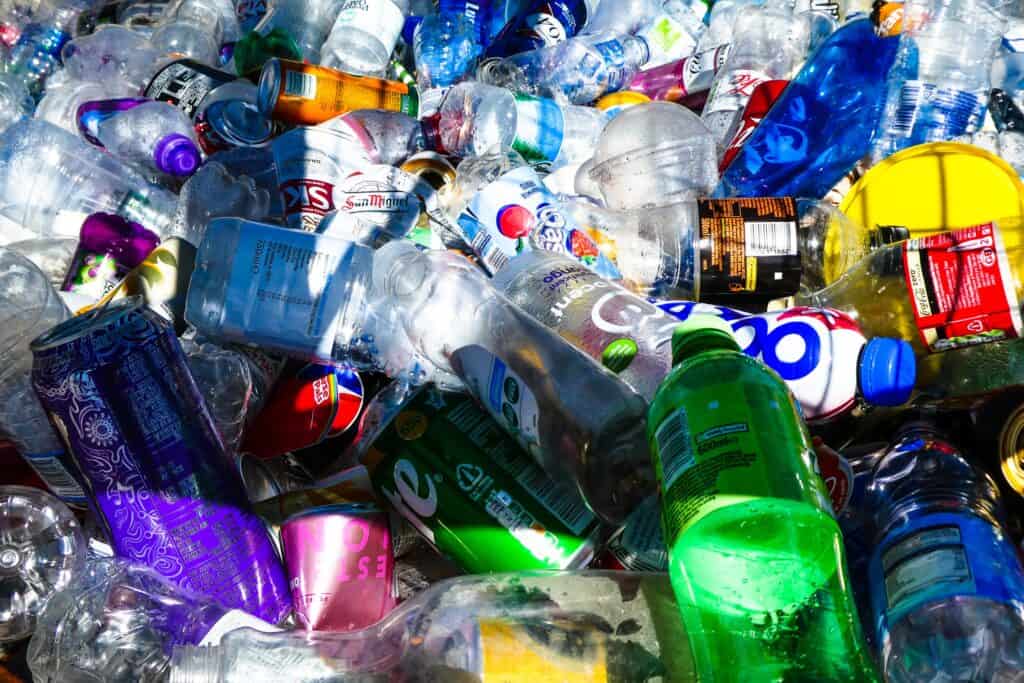
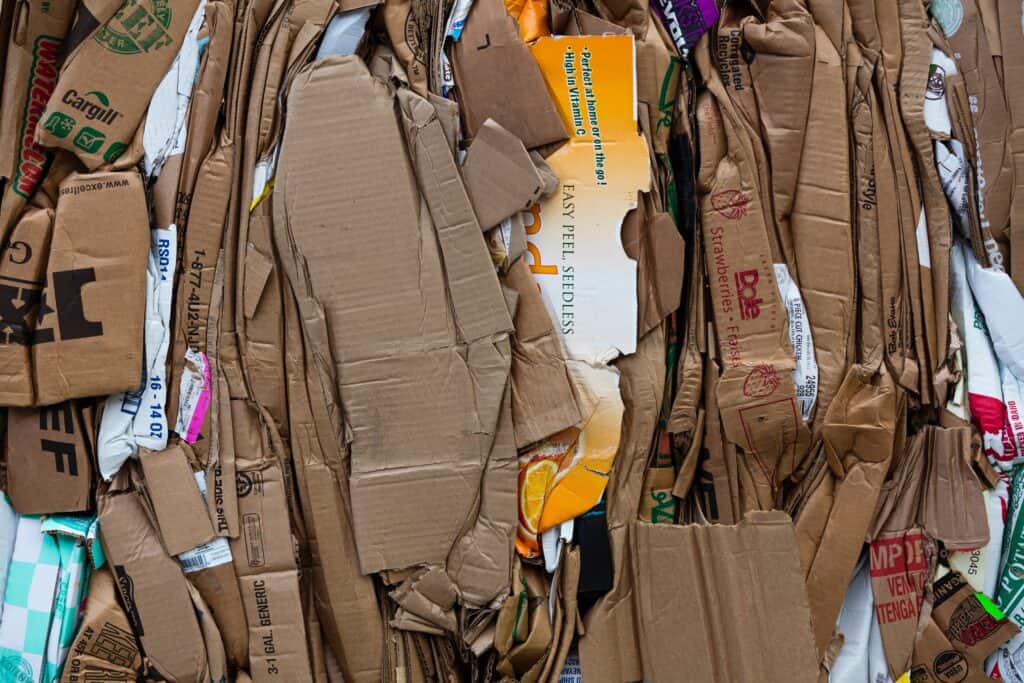
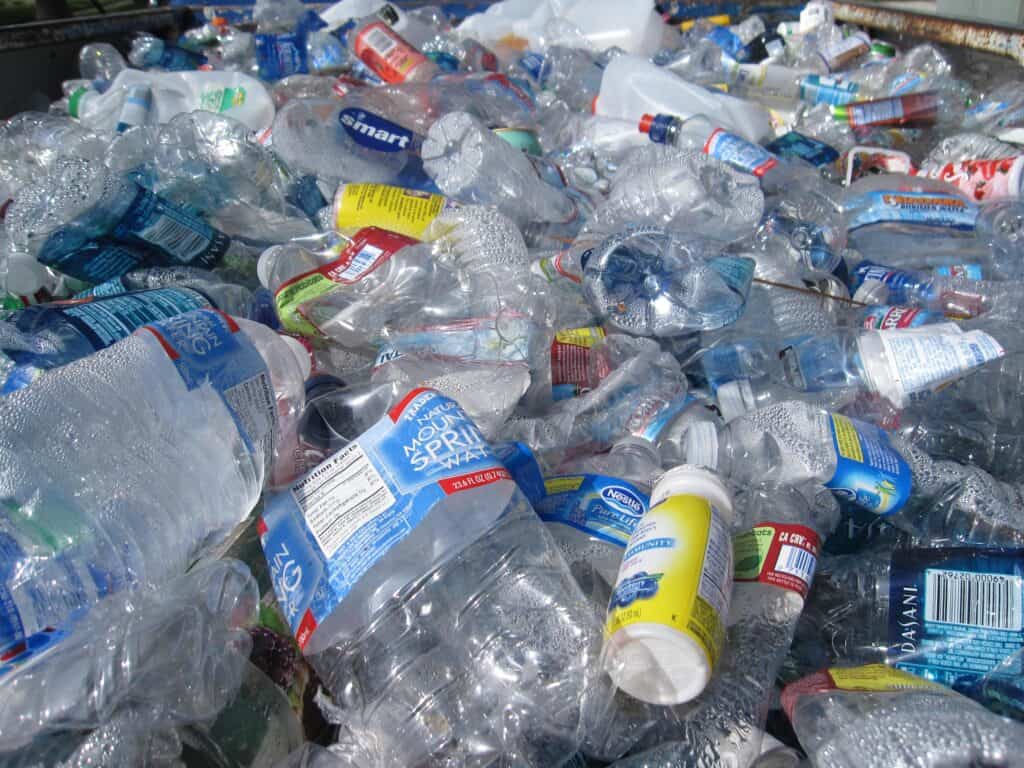
Recycling is the process of turning waste into a reusable material. The main purpose of recycling is to reduce the amount of waste being put back into the environment. It can take over 450 years for plastic to completely decompose which means we will be living with it for a long time. That means we need to make sure that plastic is properly disposed of or reused to limit the amount of plastic going into ecosystems like the ocean.
Items That Can Be Recycled….
Cardboard and Paper
Plastic Bottles and Containers
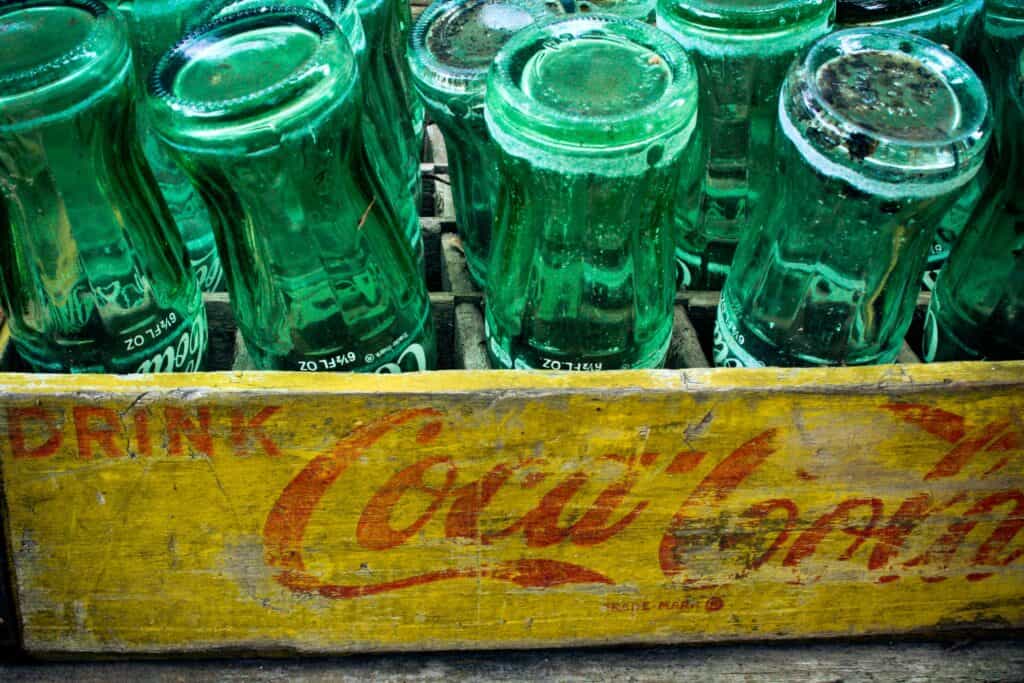
Glass Bottles and Cans
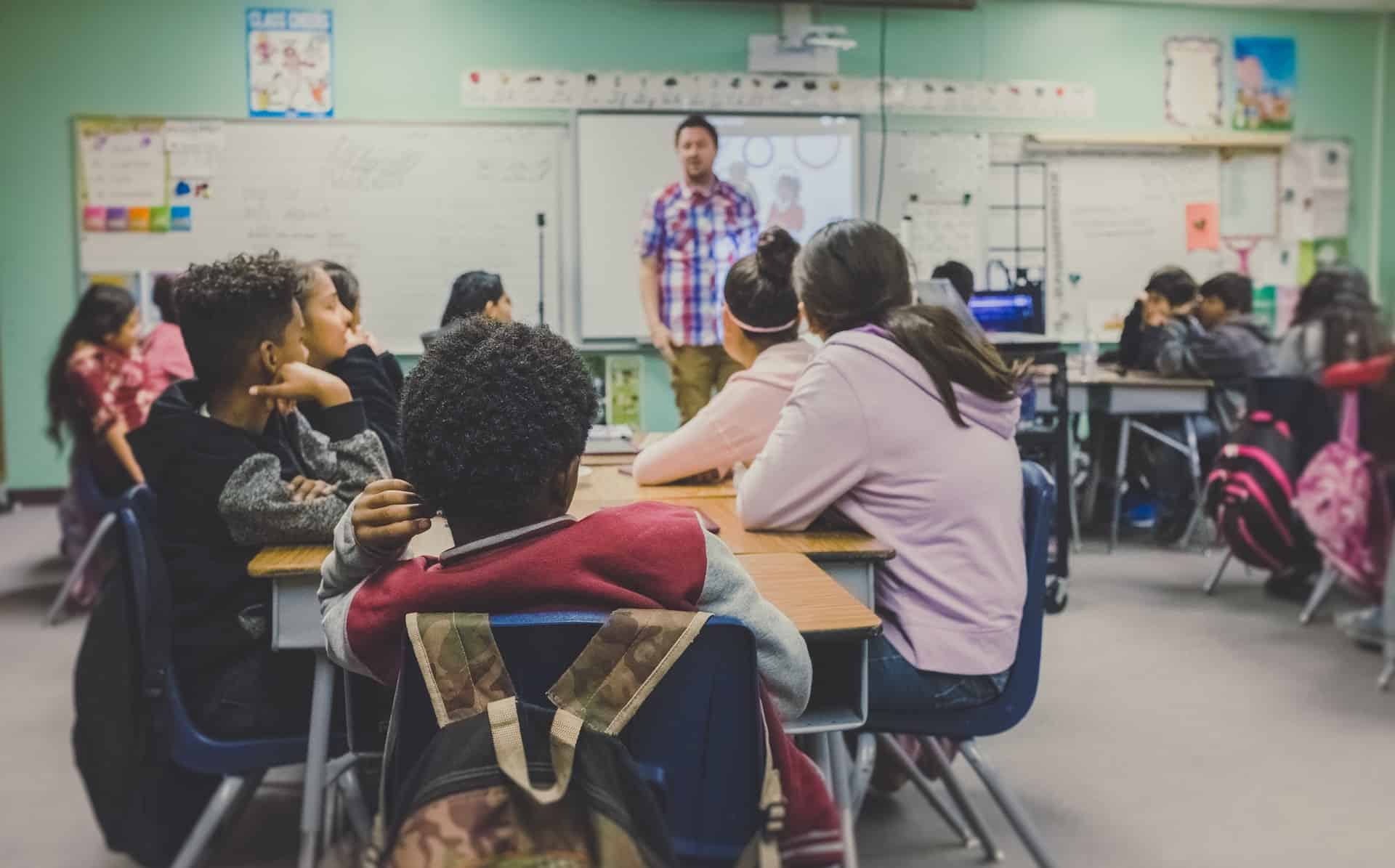
Bring the classroom environment into the conversation: what in the classroom can be recycled? Instead of throwing things in the classroom away, can the items be reused?
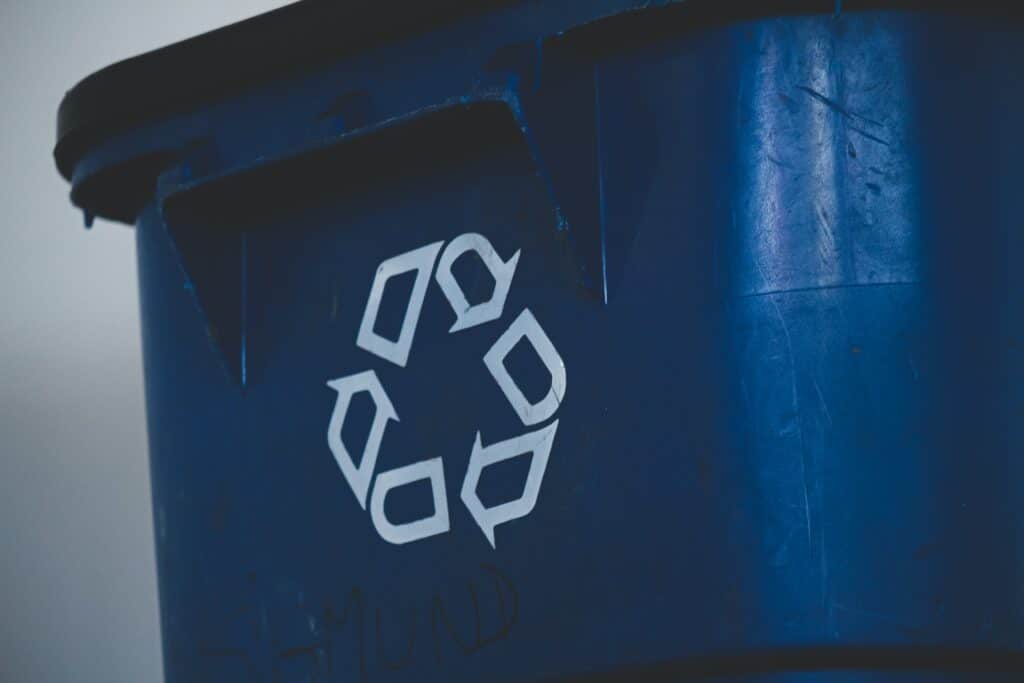
What’s an easy way to see if something is recyclable?
This is the most common sign of recycling. Most recyclable items have this symbol on the packaging, and garbage cans with this symbol are where you can place your recyclables..
Questions to ask students:
Do you think our school/classroom could do better with recycling? How could we improve?
What are ways you might recycle certain items? How might you reuse a glass bottle or a cardboard box?
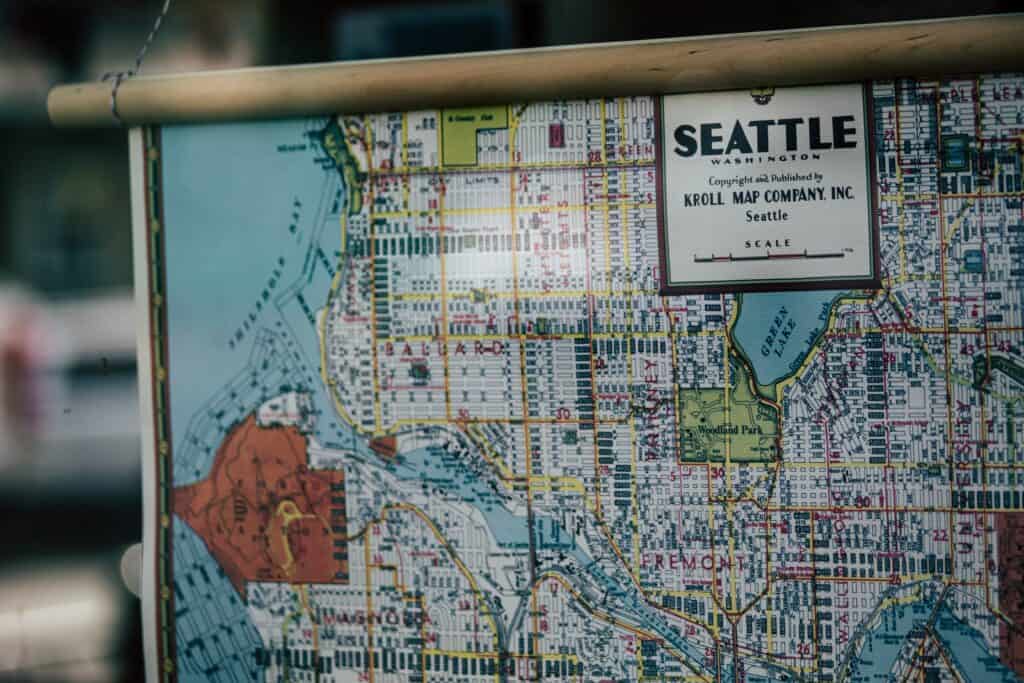
Cartography Lesson
This lesson is designed for middle school history and/or geography students to build an understanding of maps and to help students read maps for future lessons.
Questions to ask before lesson:
What are common things we see on a map?
What can maps be used for?
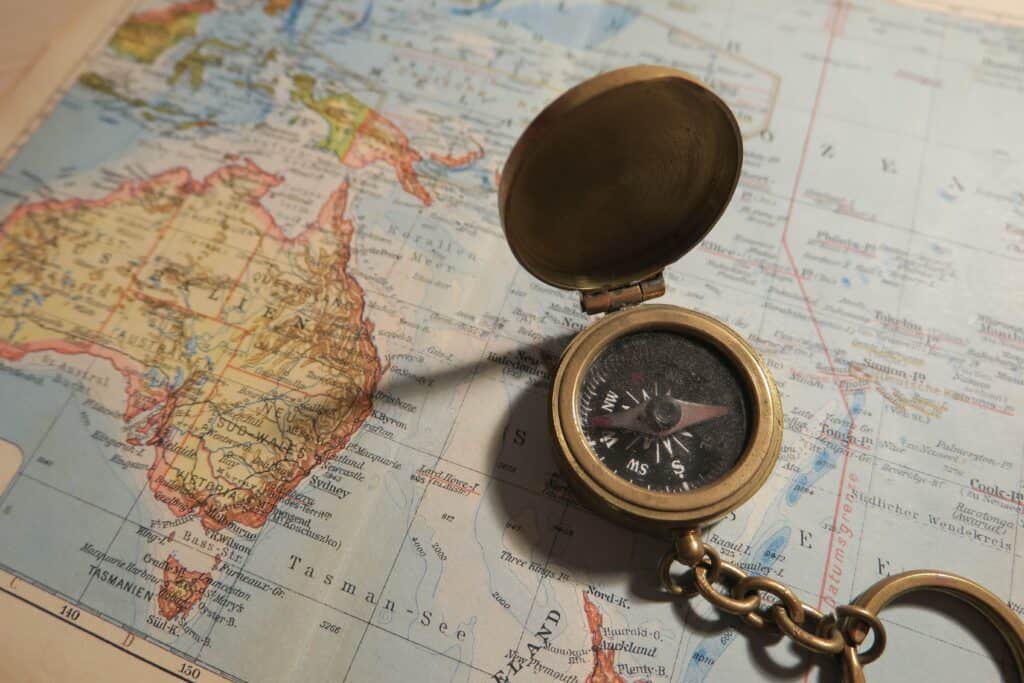
Where is North, South, East and West?
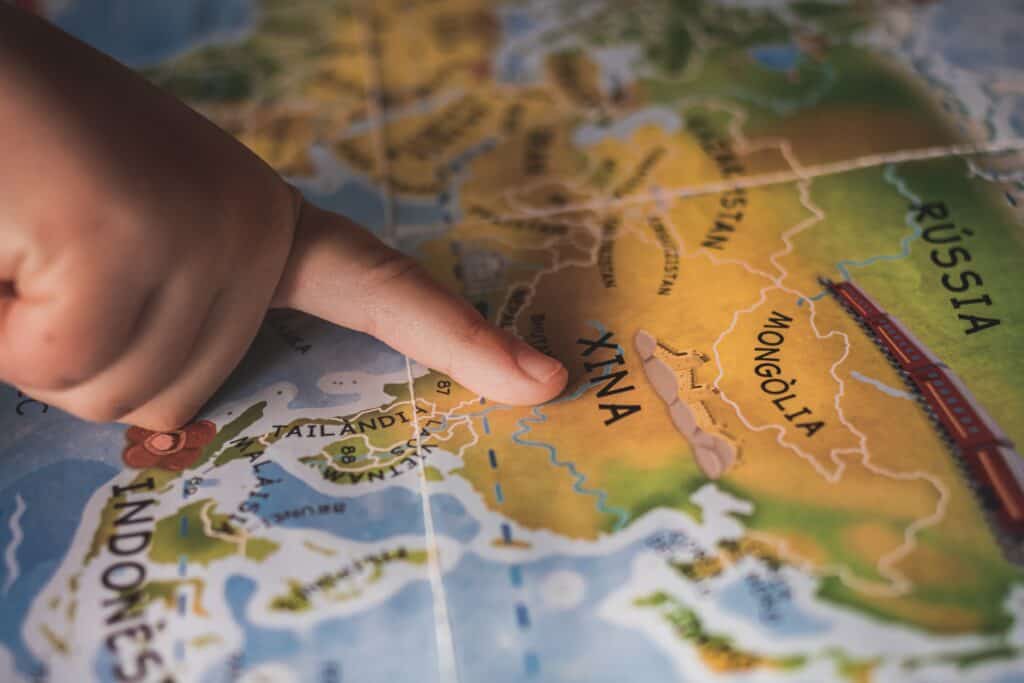
Cartography is the study of map making or the practice of map drawing. Maps are very useful tools. They can show us where we are; they can show us where we want to go, and they can show us places we have never been to. Maps are very useful for us to see where we are in relation to others or other countries.
Most maps need to have….
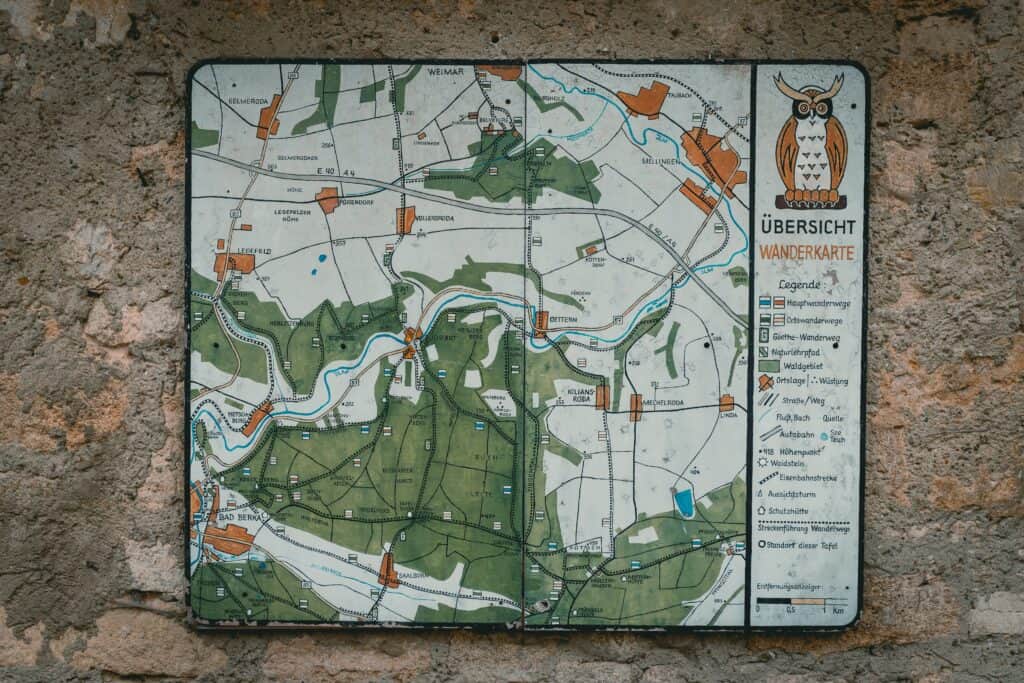
A Key or Legend to tell us what symbols on a map mean.
A scale and grids to show size and placement.
A compass to indicate direction.
A title!
Activity: Have students try and draw a map of their school, classroom, or community using the basics most maps have (listed above).
A bigger project could be students creating their own countries by mapping it out using the basics most maps have (listed above).
Questions to ask students:
How are maps on our phones different from maps on paper? Do we see the same things on these two types of maps?
How might a map show mountains, plateaus or other elevated surfaces on a landscape?
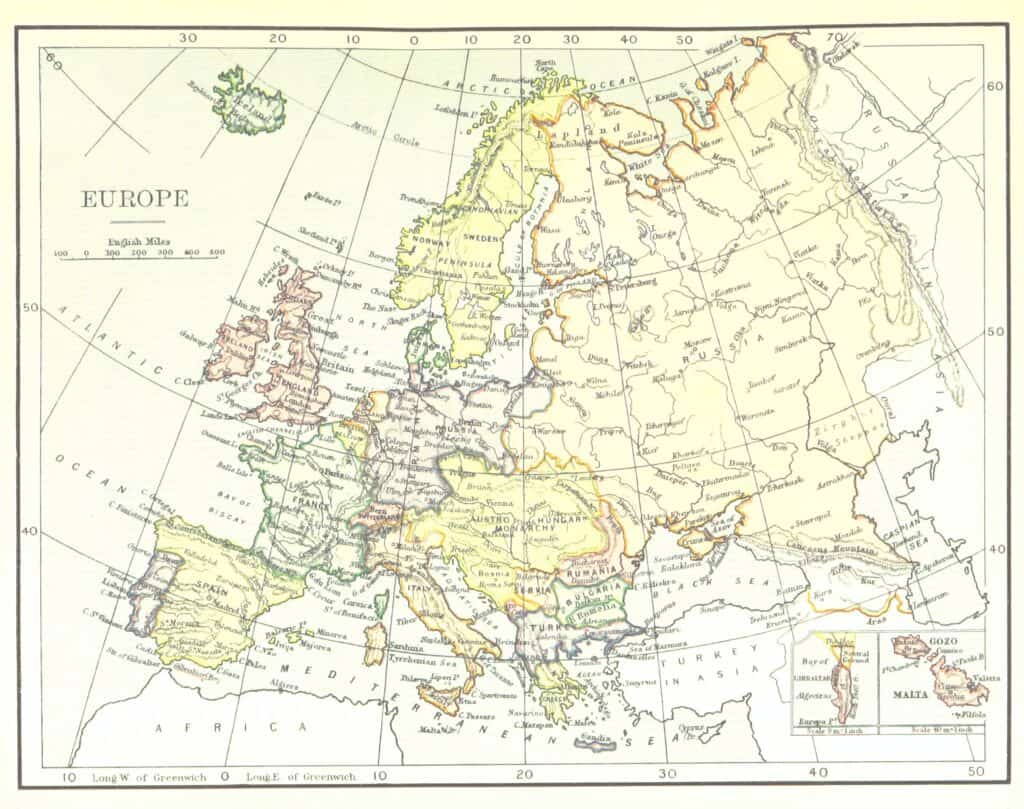
Do you think maps can go out of date? Why or why not?