Starfall Tutorial

Starfall is a fun phonics and reading website that is great to use with kindergarteners. They can practice sounding out certain letters and sounds, as well as work on reading skills. There are a variety of things for students to read, such as short stories, tongue-twisters, and poetry. This tutorial is for parents to learn how to navigate Starfall so that their child can get more practice, or just read for fun at home.

Khan Academy Tutorial

Khan Academy is an online resource that provides videos, practice problems, and quizzes for students. This is a great website for parents to use in order to better support their child with homework.  Parents can watch a video to revisit  fractions, or learn with their child and go through online practice problems together. Khan Academy provides support for all grade levels in a variety of subjects, and offers parents a great opportunity to prioritize education while  spending time with their child. I have included a brief tutorial below to help parents get started!

My Lesson on Pollination

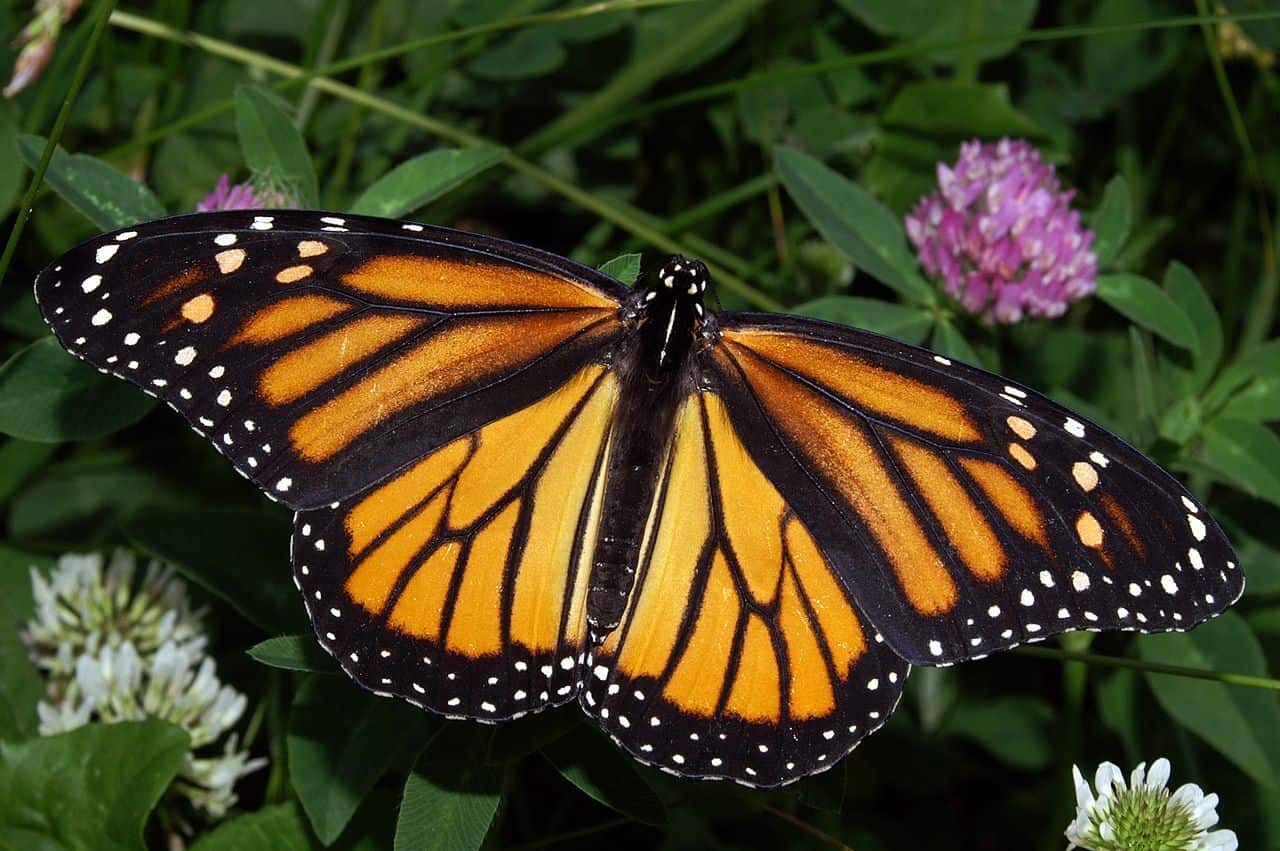
I am going to teach a unit to second graders on pollination. According to pollinator.org, “pollination occurs when pollen is moved within flowers or carried from flower to flower by pollinating animals such as birds, bees, bats, butterflies, moths, beetles, or other animals, or by the wind.” The brightly-colored petals and sweet scent of flowers attracts bees. An insect drinks the nectar from the plant, and in the process, pollen sticks to the bees. Then, the pollen is spread through either the wind, or the pollen spreading to other flowers. The bee drinks until he is full, and then passes the pollen to other bees around him. Then, the bee brings the honey to the hive. Eventually, the honey gets stored in the honeycomb. Each of my three images will feature a bee, hummingbird, and butterfly.


Essential Questions:

  • What do hummingbirds, bees, and butterflies have in common?
  • What are some qualities of pollinators?

This slideshow requires JavaScript.


Sources:

Photo of Bee

Butterfly

moth

Tech Savvy Teachers and Flexibility

If we’ve learned nothing over the course of our field experiences, it’s that no matter how well planned a lesson is or how airtight an activity might seem, there will always be some things that do not go according to plan. Students might take an extra ten minutes to finish an activity, all of your markers could run out of ink, student drama could interrupt the class, and so on. Teachers must learn to be able to work around these random events in order to assure their students steady progression.

This is perhaps even more so the case for teachers who have adapted newer technology into their teaching methods. The inclusion of these tools introduces a million new things that could go wrong – your laptop’s charger could get damaged, the wifi might go down, or your projector bulb could burn out, for example. For these teachers, flexibility becomes a key component of classroom planning in order to not only assure a smooth and informative lesson, but to avoid complete derailment of the class.

Community Lesson

Community is key to a school and classroom. My lesson is centered around getting the students to talk about what community means to them and what they think our classroom community should look like. Since we are born, we are in a community with our family, our neighborhood, our culture all form part of the community we grow up in. When we enter school we are expected to form another community, a school and a classroom community. I want to take what my students value about community along with what the school values and create a strong classroom community where students feel excited to be part of the community.

Guided questions:

1.  What do you think is important to consider in creating community?

2. Why do you think it is important to create a classroom/school community?

3. What do you think community in the classroom looks like?

This slideshow requires JavaScript.

Family by Kat Grigg

Community by Ron Mader

School parade by Joe Piette

Marine Biologists

This slideshow requires JavaScript.

My lesson would involve having students use previously learned vocabulary terms about the ocean to determine what all of these photos have in common. Students could then do a report on one of the above sea creatures.

Guiding Questions:

What similarities do you see in these pictures?

What new vocabulary words could you use to describe these images?

What is the main theme of all of these images?


Sources:

Shark- Allan Lee

Fish- gorfor

Whale Watching- Indi Samarajiva

Peek a Book

“Peek a Book” is a play on words of the commonly known game peek a boo. This title is specifically chosen because the goal of this lesson is to give a sneak peek of  my favorite book through three images. I want my students to see that I am a teacher who models a love of reading and encourages my students to read books they enjoy. In the gallery, you will notice a series of images – a diary, a backpack, and a child.  After a few guesses from my students, I will reveal the title of the work, tell them why this is my favorite book, and explain the images presented.

These three, simple images, tell a great story and are meant to explicitly clue my class into the book I have chosen. This in particular represents the classic “Diary of  A Wimpy Kid”. While I am an adult, I personally enjoyed this book because it was funny, relatable, and unique. I could relate to wanting to fit in like Greg, or feel tempted to ignore my morals like Rowley. This gallery shows three images which clearly represent the book. The kid is Greg Heffley, the main character, the book is the diary, and the backpack is meant to present his young age.

My students would see this example and then would be given the assignment to choose three images that represent their favorite book. It can be any story they like as long as they carefully choose pictures that respectfully portray their book. Students can choose stories they are passionate about and learn about finding appropriate images online. Pictures tell great stories and can be excellent sneak peeks into books they want their classmates to read.

Guiding Questions

1) Why do you think I chose these particular images to represent the book?

2) What book would you choose and why?

3) What images would you show and why?

This slideshow requires JavaScript.

Lesson on Emotions

My activity can be utilized in a Social Studies or Health lesson. In my public domain search, I located three images of children expressing different emotions (sad, happy, mad).

I would first show my class one of the images and would then ask the two guiding questions (included below). After posing these questions, students would “think, turn and talk,” about the emotion the child is expressing and how they came to that conclusion. I would then lead the class in a discussion about facial expressions, and body language. For example the teacher might elaborate on why the students identified “sad” as the emotion. The teacher can point to the image and discuss the details of the child’s frown, and the tears streaming down his cheeks as evidence that he may be feeling sad. My objective for this activity is for students to be able to identify the emotion displayed by using the child’s facial expression as evidence.

This activity can also be used when discussing empathy with upper elementary students and middle school students. The teacher can explain that our words and actions make others feel a particular way. For instance when we say something that is unkind it may result in someone feeling sad or angry. When showing students the images the teacher can ask similar guiding questions that are posted below, and can also ask students to write or discuss a scenario that explains why the child may be feeling that way.

Guiding Questions:

  1. What emotion is the child expressing in this picture?
  2. How do you know he/she is feeling this way?


This slideshow requires JavaScript.

Image Sources: 

Crying Baby: TaniaVdB Baby 

Happy Child: Shlok Nikhil

Angry Toddler: mohamed taher


How Do We Get to School? Lesson Add-On

This lesson is an add-on to a math lesson about graphing the ways that the kids in our class get to school. This will go in the beginning of the main lesson to introduce the idea that other people around the world get to school in ways other than the typical ones that we in Portland think of (walking, biking, car, or bus).

While showing these pictures to the class, I will ask them what other ways do they know of that kids could get to school? Then I will read the book This Is the Way We Go to School: A Book About Children Around the World by Edith Bauer. This will add to the children’s knowledge about modes of transportation, before continuing on to the rest of the lesson.

This slideshow requires JavaScript.

Image Sources:

Bull Cart Ride, Sigiriya

Kids Portrait, Moscow Train

Woman Boating, Inle Lake, Myanmar

Digital Literacy: Introduction to Magnetism

For this activity, students are asked to examine different images related to “magnetism” in order to try and build a theory of some of the elements related to magnetism, as well as the history of it. The images themselves (found through public domain searches) are meant as tools to lead students on a search to find as much information as they can. Images such as these can be used to prepare students for a “preliminary assessment” on the topic, or to help generate ideas in a class discussion before the unit begins.

An introduction to magnetism is something that we have been discussing in my Physics 109 course.  As such, I have found recently that many people have a limited idea of what magnetism includes and think solely of magnets or other objects being attracted to one another. The truth of the matter is, however, that there are many more elements involved; for instance, magnetism exists in the liquid core at the center of our Earth which changes the “geographic North and South” and the “magnetic North and South,” among other things.

Guiding Questions:

  1. When you think of magnetism, what do you think of first?
  2. What do you think people originally believed to be true about magnetism? Why do you think that?
  3. How can these images change, or add to,  our preexisting views of what we think magnetism is?

This slideshow requires JavaScript.


Magnetic Materials 

Magnet with Nails

Magnets Together

Magnetism of the Earth

Teamwork

Teamwork Activity

This activity would be used at the beginning of the year to build community, as well as add some comfort to the classroom. The slide show below would be shown to the classroom at the beginning of the activity, with the following questions:

  1. How are the three pictures related to one another?
  2. How are the people in the pictures helping each other?
  3. Would they be able to achieve the activity working alone?

This slideshow requires JavaScript.
Once these questions are answered and talked about, they will work on a team project, keeping these pictures in mind.

David Ingram

Andrea Caligaris

rawpixel.com

Forms of Water

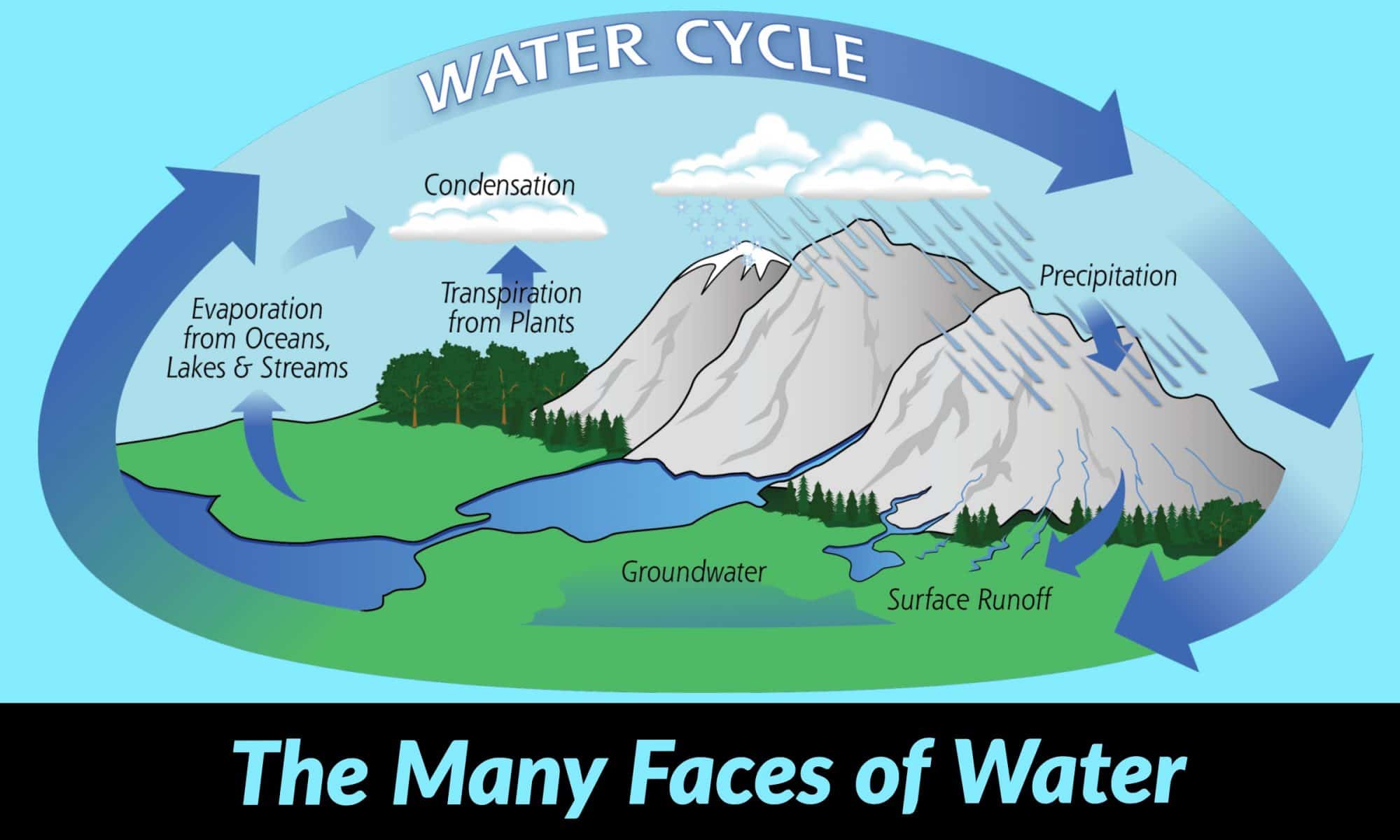
Following this activity, students will be able to clearly distinguish between the forms of water. Students will also be able to understand key characteristics of each form.

Using the images below, students will sort vocabulary words associated with the forms of water into alignment with the proper form of water. For example, ice is freezing, hard, and occurs regularly below 32 degrees Fahrenheit. Water is liquid and occurs between 32 and 212 degrees Fahrenheit. Finally, steam/water vapor is hot, gaseous, and occurs regularly above 212 degrees Fahrenheit.

Guiding Questions:

  1. Which picture displays which form of water?
  2. What are three characteristics of the form of water?
  3. List two places you may find this form of water.

This slideshow requires JavaScript.

Ice and Glaciers,  Cup of water,  Boiling Water.

Featured Image: NASA / Flickr – Text added at bottom of image.