If You Give Students a Part of Speech

This is a co-post by Lauren Alvarez and Audrey Muller.

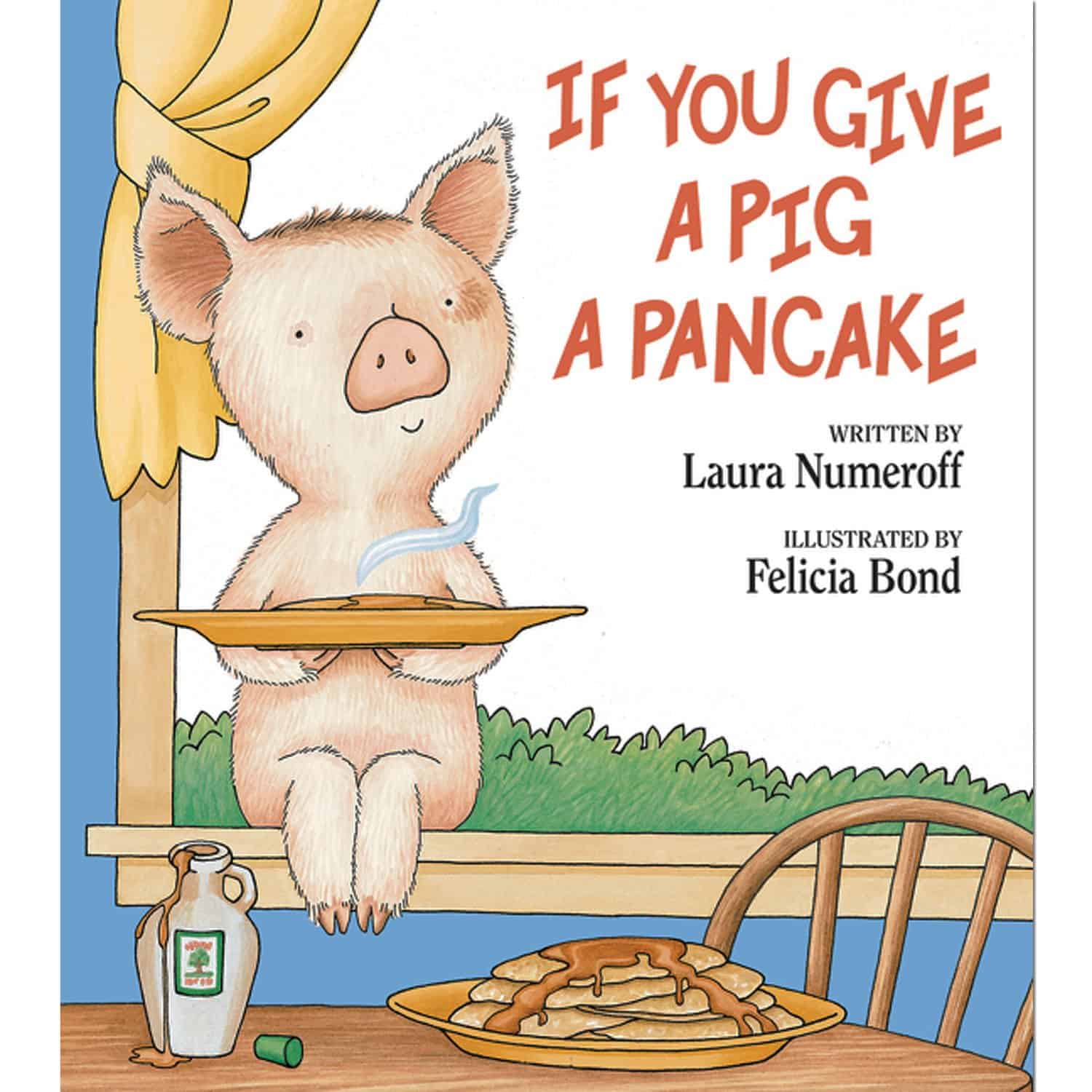
This activity is aimed towards kindergarten or first grade classes. It focuses on basic parts of speech including nouns, verbs, and adjectives. Students will have three multiple choice questions followed by a fun final one about parts of speech relating to the book If You Give a Pig a Pancake by Laura Numeroff.

The benefit of doing an online activity is that it engages students in a different way. They have access to the images and texts, targeting to students of all learning styles. In addition to the powerpoint, students will record their answers on a designated worksheet. This will allow the teacher to record student comprehension.

Behavior Choice Activity

Through this activity, students can learn how their emotions affect others. By interacting with the different behavioral options, students will develop a further understanding of the consequences that may occur as a result of different behaviors.

Aimed at 3rd grade students, the choices are relatively simple. Our hope is that students will be able to evaluate their choices, and be encouraged to choose a more positive behavior to handle the situation.

PEMDAS quiz

post by: Amy Huang and Rylee Seekins

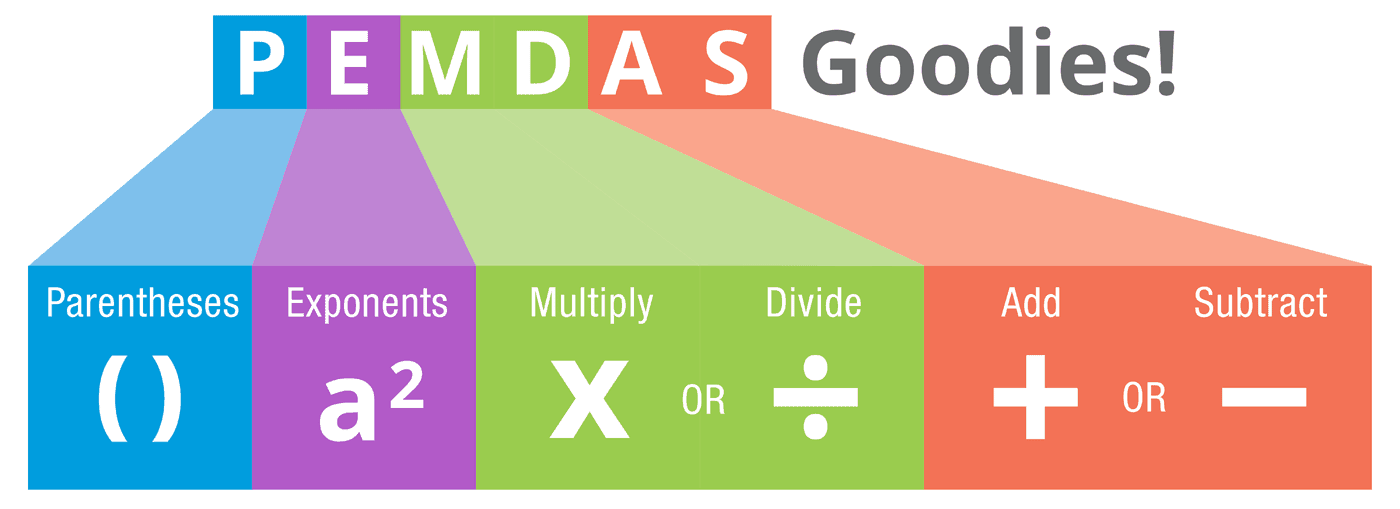
This is a quiz to test third-graders on their knowledge of the steps to PEMDAS. Since the teacher can’t see how well they do, this would be used for more like a way for students to review the topic themselves rather than be used as a formal assessment.

Balloons Over Broadway

This is a co-post by: Ysabelle Saguin and Caroline Halvorson

Target Student Audience: 2nd grade class

Lesson goals: Students will explore the book and its world through links to external resources

Students can each have a copy with the links and access the material on their individual devices or could be used as a whole class on a shared teacher device.

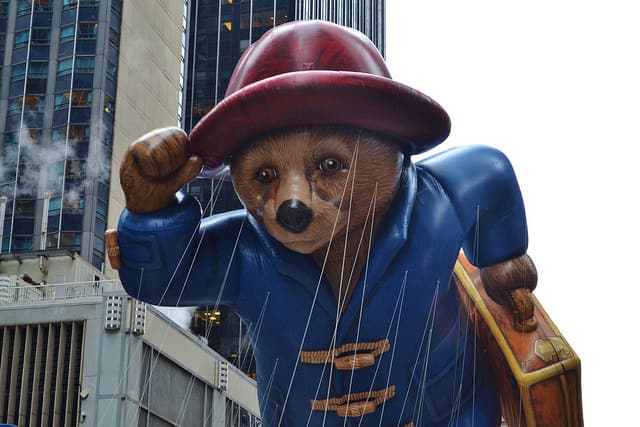
Header Photo: Macy’s 2014 Thanksgiving Day Parade

Misconceptions About Evolution

By Katie and Sydney

This activity could be used in a middle school class to help make students aware of their misconceptions regarding the topic of evolution. This activity would fall at the beginning of a evolution unit, in order for the students and the teacher to have an indication of where students are prior to instruction.

The goal of the activity is to give the students and the teacher an indication of where students are prior to instruction. This activity would fall at the beginning of a evolution unit.

Students would be able to take themselves through the quiz and read the reasoning for each misconception. In order to share the information with the teacher, the students can write down the questions that they struggled with. Allowing teachers to be able to have an idea of what were the commonly missed questions.

All About Seasons

In this lesson students will learn about the four seasons, and how they are similar and different from each other. This will be an introductory lesson before going into depth about each season.

This lesson uses visual aids to guide students during the beginning steps of the activity. Visuals prompt student imagination, creativity, and ideas about what a certain concept will be about. It also allows students to make thoughtful predictions about the given topic, that may not have be thought about previously.

Guiding Questions:

  1. Can you name the season that each picture represents?
  2. What do you already know about each season? Do the pictures tell you anything?
  3. Do seasons look different depending on where you live?
  4. Do you have a favorite season?

Pictures Used:

Spring Awakening – Gellinger

Pamjpat

Beach Foam Motion – Pexels

Colorful Autumn Leaves – Petr Kratochvil

Let’s Work Together!

When working with young students, it is important to teach them the concept of teamwork and working together! Teamwork is a skill that everyone needs in the future, so teaching students at a young age about working together is very beneficial. With teaching the students about teamwork, we can show them that by working with other people, they can get new ideas, and even finish their work faster!  By showing students the importance of teamwork at a young age, they will be able to learn a lifelong lesson that they can carry on into adulthood. 

  1. Why is teamwork important?
  2. What are the benefits of working with other people?
  3. How will it help a student in the future?

Scott Maxwell- Working Together Teamwork Puzzle Concept

Creative Sustainability- Creative Teamwork

Teamwork

Mini lesson: California Missions

Visual Thinking Strategies Activity

I used Creative Commons to find these images of the different California missions. I specifically found photos featuring the main buildings so that students can compare the images. Students will use their prior knowledge of the missions and descriptive language to describe each of them. They will practice their writing skills and creativity when answering the final question.

Questions:

1.) Describe the similarities between the first three images

2.) Describe the differences between the first three images

3.) What do you think is happening in the last image? Write a short story about it! (Pargaraph length)

Images Used

Mobilus In Mobili

Tim Buss San Juan Capistrano

Bryce Edwards Mission San Luis Obispo

Santa Barbara mission, Alta Calif.; 1800

Bullying & Cyberbullying

Unfortunately, bullying and cyberbullying is still present in our classrooms today. It is an important issue that teachers must address because it can seriously affect the well-being of a student. We need to create environments that make our students feel comfortable and safe. I believe discussing this topic will build awareness of what bullying/cyberbullying is, think about ways to prevent bullying/cyberbullying, and talk about what actions our students can take when they see or hear bullying/cyberbullying happening.

  1. What is bullying? Cyberbullying?
  2. What can we do to prevent bullying and cyberbullying from happening?
  3. What do I do if I see or hear bullying or cyberbullying happening?

Where Do Animals Live?

This activity is designed to help students identify whether these animals live on land or in the sea. Students will then identify the different characteristics that land animals have versus sea animals using prior knowledge. They may also use the images provided to help them compare and contrast similarities and differences. The goal of this activity is to help students familiarize themselves with the different species of animals.

Guiding Questions

  1. Which animals live in the sea and which live on land?
  2. What is two major difference between land and sea animals?
  3. What is two major similarity between land and sea animals?
  4. What other animals live in the sea? What other animals live on land?

Image Sources

1. Elephant

2. Fish

3. Horse

4. Starfish

5. Tiger

6. Dolphin

World Wide Foods

My activity is going to teach students about all the different kinds of food from around the world. In my search through the public domain I found images from 4 countries. I would have the students describe the foods they see and from their schema have them guess which country each food is based off the options from the given list. My goal: to help students connect pictures to real life experiences and cultures.

Guiding Questions:

For each image…

  1. Describe what the foods are.
  2. Describe what kind of ingredients are in the pictures?
  3. Which cultures use those kind of ingredients?

Image Sources

Spaghetti and Meatballs

Pad Thai

Cheeseburger

Tacos