Healthy Eating Habits

In my public domain search I found several images on the idea of being healthy. Before showing students these pictures, I would have completed a lesson about healthy eating and how doing so makes a positive and healthy different in my students’ lives. Through these pictures, I would ask students to describe the foods that they notice in the pictures, and whether they are healthy options or not. Speficially, I will talk to students about fruits and vegetables. I will then talk to them about the MyPlate that is displayed, and have a discussion with them about the foods that fit into the categories of MyPlate. My goal: to help students understand healthy vs. unhealthy food options.

Guiding Questions

  1. What foods are in the pictures?
  2. How are the children in the pictures reacting to their food options?
  3. What do these images teach us?

Image sources
featured photo

Girl holding a fruit bowl

kids preparing their lunch

mix of greasy and healthy food

MyPlate

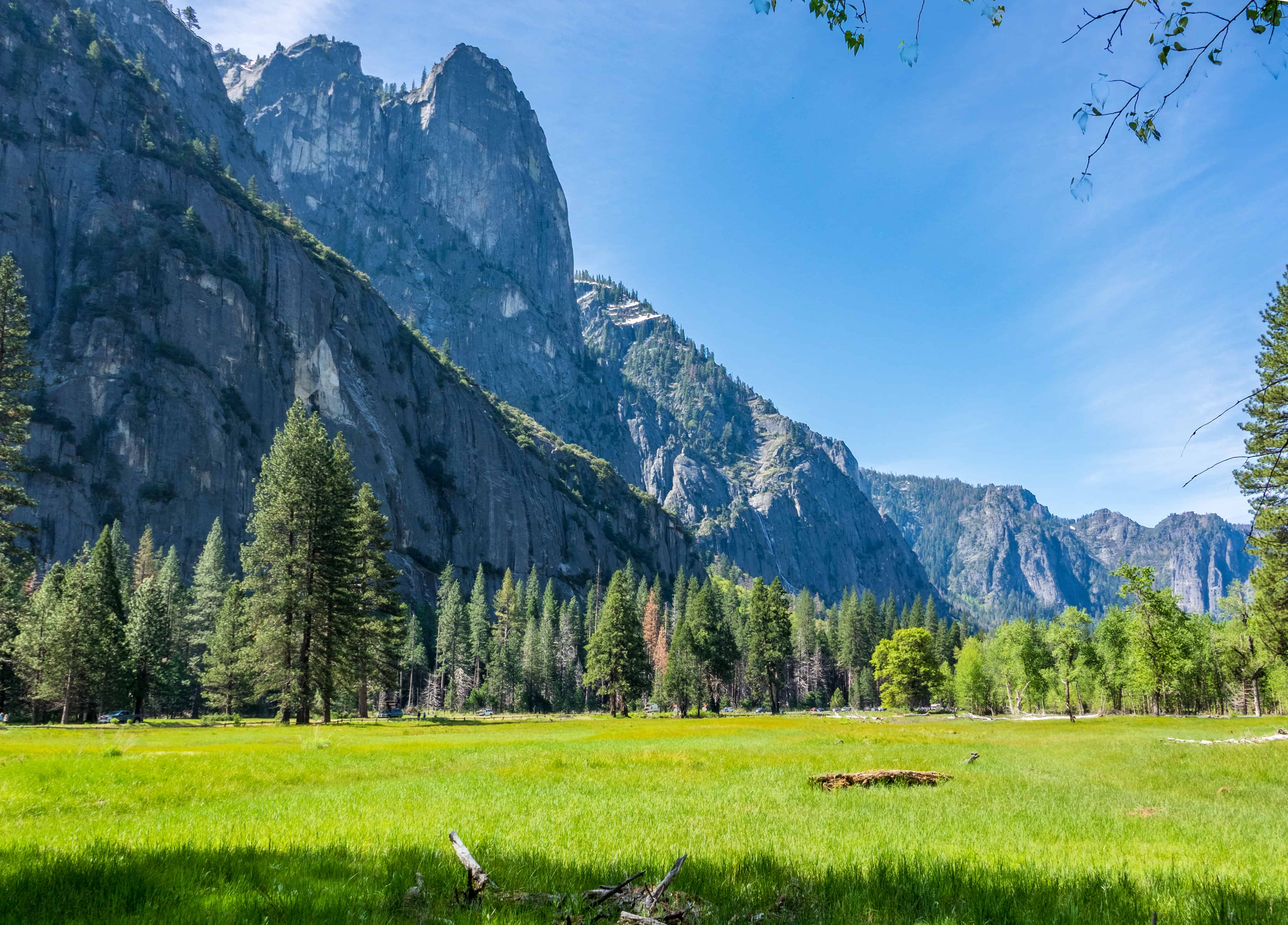
Landforms in the US


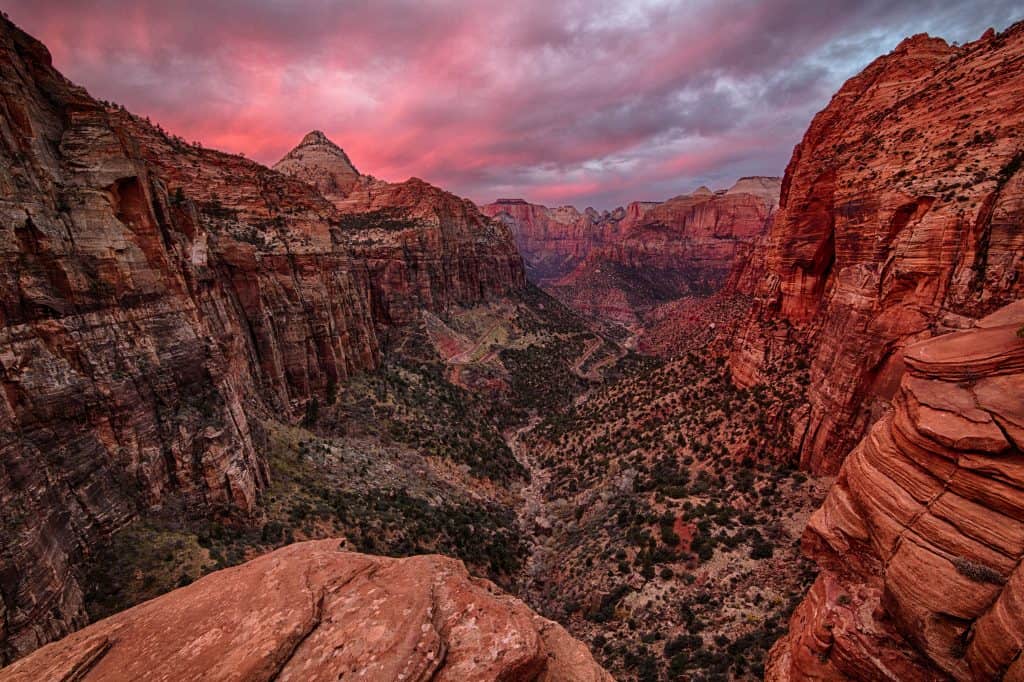
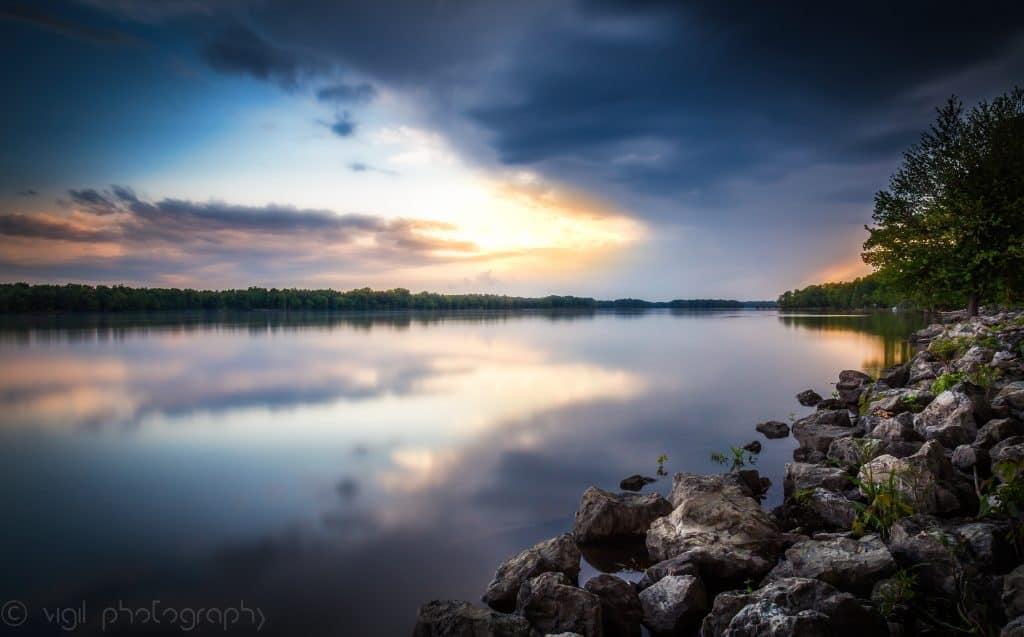
This lesson is meant to introduce students to the geography of the United States by identifying the varying landforms throughout the country.

Guiding Questions: 1. What similarities and differences do you see between these pictures? 2. How might the climates of these areas differ? 3. Can you make any guesses as to how these landforms were made? 4. What parts of the country do you think these landforms are in?

Different Deer Species in Washington State

Mule deer SW Wyoming on winter range

White-tailed Deer

Rattling no guarantee for black tail deer

For this lesson I’m going to explain how to identify different Deer species in the State of Washington. I would start the lesson by giving giving them a pre-test on what they know about deer. I would then go into lecture form with background infromation about deer. Then I would give them another pre-test and ask the students of they know what species of deer live in Washington state. I would then go onto teach and show them images about the three different deer species we have in Washington State. Then I would give them a pre-test and ask how they can tell the differences between the species. I would then lecture them on how to identify the differences of the different species. When the lesson is done I will have them take a post-test on all the previous questions and see what they learned, as well as show more pictures and ask them which deer is which species.

Senses in Environments

This lesson will hopefully get students to reflect on their knowledge of the five senses. This exercise should help students analyze and evaluate each given photo. Students will be shown each of these photos and asked what they might feel, smell, taste, sound, and see in this particular environment. I chose a picture of a snowy, beachy, and city like environment to give students completely different environments to reflect on. While picking these pictures I have took into consideration different types of people with different perspectives. Some children may never experience a snowy environment and may have a hard time coming up with senses in this environment. These photos can be vastly different and can be altered for every classroom. This lesson should help enhance and test students understanding of the five senses, while also having them reflect on their experiences.

Guiding Questions

  1. What might you see, smell, taste, hear, or feel?
  2. What experiences have you had in this environment? How did/might you feel in this environment?
  3. How does this environment contrast/compare to your current environment?

Image Sources
Snow

Andaman Beach – A Funstay day

New York City

Artful Thinking Routines

In this activity, students will Harvard’s Project Zero’s Artful Thinking Routines to analyse paintings. Using the See/Think/Wonder routine (under Questioning and Investigating on the left hand side), students will follow the steps below to analyse the paintings in a deeper and more meaningful way.

Artful Thinking Routine: See/Think/Wonder:

What do you see?

What do you think about what you see?

What do you wonder about?

Images used for this activity:

Fishing

The Great Wave off Kanagawa

Old City

Geometry: Identifying Shapes

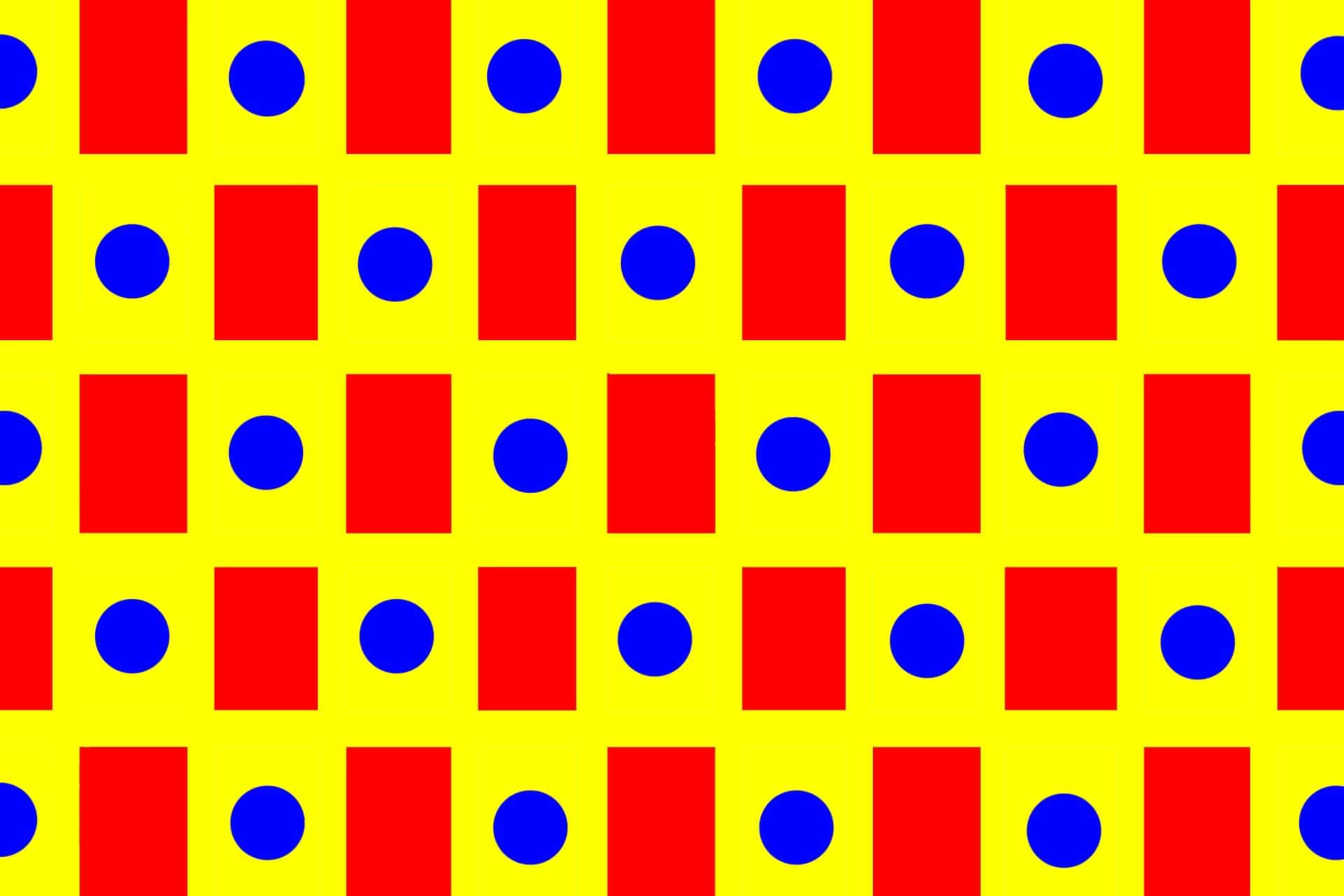
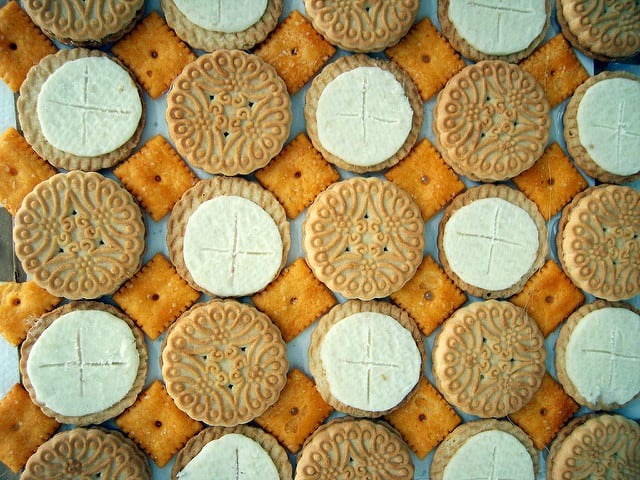
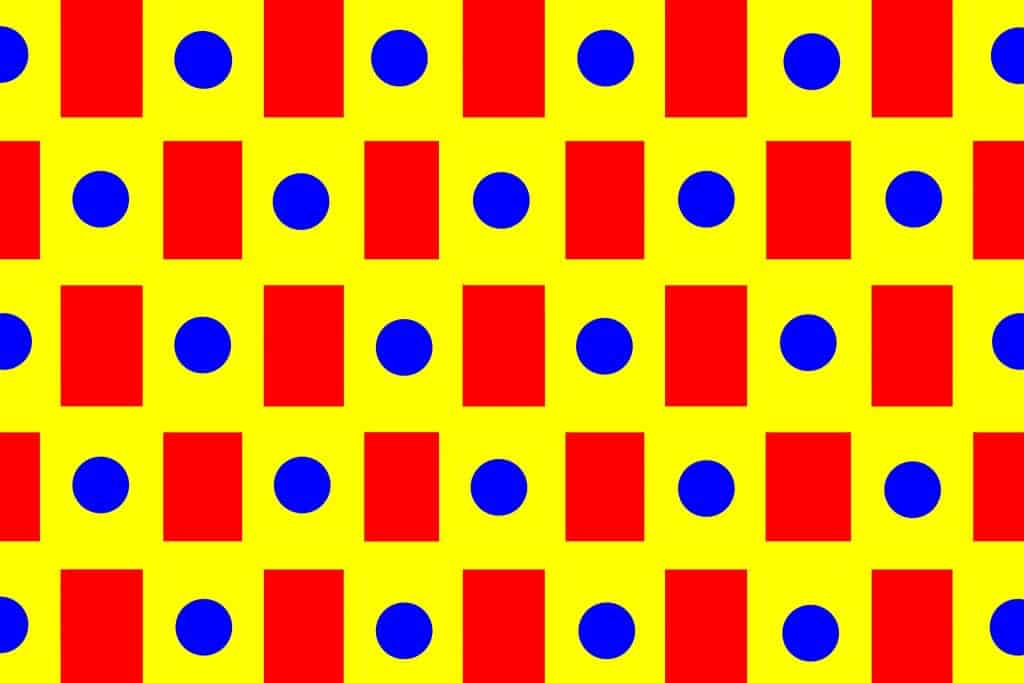
I would use these images after we have spent some time in geometry (first grade). Students will have previously been introduced to different shapes, their names and identifying features.

I would project each image individually on the board for the entire class. This would be a whole class activity and I would alternate by calling on individual students to share with the class and also turning and talking with a partner.

Guided Questions:

  1. Can you find any shapes in this image?
  2. What is the name of this shape?
  3. How do you know? What are the identifying features? (lines, sides, corners, etc.)

Image Credits

Featured Image

Colored Triangles

Geometry by Brandon Atkinson

3D Cubes

Magic Tree House: Hawaii

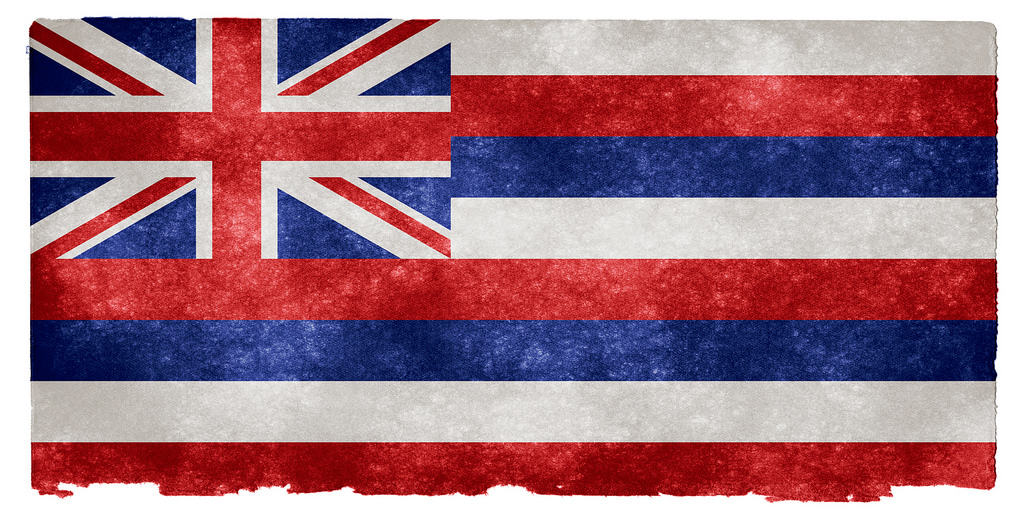
Before we begin reading about Jack and Annie’s adventure in Hawaii, we are going to brainstorm what we already know about Hawaii, tsunamis, surfing, and volcanoes!

For each image above:

  1. Write down everything you know about the picture in your reading notebook.
  2. Write down any questions you have about what is going on in the images.

For the next two weeks, we will read “High Tide in Hawaii” as a class and explore the answers to all of your questions related to Hawaii.

High Tide in Hawaii

Surf

Tsunami

Kauai, Hawaii

Kilauea Lava Lake

Annexation of Hawai’i to the United States

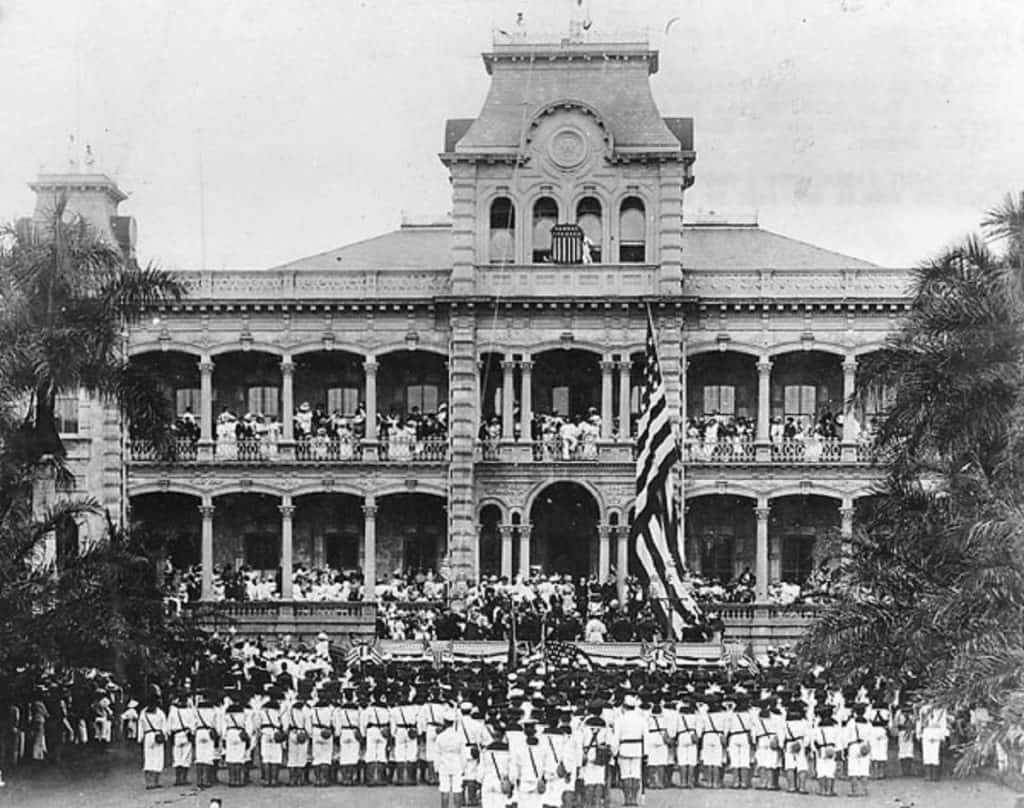
Students will dive deeper into the history of the U.S. annexation of Hawai’i in 1898. They will explore American motives of Hawaiian territory, foreign policy and political propaganda, and Hawaiian resentment towards the U.S. based on illegal annexation.

Hawai’i was a key economic area for whaling, sugar cane production, and access to the Pacific Ocean. The U.S. felt threatened by the possibility of the Hawaiian Kingdom becoming part of a European empire like Britain or France.
The American depiction of Lili’uokalani portrays the highly intelligent and generous queen as a dumb savage who was unfit to run her kingdom.
On January 17, 1893, the Kingdom of Hawai’i was illegally overthrown when a group of businessmen forced Queen Lili’uokalani to abdicate her thrown. The Hawaiian people were restricted from accessing their land and banned from practicing Hawaiian culture or speaking the Hawaiian language. Hawai’i officially became annexed on August 12, 1898.

a;lskdjf

asdf

Image Sources:

Featured Image

U.S. President Dole accepting the annexation resolution

The Hawaiian Situation Explained

Raising of the American Flag at ‘Iolani Palace

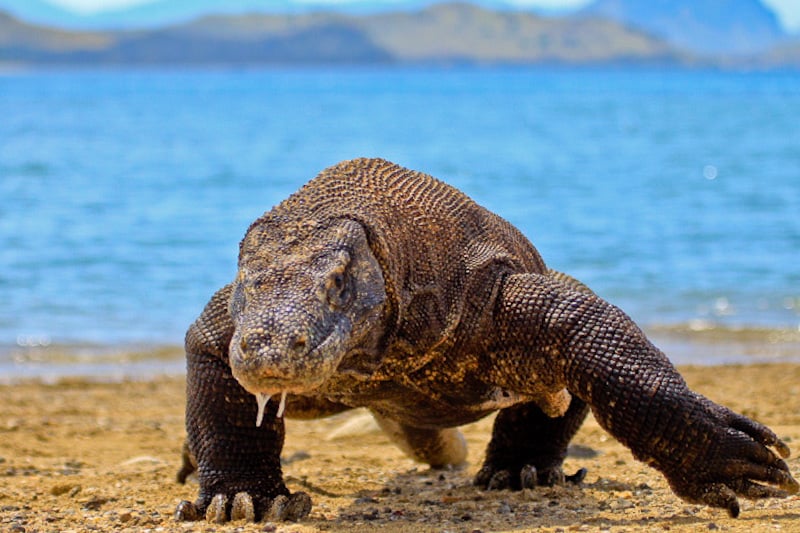
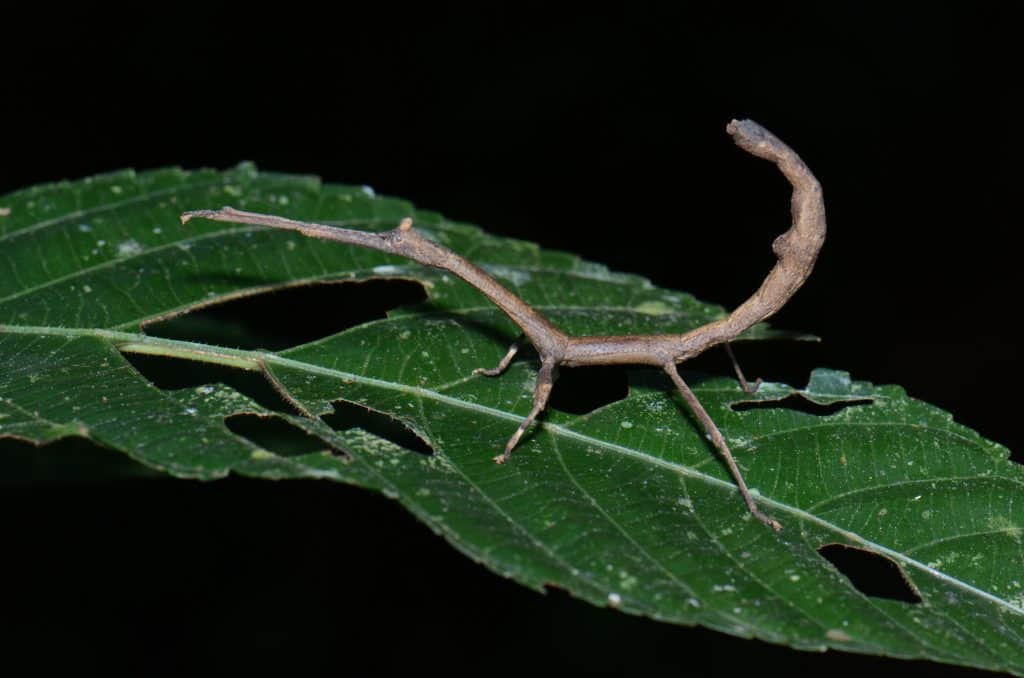
Investigating Adaptations

Students will look at the photos and determine beneficial adaptations that help the organism survive, reproduce, or both.

Are they adaptations of function, structure, behavior, or a combination of them?

What purpose do these adaptations serve?

What other chance mutations could each of these species have that would benefit them even more?

Image Sources:

Komodo Dragon

Purple-Washed Eyed-Metalmark

Short-Legged Stick Bug

Writing Prompts

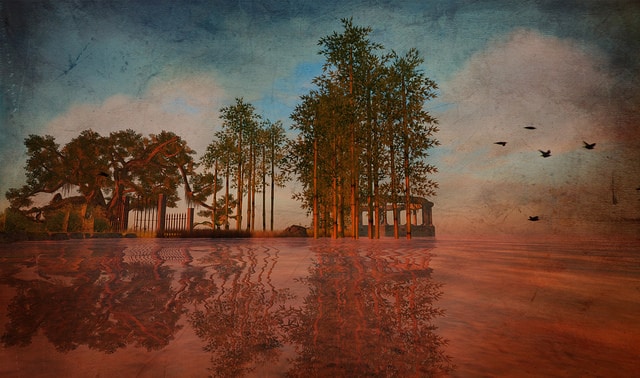
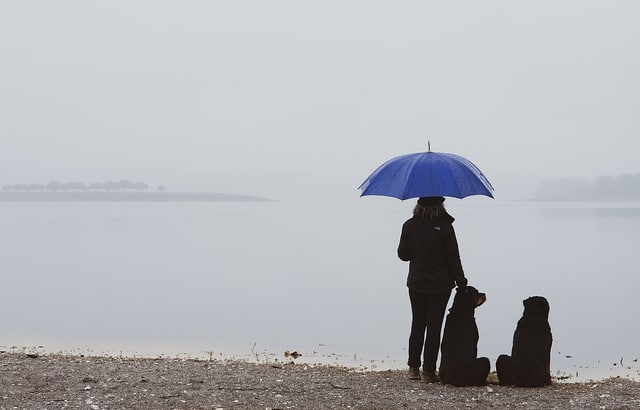
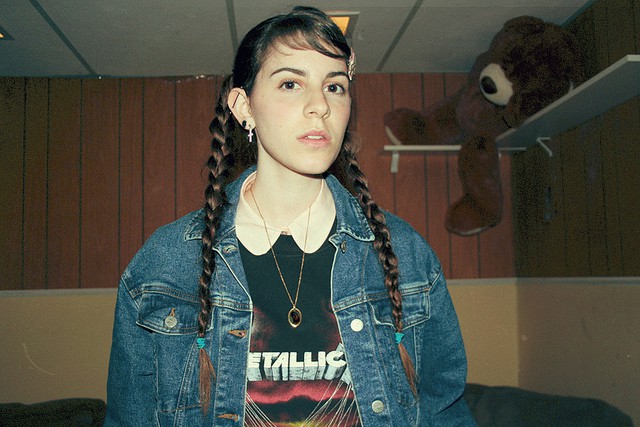
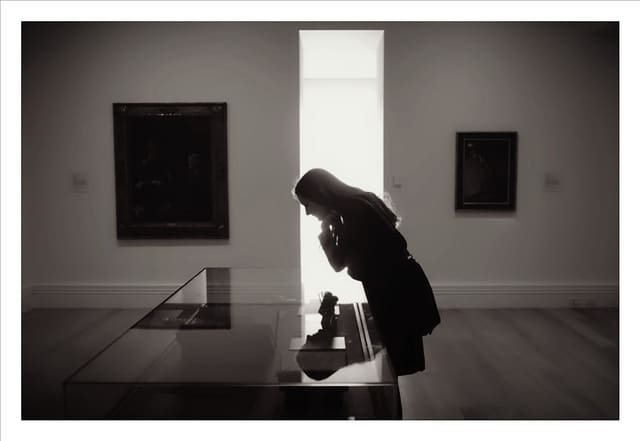
For this assignment, students will take time to look at images and pick one that sparks their imagination. They will use the image to prompt a story and practice writing a narrative based on the story. They may choose to use the image is base the entire story around or use it as a scene. Following the writing process, students will share their stories with their peers and review.

Guiding Questions:

  1. What about this image stands out to you?
  2. If the image has characters, what do the characters seem to be doing?
  3. What events may have occurred before or after this image was captured?

Image Sources:

Imagination

She is never alone

basement

Intrigued