What Do Plants Need to Grow?

Kindergarten/First Grade Science lesson

Plants are living and breathing things that just like humans need special things to help them grow. In this lesson, we will learn the 5 different things plants need to grow and the reasons why? At the end of the lesson, we also learn a fun trick so we never forget what plant needs to grow.
The first thing needed for a plant to grow is something that keeps it warm and starts with the letter L. Looking at the picture what it could be?
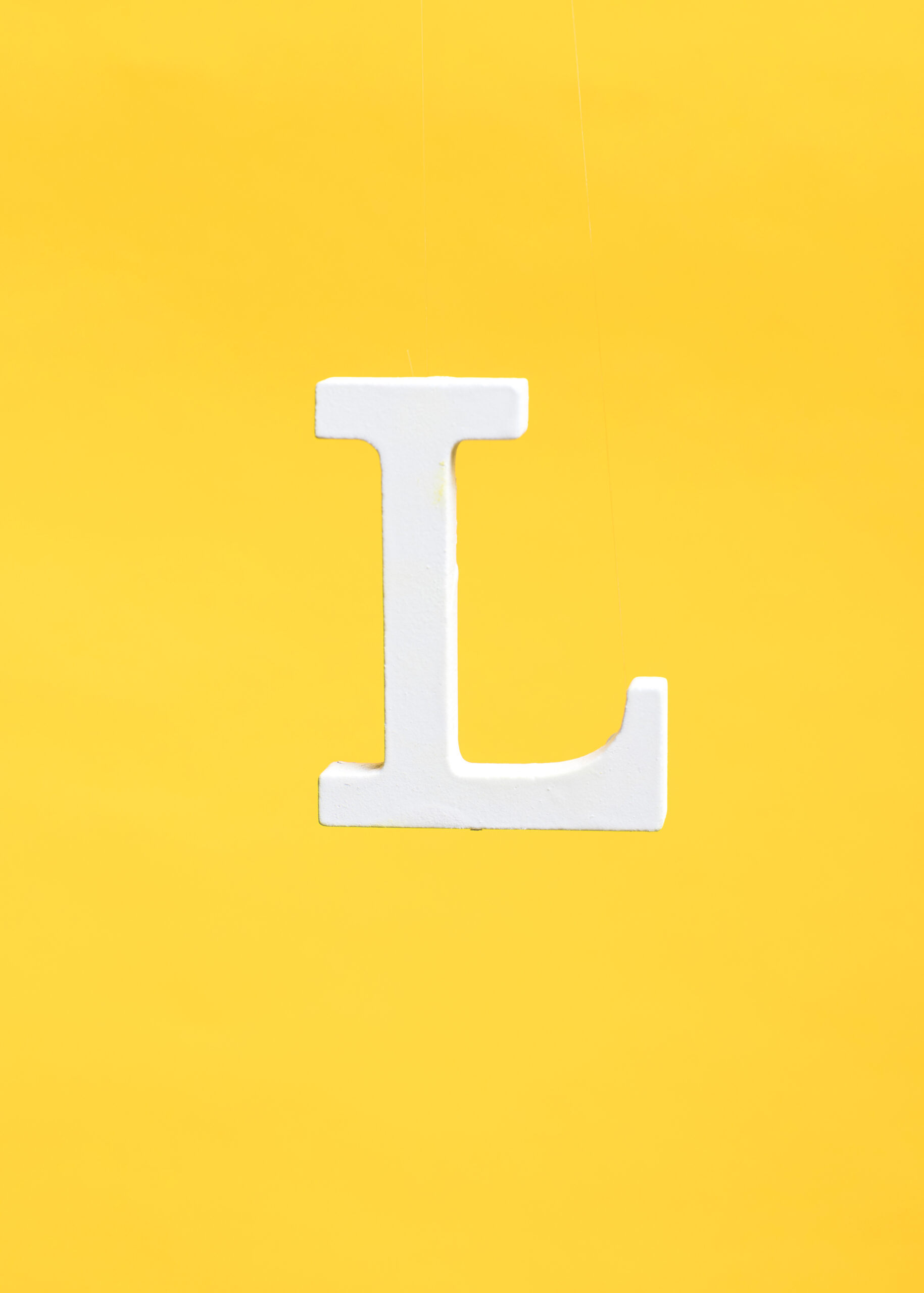
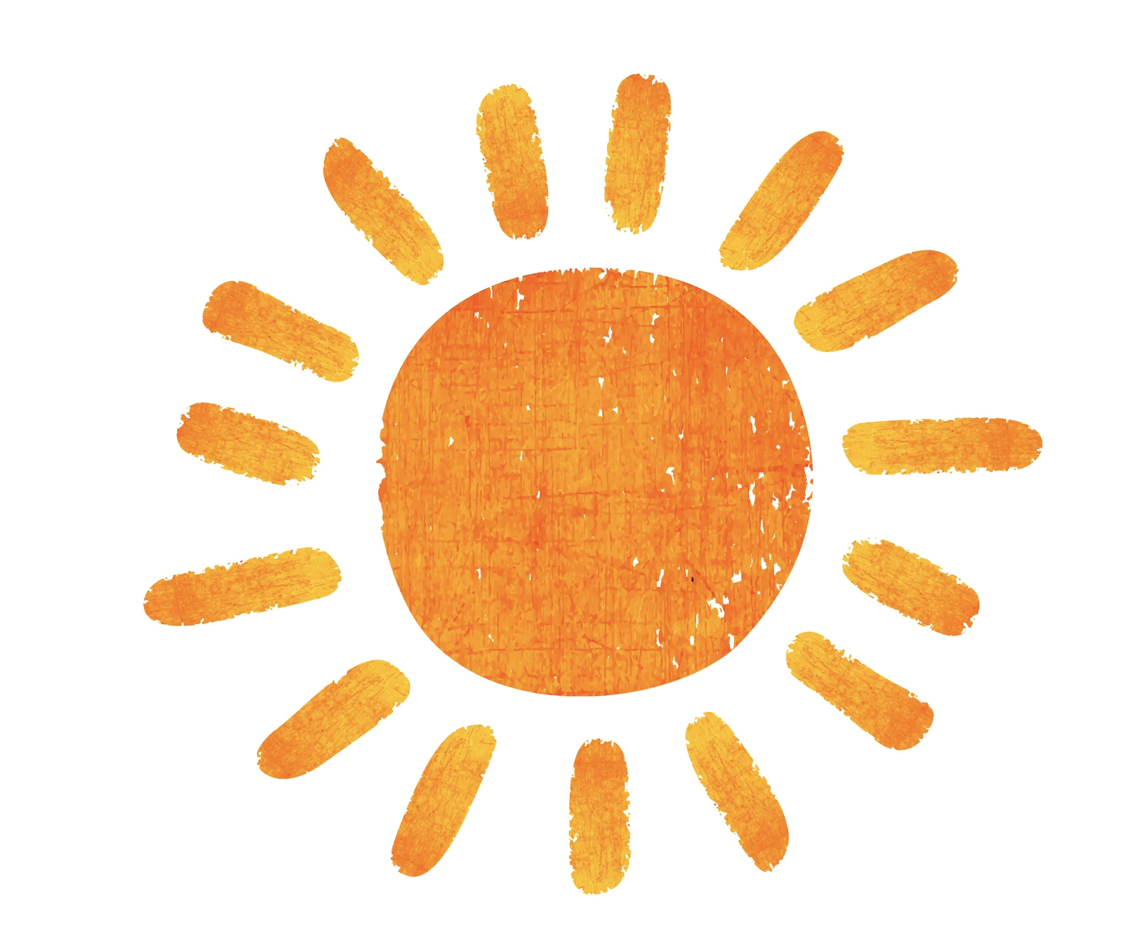
Correct Light! Just like we need to stay warm, plants need a warm temperature! Light coming from the Sun in the sky keeps plants warm and helps to make food for the plants.

The next thing plants need to grow is what helped them to breathe. Use the letter clue and image to help you solve the answer.


Good job, air! Just like we need air, plants need air to breathe. Air is used to make food for plants. Making sure a plant is getting nice fresh air is very important.

Just like we get thirsty so do plants. What do you think plants need if they are thirsty? Use the hint of the first letter of the word W and the image to figure out what the next thing plants need to grow.


Yess water! Water is important for plants because it helps to move food and nutrients to all the different parts of the plant from its leaves all the way down to its roots deep below the soil.

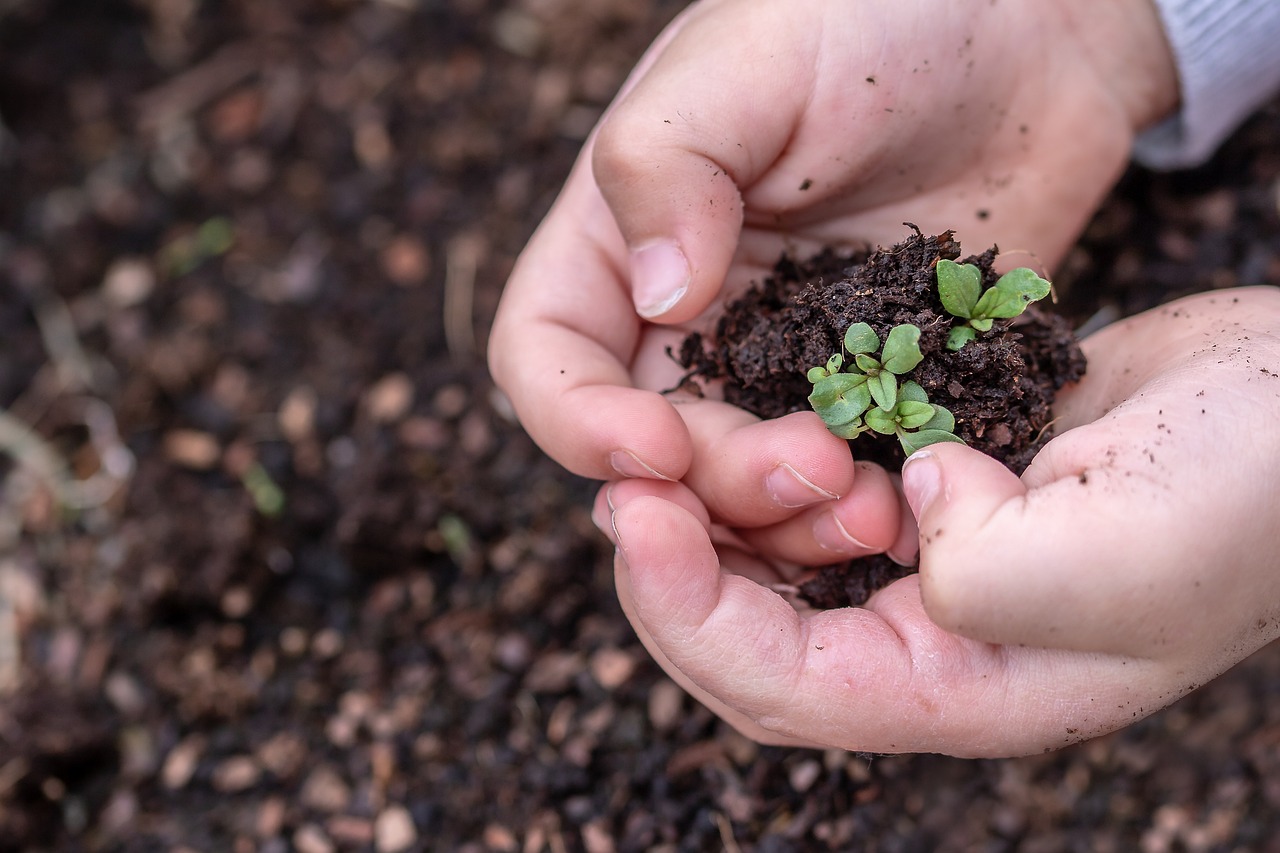
Nutrients are also needed for a plant to grow. because it helps to provide minerals and vitamins to plants’ roots in order to provide the plant with the strength to grow, big and strong, this is why it is very important that plants are planted in nutrient-rich soil to provide food for the plant.
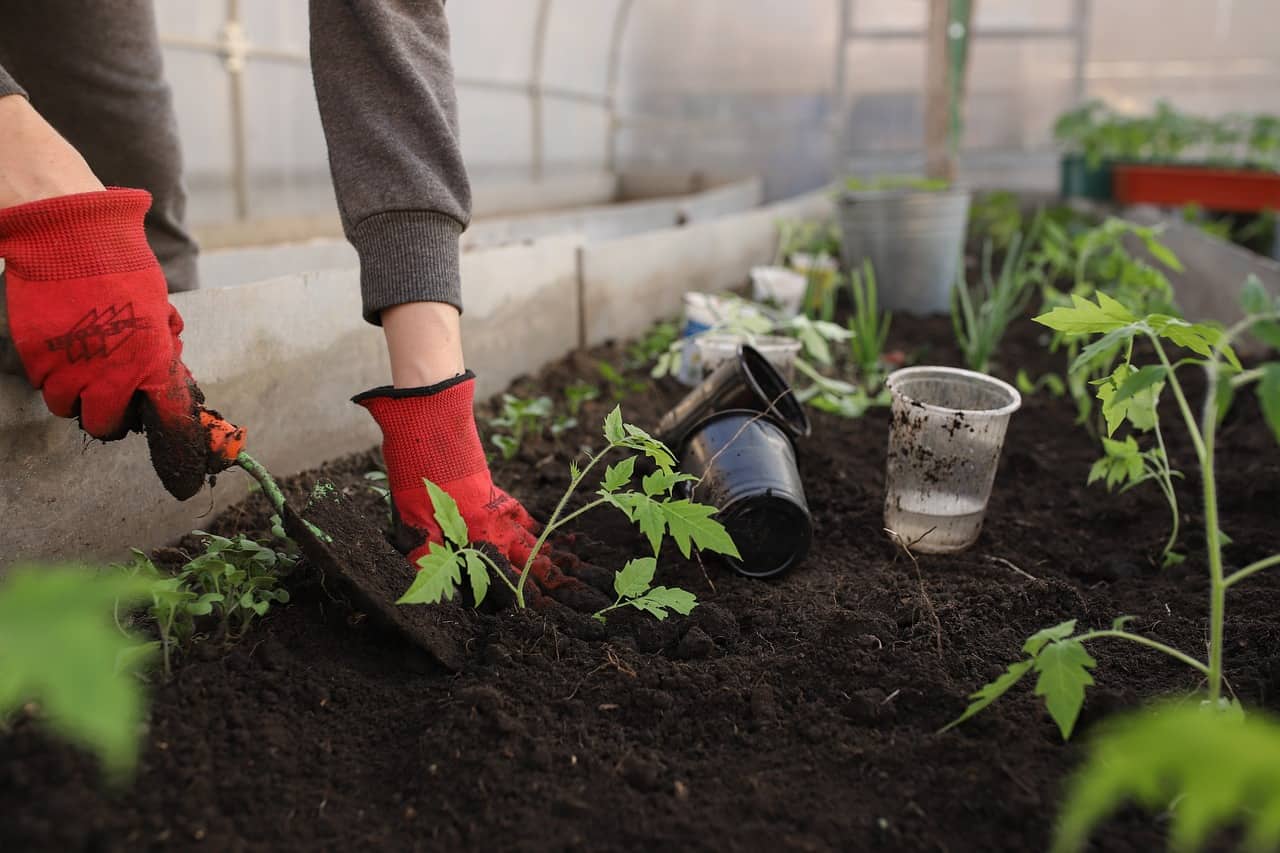
Lastly in order for plants to grow they need… Space!! Just like we need a place to live, plants need a place to live. Plants need space to grow roots so they can grow big and tall. Making sure you are growing a plant in the right pot is very important to keep your plant alive.

As you can see plants are just like living humans who need special things to make sure that they thrive and grow into the beautiful green plants we all know and love. In order to make sure a plant can grow it must need light, air, water, nutrients, and space. If you take the first letters of the 5 words it creates the word LAWNS which is a fun way to remember the 5 things a plant needs to grow, L for light, A for air, W for water, N for nutrients, and S for space.

PLANT TRIVIA

If you see a plant that is dry and looks wilted because it hasn’t rained in days and has no water. What do you think it needs?

Water 🌧

Your plant loves the sun, but is living in a shady area what can you do to help the plant grow?

Move it to a sunny place ☀️

Your plant is starting to become too big for the pot you planted it in what should you do?

Put it in a bigger pot 🪴

Credits

Image by lcallard210 from Pixabay

Image by Freepik

Image by Freepik

Image by rawpixel.com on Freepik

Image by onlyyouqj on Freepik

Image by Dark Nature from Pixabay

Image by rawpixel.com on Freepik

Image by Ekaterina Ershova from Pixabay

Image by Milada Vigerova from Pixabay

Using Images to Develop Geographical Understanding of Commonplaces Across the World

This assignment is targeted to a high school world history class. The purpose of this assignment is for students to cultivate ideas about geography and generate discussion among the students.

Student Instructions – Take 10 minutes to view the images and create compare and contrast chart. Once the time is up, discuss your chart and the questions attached to the pictures with your group mates.

Two methods of farming across the world. Image source: Pixabay / Pixabay

Remember to think about…

What is not shown in these pictures that could give us more perspective? What similarities and differences can we see? How could geography play into these farming methods?

Pixabay / Pixabay / Pixabay / Pixabay

Remember to think about…

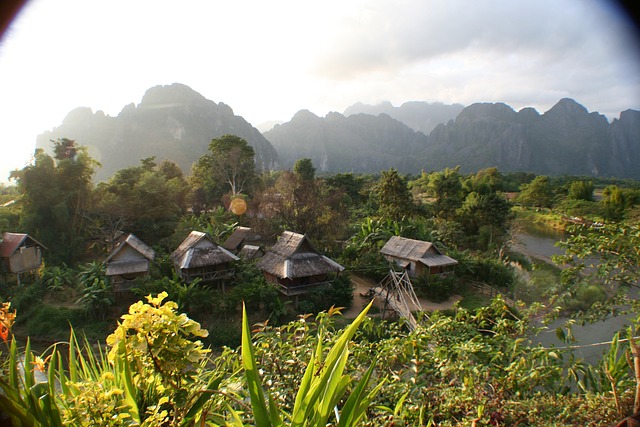
How could these houses represent or misrepresent the type of geographical location they are in? What perspective do these zoomed out perspectives of the houses give you? How do these images compare to each other? What do these similarities and differences tell us?

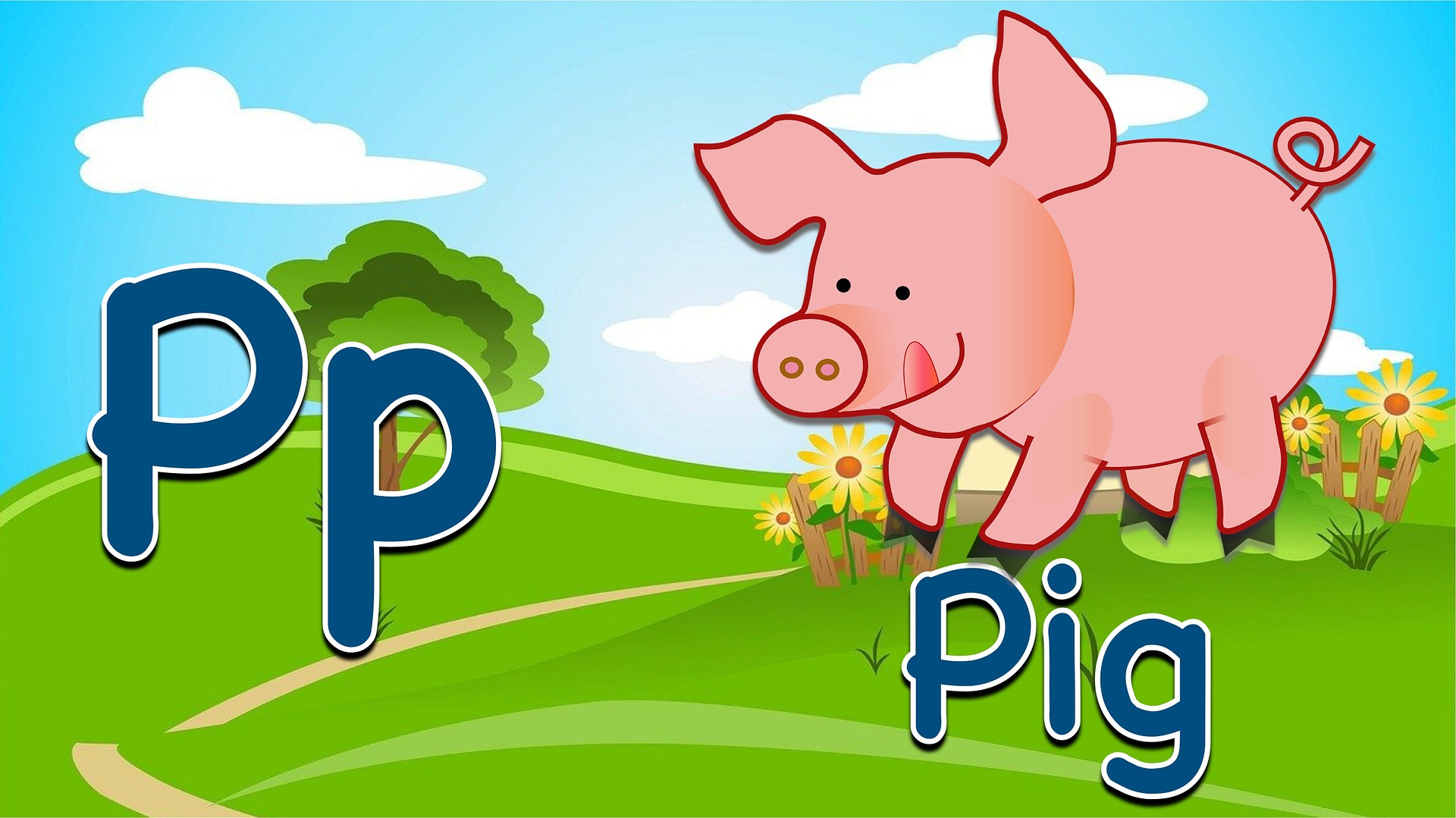
P is for Pig.

This lesson is an intended phonics lesson focusing on the letter P for kindergarteners.

The teacher will first use this slide image to show a pig, ask the students “what is the first letter of this animal?”
-The students should respond- P! The teacher will respond, “yes! P-P-P-Pig!”

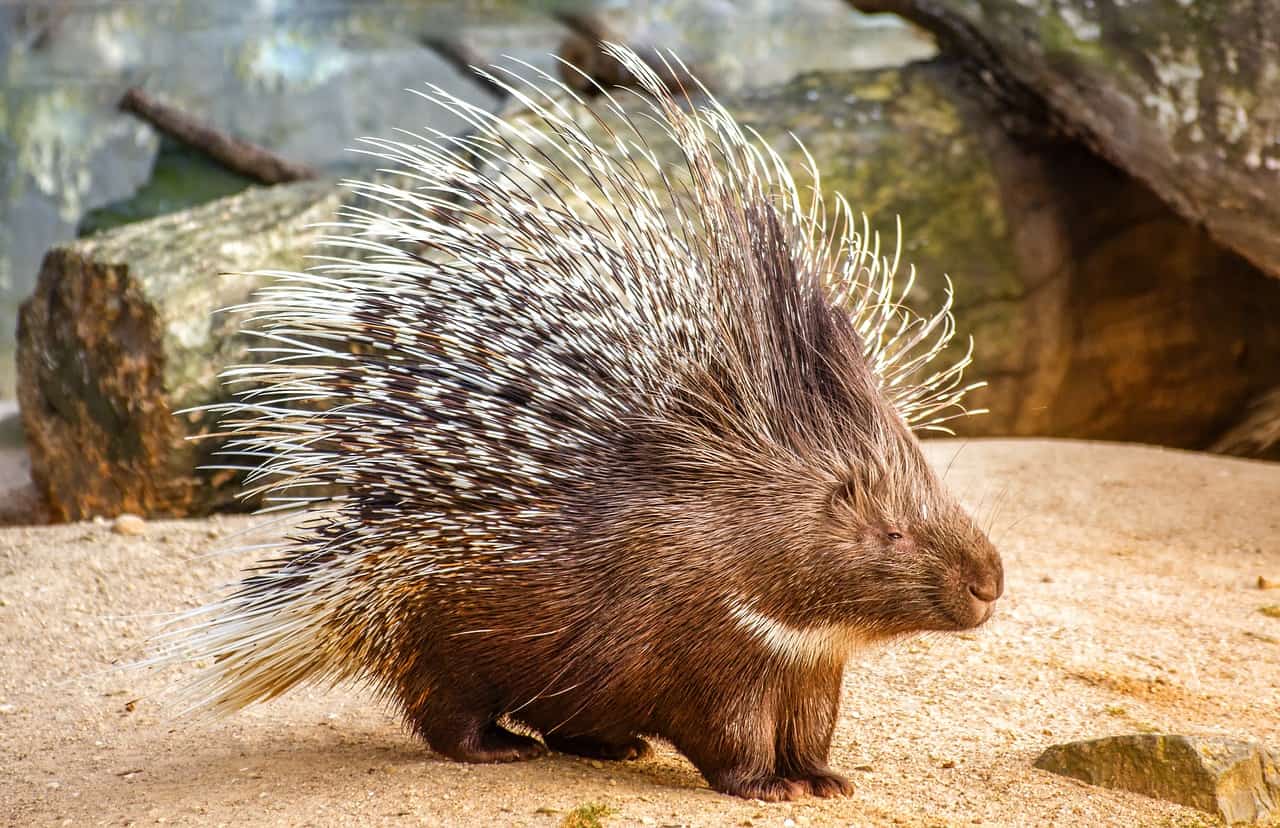
The teacher should first use the slide to show the picture of the panda and then show how Pig is written

Image by Alexa from Pixabay
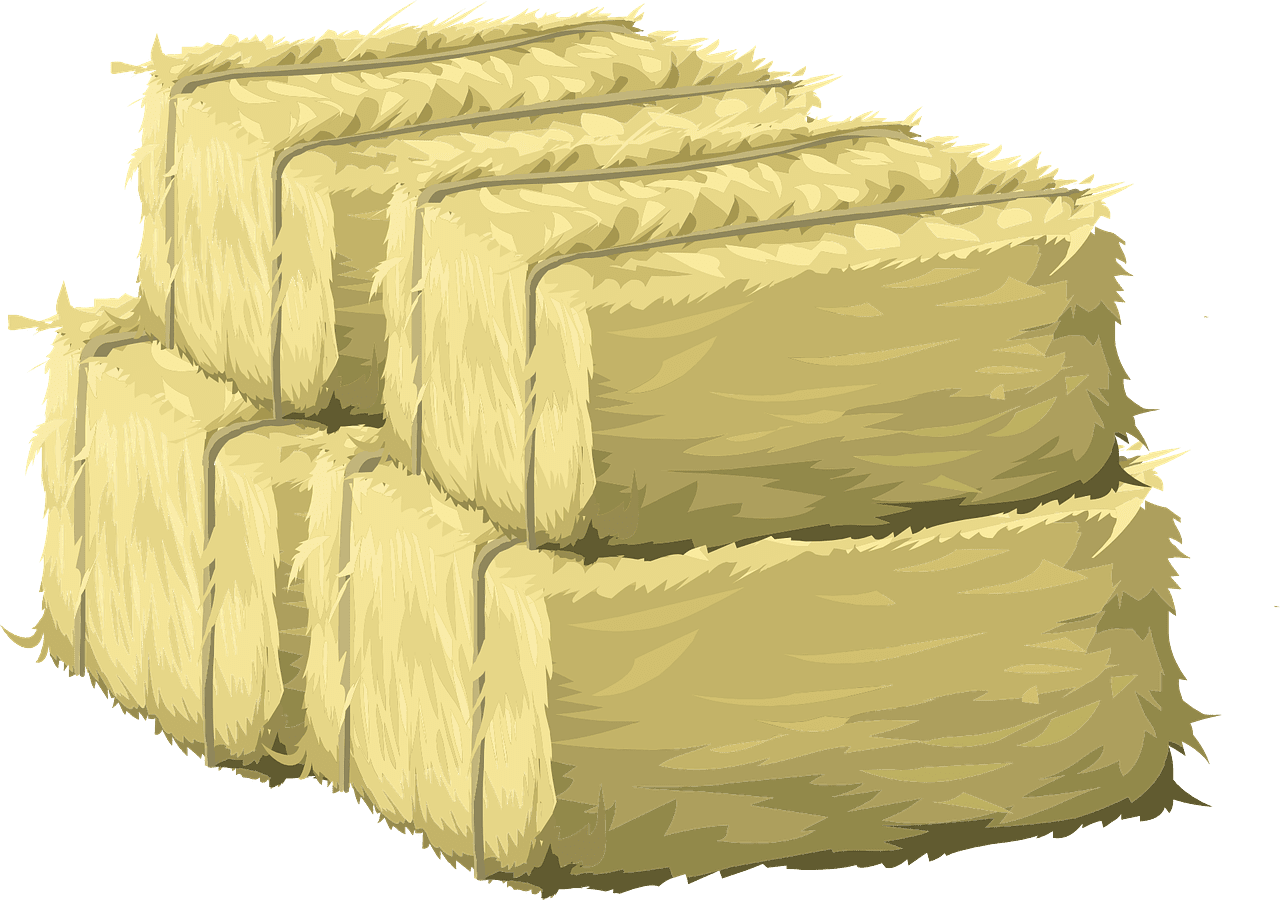
Image by Vix MSF from Pixabay
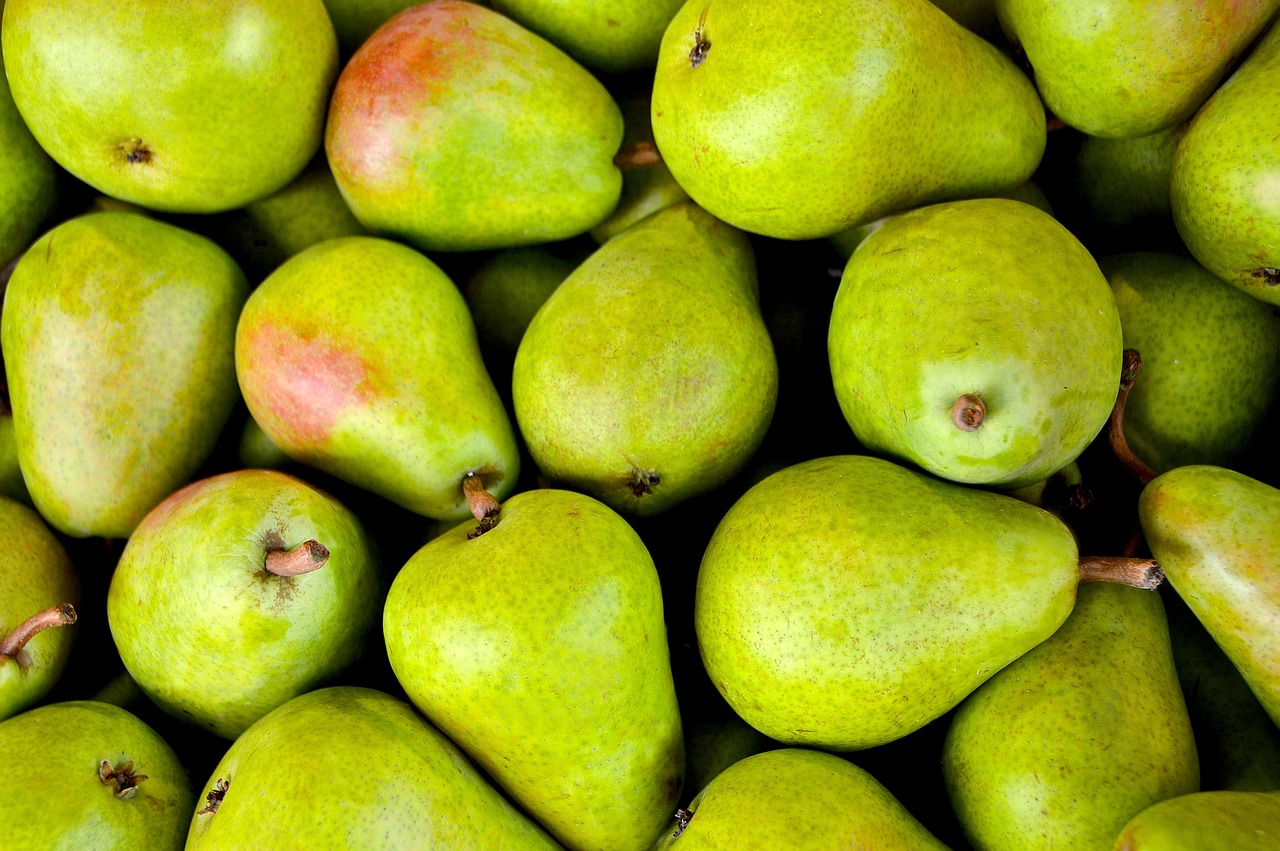
Next, the teacher will show them images with the letter “P” either at the beginning or end of the sentence. Next have to identify where in the word they hear “P.”

At the end of this lesson, students should get able to know what sounds the letter “P” makes.

SEL Predicting Feelings Lesson

By Miss Nicole Pagtakhan

Class Overview:
  1. Warm Welcoming Activity – Rock, Paper, Scissors
  2. Activity – How do I feel?
  3. Learning – We feel…
  4. Activity – Someone might feel…
  5. Optimistic Closing Activity – Bucket Fillers
Lesson Objectives:
  • Predict how others might feel as a result of their or another’s actions 
  • State the cause and effects of a given action 

Warm Welcoming Activity: Rock, Paper, Scissors
  1. Find a partner to play rock-paper-scissors with
  2. Play it, showing your hand on “shoot”
  3. The winner asks their partner a question that correlates to the winner’s hand signal

Rock: What is something that you can do to calm yourself down?

Paper: What is one example of a healthy way to deal with your emotions?

Scissors: What is something that dysregulates you?


Activity – How Do I Feel?

Today, we will be learning how to understand our feelings and how to predict how others may feel about different experiences and events. We will first start by understanding ourselves.

Think about a time someone has done you a favor, or given you a gift. What memory does that bring up? What changes do you notice in your body? In your thoughts?


Learning – We Feel…

Maybe you noticed that you became more relaxed, or you smiled when you were thinking about that memory. Our faces can show how we feel. Our bodies can tell us how we feel too. Look at each image, and think about how each child is feeling, and what might be causing them to feel that way.


Activity – Someone might feel…

We know about the golden rule…

“Treat others the way you would like to be treated.”

…but sometimes people don’t like being treated the same way as us. Some people are okay with being hugged, and some people aren’t. It’s important to understand what people are comfortable with, and their emotions are helpful in understanding it.

Read each scenario in the captions of the images. How would you feel? How do you think the other person is feeling in that scenario?


Optimistic Closing Activity – Bucket Fillers

We fill each other’s buckets with happiness when we act kindly towards others. If we try to fill other people’s buckets, ours gets filled too. How can you fill someone’s bucket today?


Image Credits

Fist by Uswa KDT from Noun Project

high five by Daouna Jeong from Noun Project

Peace by sandra from Noun Project

Photo by Nathan Dumlao on Unsplash

Photo by yang miao on Unsplash

Image by Victoria_Watercolor from Pixabay
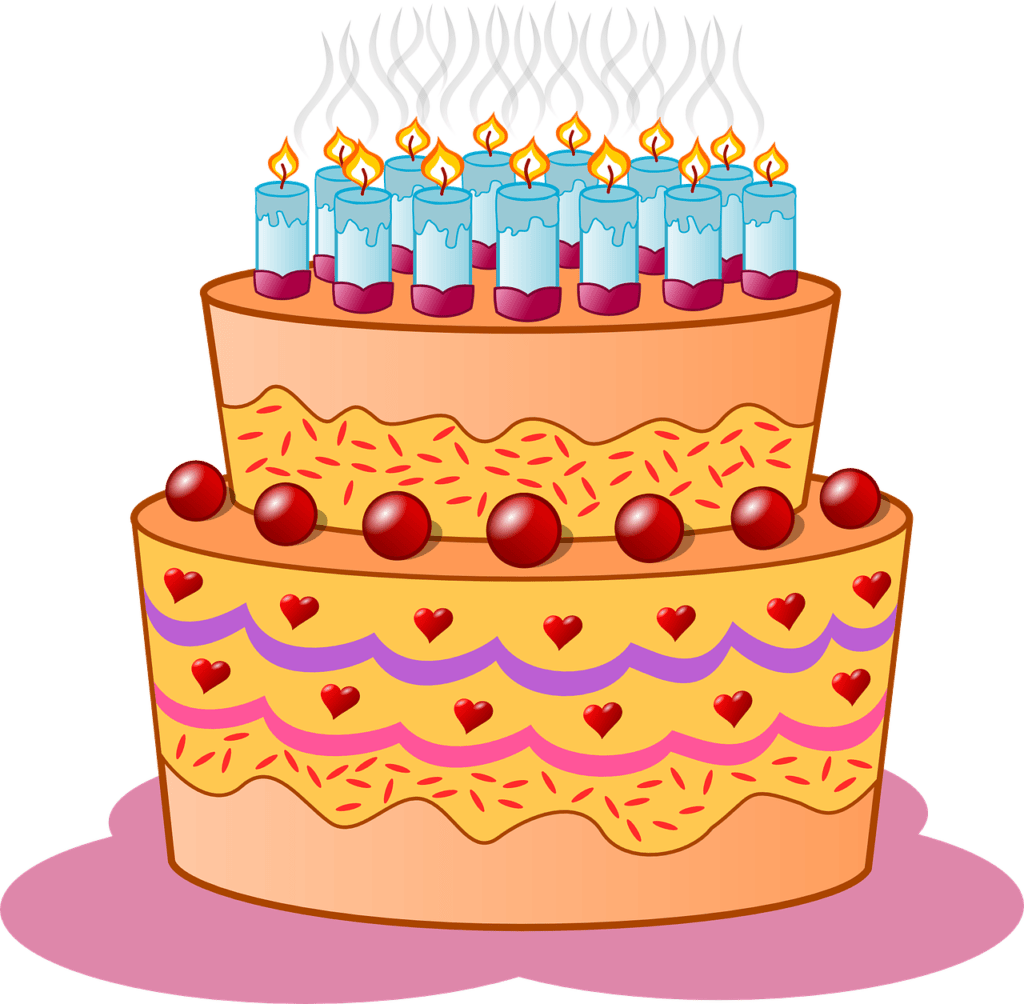
Image by OpenClipart-Vectors from Pixabay
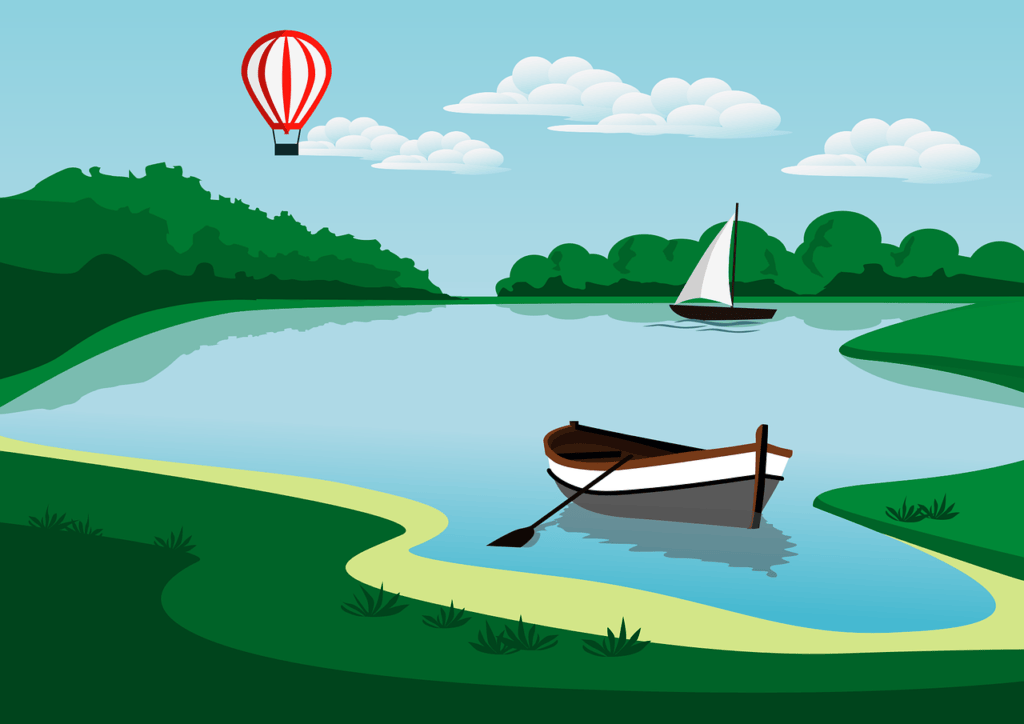
Photo by Andrew Thornebrooke on Unsplash

-Nicole Pagtakhan

Phonics Lesson — Long Vowel A: Combos to stretch out that name!

Lesson #1: 2nd Grade Phonics

Vowels are pretty special and can make so many different sounds! But something else that makes them special is the amount of ways that you can spell the same sound using only one vowel. One of these is the “long a” . The sound a “long a” makes is its name! But there are so many ways that this sound can be made with your spelling! Let’s learn some of these different ways and play a game while we’re at it.

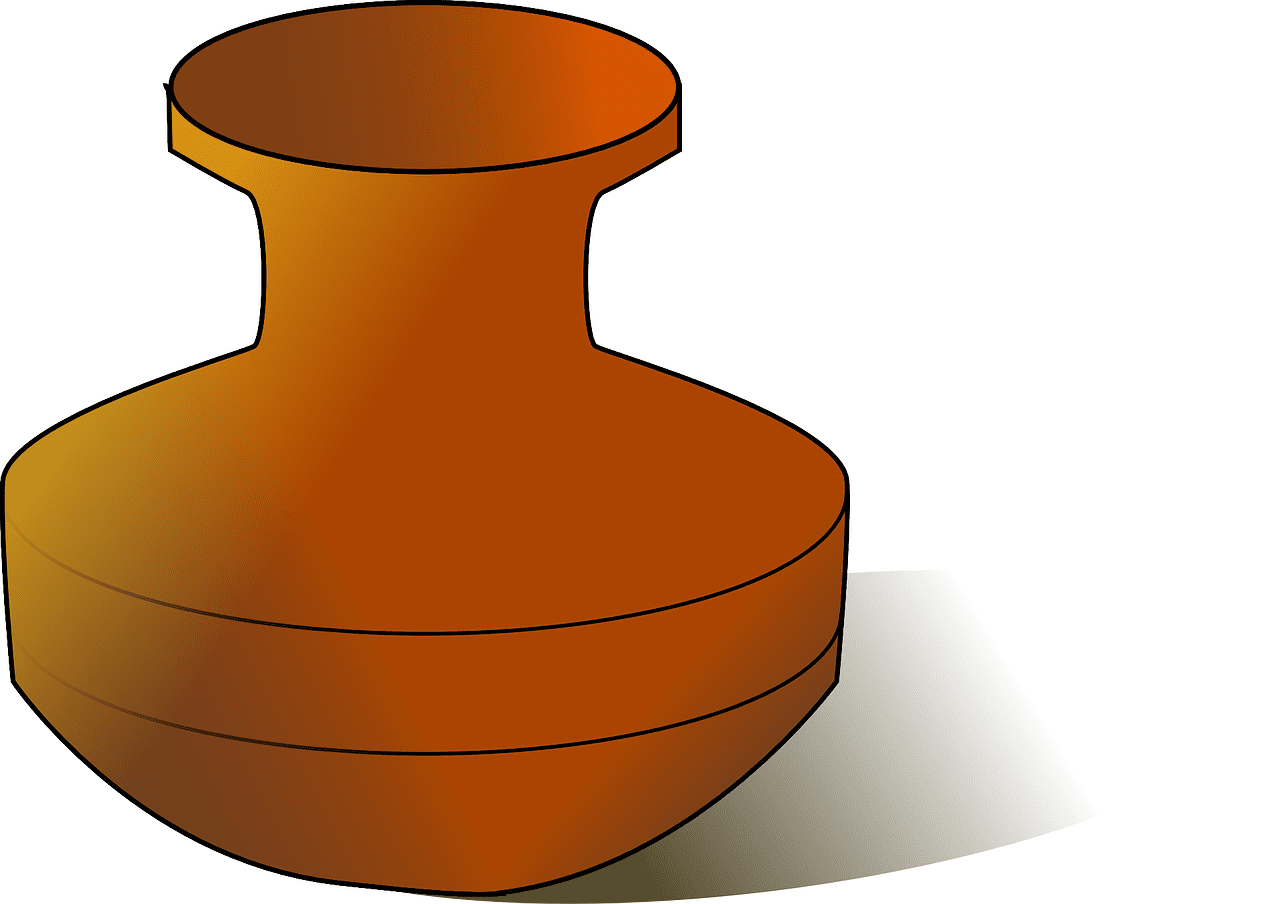
Beyond “a” there are actually a lot of different ways to make the “long a” sound. Can you figure out one way by looking at this group of images? What gives them their “long a”?

If you guessed that they all have an -ay at the end, you would be right! -ay is a special way of making the “long a” sound. The rule for -ay, is that it always is found at the end of a word! So remember, if you hear a “long a” at the end of a word, this may be how to spell it out!

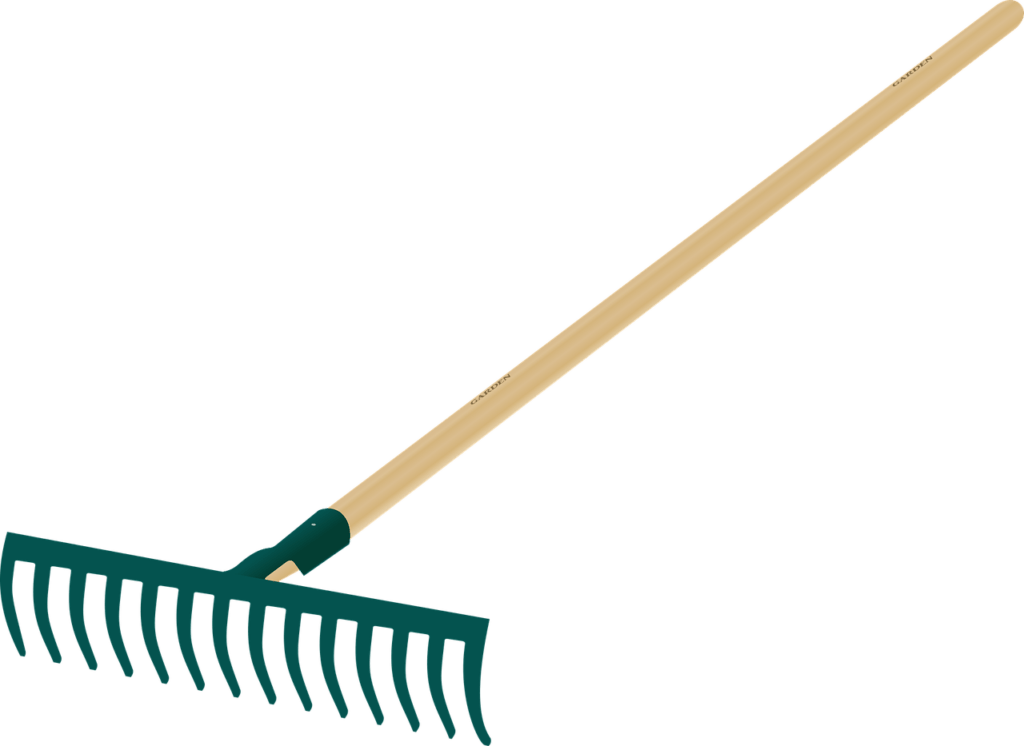
Next, we have a different way to make “long a”, what’s the same about these picture’s and their spelling?

If you guessed that what they have in common is the “magic e” then you’ve almost got it! We call this method of making the “long a” sound “a consonant e” to show us that there will always be a letter between to give us that “long a” sound! On to the next way!

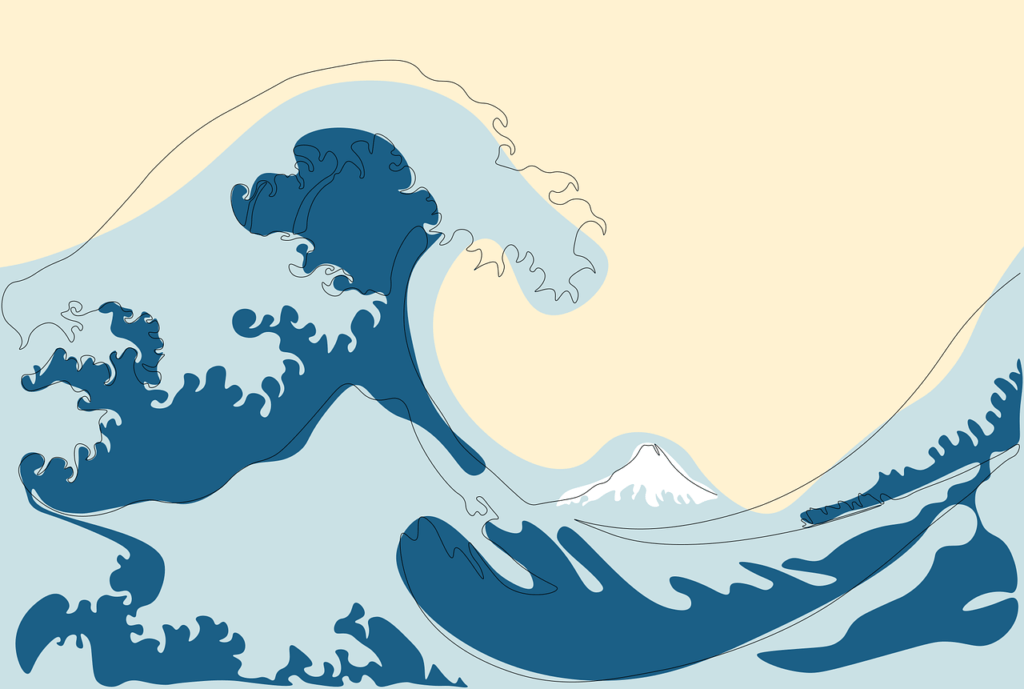
What makes these two objects similar? Certainly not their appearance! But how are they spelled?

If you guessed that both are spelled with an “ai” then you’d be right! “ai” is our last primary way of spelling “long a” and usually comes in the middle of a word! If you’re on the lookout for it, and start to hear that “long a” in the middle of a word, it just may be this one!

Citations:
Cover Image by Gerd Altmann from Pixabay
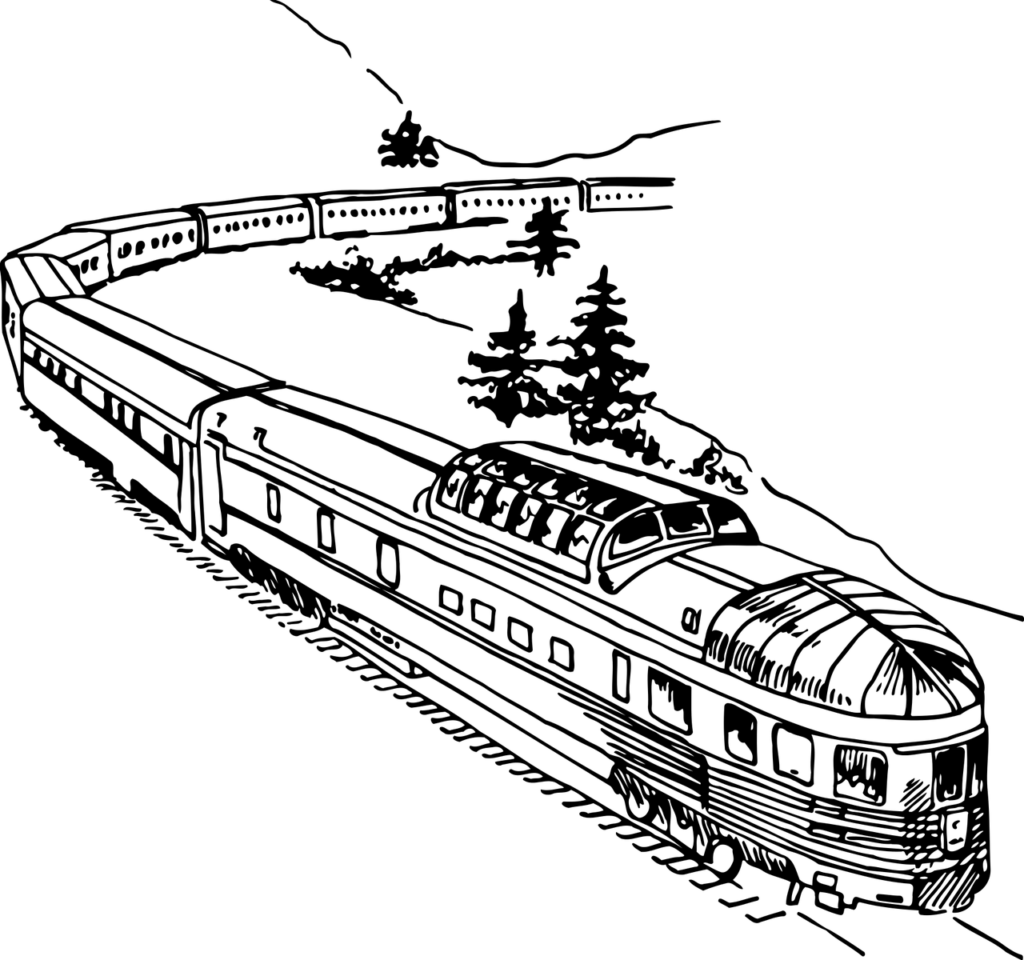
Gallery 1: Hay Image by OpenClipart-Vectors from Pixabay, Ray Image by Dmitry Abramov from Pixabay, Clay Pot Image by Dmitry Abramov from Pixabay.
Gallery 2: Cake Image by Clker-Free-Vector-Images from Pixabay, Lake Image by Łukasz Siwy from Pixabay, Rake Image by OpenClipart-Vectors from Pixabay, Wave Image by Loke from Pixabay.
Gallery 3: Train Image by OpenClipart-Vectors from Pixabay, Rain Image by OpenClipart-Vectors from Pixabay
Any Way You Slice It!

Welcome 3rd Grade!
Students will be able to: identify equivalent fractions and use them to compare fractions.

Let’s Review!
Every fraction has two components: the numerator and the denominator.
The numerator is the top number and tells us how many pieces we have while the denominator tells us how many equal sized pieces we need to make 1 whole.

The numerator (in pink) represents the number of colored in pieces while the denominator (in blue) represents the total number of pieces that make up the whole circle.

What’s an equivalent fraction?
Fractions can be simplified into smaller fractions (lower number numerator and denominator) while representing the same value.

The top image represents the fraction 6/8. The bottom image represents the fraction 3/4. What do you notice about these fractions? Do they represent the same or different amounts?

If you said the pictures show the same amount of shading, you’re right! 6/8 and 3/4 are equivalent fractions! Both represent the same amount of shading when compared to one whole! Equivalent fractions can also be found by multiplying the numerator and the denominator by the same number!

In the second problem, we found that simplifying fractions also shows whether or not two fractions are equivalent. We can simplify fractions by dividing the numerator and the denominator by the same number. For example, 3/15 can be simplified into 1/5 by dividing 3 and 15 by 3.

Knowing equivalent fractions helps with comparing fractions!
We’ve talked before about comparing fractions with like denominators (1/4 compared to 3/4) and fractions with like numerators (2/3 compared to 2/7). But what happens when neither the denominator nor the numerator of either fraction matches? Let’s look at the example below:

Is 1/2 greater than, less than, or equal to 3/8? Use an equivalent fraction to compare.

When it comes to comparing fractions, you can use equivalent fractions as a benchmark. For the above example, maybe you saw that the denominator in 1/2 can be multiplied to be the same denominator in 3/8.

By multiplying the numerator and denominator of 1/2 by 4, you created an equivalent fraction that will make comparing 3/8 easier. And the solution is…3/8 < 1/2!

Great Work! Equivalent fractions make substitution possible without changing the overall amount! In addition to comparison, equivalent fractions can be used in our daily lives! Before we go, what are some activities that you might need to use equivalent fractions for? Hint: What activities require using measurements?

Credits:
Cover Image by joshuemd from Pixabay
Graphics by Author

Food pyramid/chain

Introduction

This lesson is made for 4th graders who are learning about the food pyramid and how it works.

Whenever we learn about animals we all know that there is a hierarchy among animals. We also know that there are two types of animals. Animals that strictly only eat plants are called herbivores such as cows, while animals that eat meat are called carnivores such as lions. There is a third group of animals that eat both plants and animals and they are called omnivores an example of this is pigs.

These are important vocabulary words to know when discussing the food chain because it allows us to know which animals to place on which tier of the food chain.

When building a simple chain we start with the plants then the herbivores and then the ominvores.

Image by Christian B. from Pixabay

Image by Antony Trivet from Pixabay

Image by Antony Trivet from Pixabay