Utilizing AI- Understanding Emotions Lesson

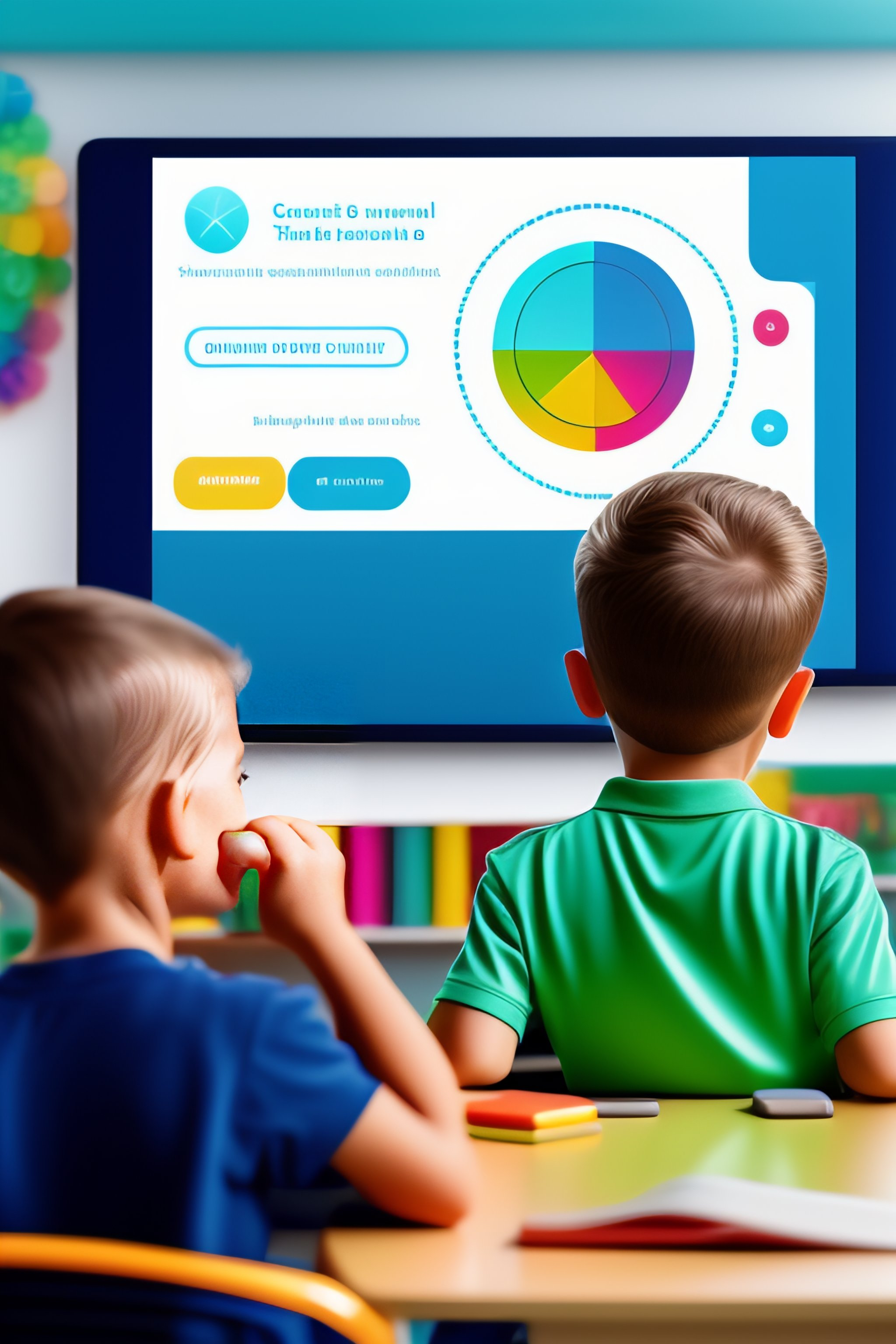
In exploring AI and ChatGPT I chose to ask ChatGPT to “Create a creative and interactive lesson for 4th and 5th graders about understanding emotions that is culturally responsive”. In asking this of ChatGPT it would be interesting to see how they interpret cultural responsiveness and how that might make the lesson different. I also have planned a lesson on this specific subject and wanted to see how the lesson that I created compared to what ChatGPT might offer as a lesson plan.

Here is what ChatGPT offered when asked “Create a creative and interactive lesson for 4th and 5th graders about understanding emotions that is culturally responsive”…

Here’s a lesson plan for understanding emotions that can be adapted for 4th and 5th graders with a focus on cultural responsiveness:

Objective: Students will understand the concept of emotions and be able to identify and express their own emotions in a culturally responsive manner.

Materials:

  • Chart paper and markers
  • Emotion cards (can be made by the teacher or downloaded from the internet)
  • Index cards and pens
  • A large bag or box
  • Examples of culturally diverse books, music, and art that express emotions

Introduction (10 minutes):

  • Ask students to think about times when they felt happy, sad, angry, or any other emotion.
  • Draw a chart on chart paper with four columns labeled “Feeling,” “Facial Expression,” “Body Language,” and “Words.”
  • Explain that emotions can be expressed in different ways across cultures and that it’s important to be culturally responsive when understanding and expressing emotions.
  • Show examples of culturally diverse books, music, and art that express emotions.
  • Ask students to help you fill in the chart by suggesting examples of each type of expression for each emotion from different cultures.

Direct Instruction (15 minutes):

  • Explain that emotions are natural and normal reactions to situations and events in our lives.
  • Use the chart as a visual aid to help students understand the different ways that emotions can be expressed across cultures.
  • Show students the emotion cards and have them sort the cards into categories of “big” emotions (such as happiness, anger, sadness) and “smaller” emotions (such as frustration, embarrassment, excitement).

Interactive Activity (25 minutes):

  • Hand out index cards and pens to each student and ask them to write down a situation or event that has made them feel a strong emotion.
  • Have students take turns sharing their situations and the emotions they felt.
  • As students share, have the class brainstorm and write down the different expressions (facial, body language, words) that might accompany that emotion across cultures.
  • Place the index cards in a large bag or box and mix them up.
  • Have students take turns drawing a card from the bag and acting out the emotion described on the card, considering cultural differences in expression.
  • As a class, try to guess the emotion the student is acting out, considering cultural differences.
  • Discuss any similarities and differences in expression of emotions across cultures.

Conclusion (10 minutes):

  • Review the chart on chart paper, pointing out how emotions can be expressed in different ways across cultures.
  • Emphasize the importance of understanding and expressing emotions in a culturally responsive manner.
  • Encourage students to continue to practice identifying and expressing their emotions in a culturally sensitive way.

Assessment: Observe students during the interactive activity and take notes on their ability to identify and express emotions in a culturally responsive manner. Provide individual feedback and support as needed. Encourage students to share their perspectives and respect different cultural expressions of emotions.

My Personal Takeaways: I think that AI can be useful for teachers as a starting point to generate ideas for lessons. In comparing my own lesson to what ChatGPT offered there were many similarities in concepts and activities. I think this can be a great way to generate ideas and adapt lessons that AI can create to the individual needs of your classroom.

Image Credits

Featured Image: Image by Gerd Altmann from Pixabay

Where is the person in AI?

Artificial Intelligence (AI) has the capability of having both a positive and a negative influence on today’s society, specifically on the effort and genuiness of our work. I can see both pros and cons for AI, and I can see how it could be utilized in the classroom (for fun classroom activities and so on), but it is my belief that we should not allow it to become the standard of teaching. AI should be used as a tool to bring out the best in teaching, instead of it being a replacer for teaching. Utilizing ChatGPT, I inserted the prompt: “Spanish test for students in high school”. Although this is a vague concept, and with more wording could focus more on specific topis being taught at the time, I present the result of this prompt.

Instrucciones: Lea cada pregunta cuidadosamente y seleccione la respuesta correcta.

  1. ¿Cómo se dice “good morning” en español? a. Buenas noches b. Buen día c. Buenas tardes
  2. ¿Cuál es el plural de “libro”? a. Libros b. Libroes c. Libroos
  3. ¿Cómo se dice “I am from” en español? a. Yo soy de b. Yo estoy de c. Yo vengo de
  4. Complete la siguiente frase en español: “Me gusta el __________” a. perro b. gato c. agua
  5. ¿Cuál es el verbo “to be” en español? a. Ser b. Estar c. Hacer
  6. ¿Cómo se dice “How old are you?” en español? a. ¿Cuántos años tienes? b. ¿Cuántas edades tienes? c. ¿Cuánta edad tienes?
  7. ¿Cuál es la traducción correcta de “I have a dog” en español? a. Tengo un perro b. Tengo un gato c. Tengo un agua
  8. Complete la siguiente frase en español: “El niño juega con la __________” a. pelota b. gato c. libro
  9. ¿Cómo se dice “What is your name?” en español? a. ¿Cuál es tu nombre? b. ¿Cómo se llama usted? c. ¿Cuál es su nombre?
  10. ¿Cuál es el verbo “to eat” en español? a. Comer b. Beber c. Vivir

Respuestas:

  1. b. Buen día
  2. a. Libros
  3. a. Yo soy de
  4. a. perro
  5. a. Ser
  6. a. ¿Cuántos años tienes?
  7. a. Tengo un perro
  8. a. pelota
  9. a. ¿Cuál es tu nombre?
  10. a. Comer

-ChatGPT

Some Negatives of AI in Education

The result from ChatGPT seems pretty standard, and there does not seem to be anything wrong with utilizing AI as a tool to assist educators. The issue that may come from this is people that are not equip with the correct tools or knowledge to be able to teach students, and basing the standards of education based on AI. Although this is not a usual test that would be used in a high school setting, nor is it helpful for students to really learn, an issue that arises from this is the lack of genuinity from educators. It is my belief (as everything being written right now is merely a belief, and not a statement of action that educators should follow) that educators should connect with students, not merely superficially, but knowing them as a part of a community. Knowing students instead of merely knowing about them. Artificial intelligence should never take the role of the educator, and it should not be viewed as a “free getaway” from work, and coming up with activities and projects that may be meaningful to students.

Some Positives of AI in Education

Although I am quite skeptical of AI in classrooms, it would be foolish to not see the value that it may have in classrooms, and how valuable of a tool it can be to educators. Since AI should not be the replacement for the educator, it can still function as a perfect tool to connect with families and students alike.

Above is a good website that focuses on some of the examples of how AI can impact classrooms. If you have families and communities from diverse backgrounds, AI could be helpful to be able to connect with them and keep them in the loop of what is occurring at schools. It can also create opportunities for families and communities get more involved in a school setting. It creates a more accesible and inclusive setting for students and families to connect with education, and it allows more opportunities for the educator to connect more deeply with their students.

Overall Opinion

I think that Artificial Intelligence can be used as a helpful tool for people in the education system, but it must be controlled as to not overtake the role of teaching. Education has an incredibly personal level of interaction with people, and if we rely to heavily on technology to educate and connect with people, then what is the true use of an educator. We must also focus on making it culturally responsive and truly make it equitable for students. What occurs for students that do not have access to technology at home (that yes, even though it seems like a far concept in todays world, it is still very much present in schools), what about reaching students at the levels of education that they are at as well? How can we create an activity or assignment, or use AI, when it can become very bias towards one perspective, and does not allow for multiple perspectives or voices to be heard in our classrooms. These are reasons why I believe it should be a tool, and people should be taught how to use it adequately, so it does not become a cheat for educators to make their job “easier”, when it reality it becomes “lazier”.

Credit:

Image by 0fjd125gk87 from Pixabay

Image by OpenClipart-Vectors from Pixabay

Will the Weather, Weather my clothes?

Featured Image by cromaconceptovisual from Pixabay

Will the weather, weather my clothes? A confusing sentence but one that is important for our young students to unpack and appropriately ask themselves as they become more independent and in charge of dressing themselves.

The first thing to do is to decipher the text. The word weather refers both to the temperature and state of the atmosphere outside AND the act of something wearing away or changing in texture due to the exposure of something, for example, the weather outside.

In conducting this lesson with Kindergarteners, the goal is for students to complete the activity with the confidence of choosing the appropriate attire for any day’s weather.

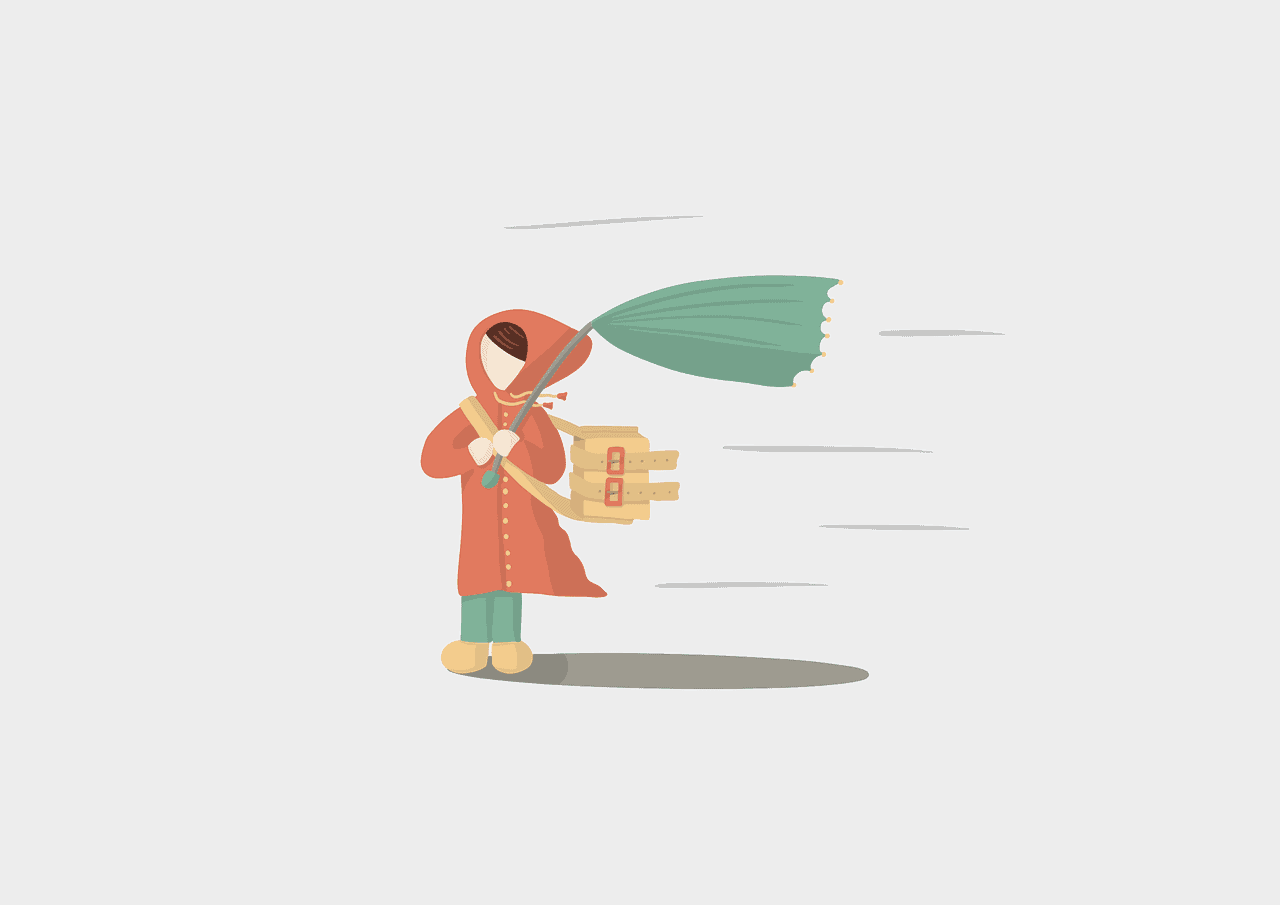
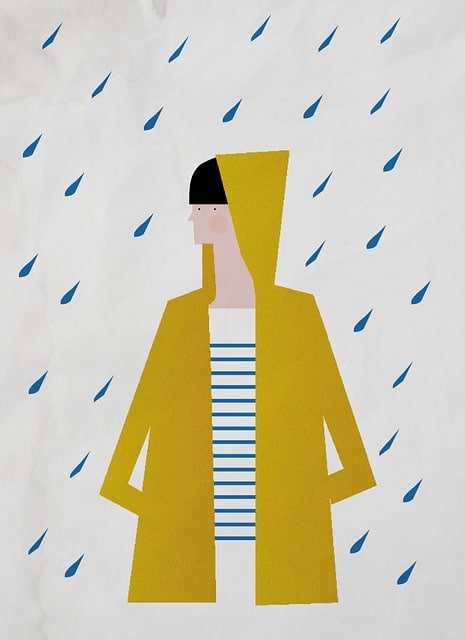
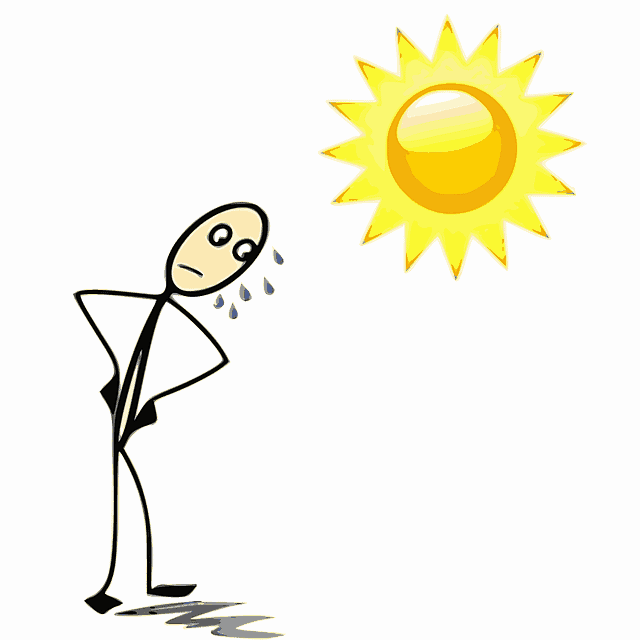
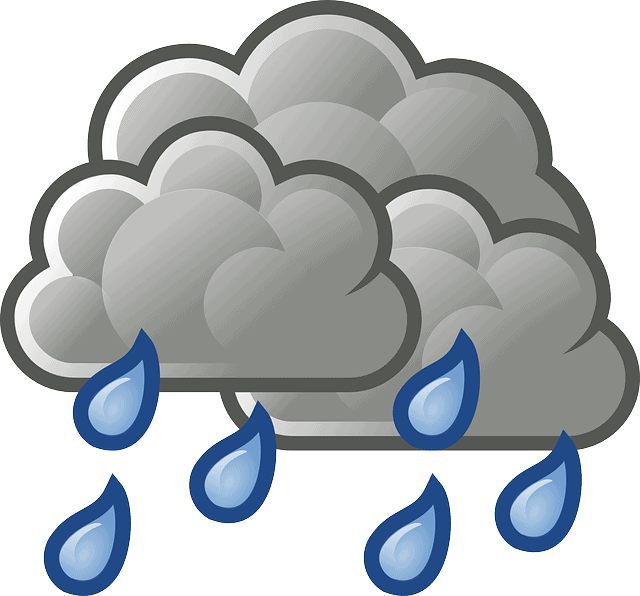
Teachers should begin the lesson by asking students to look outside and SEE what the weather looks like today. Is it so bright you have to cover your eyes from the sun? Are the trees swaying back and forth in the wind? Perhaps they can also describe how it FEELS when they stepped outside this morning. Were you holding yourself close to hide from the cold? When you looked down at your feet, was the ground wet and covered in puddles?

Next, have students share what they are wearing and how it helps them stay protected and comfortable in today’s weather. Ask them if they think they would feel comfortable and happy if they wore clothes unsuitable for the weather. For example, if it is snowing ask if their feet would stay warm in sandals, or if it is sunny with no clouds, perhaps wearing a big fluffy jacket would keep them cool. Encourage your students to explain why they would or would not choose to wear certain clothing in particular weather.

For the lesson’s activity, display photos of different weather or symbols that represent the weather, and varying articles of clothing. Have students find a partner and create complete outfits using the items of clothing shown, and match them to the appropriate weather they can be worn in. After, ask pairs to share one of the outfits they created and for what weather they chose. Once shared, you can ask the class if their choices would help keep the person wearing them comfortable and happy. Would the weather, weather their clothes?

Slideshow 1 links: Sunny https://pixabay.com/vectors/sun-cloud-sky-sunrays-sunlight-346710/ ; Cloudy https://pixabay.com/vectors/cloud-cloudy-gray-sky-weather-149827/ ; Rain https://pixabay.com/vectors/rain-heavy-rain-cloudy-rainy-drops-98538/ ; Snow https://pixabay.com/vectors/cloud-snow-flakes-winter-weather-306404/

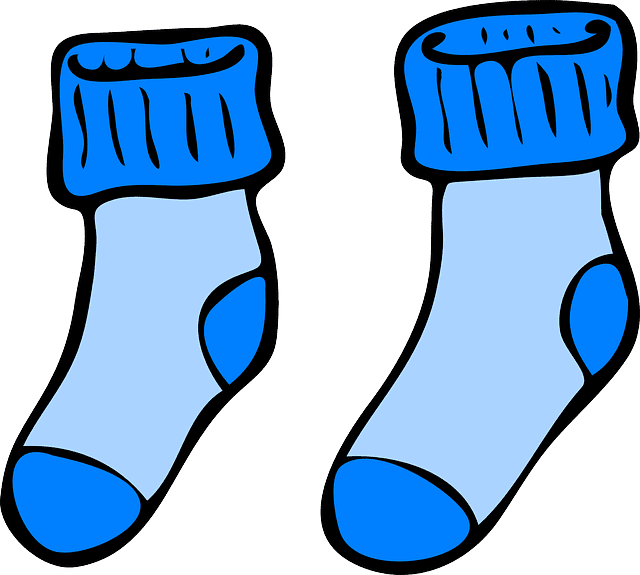
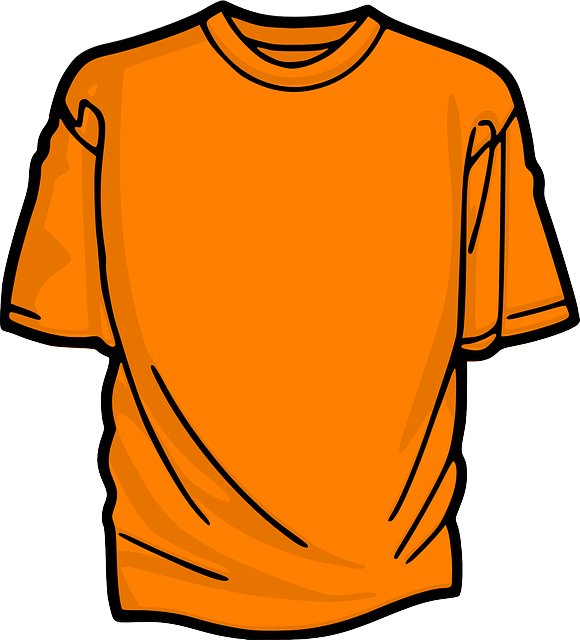
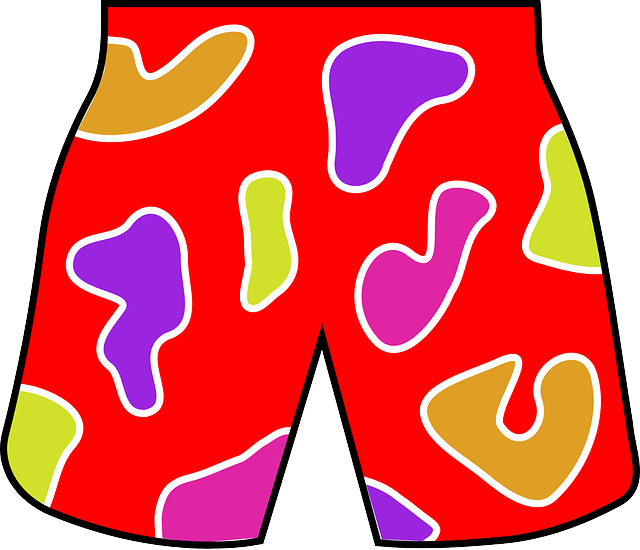
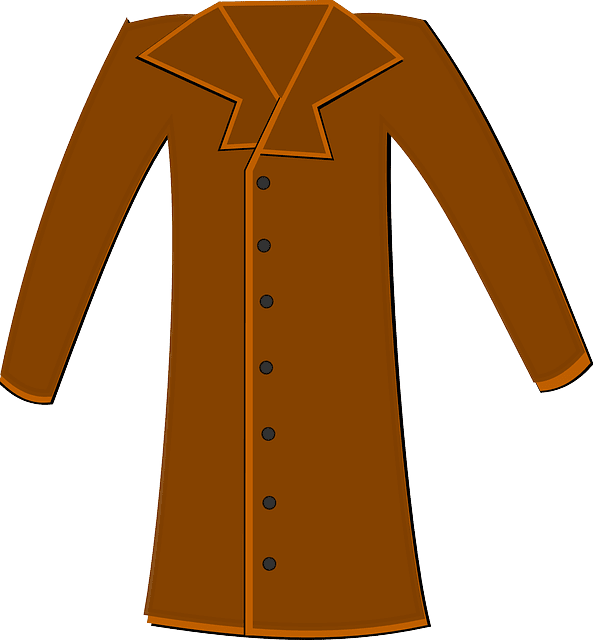
Slideshow 2 links: Sweater https://pixabay.com/vectors/clothes-clothing-pullover-shirt-1294933/ ; Socks https://pixabay.com/vectors/socks-winter-warm-blue-wool-baby-306802/ ; Flipflops https://pixabay.com/vectors/flip-flops-bathing-shoes-beach-shoes-298723/ ; Raincoat https://pixabay.com/vectors/coat-jacket-overwear-raincoat-6260282/ ; T-Shirt https://pixabay.com/vectors/t-shirt-front-short-orange-306168/ ; Shorts https://pixabay.com/vectors/shorts-beach-clothing-summer-149409/ ; Pants https://pixabay.com/vectors/clothes-clothing-hose-trousers-1294974/ ; Dress https://pixabay.com/vectors/cloth-clothing-dress-female-frau-1294908/ ; Jacket https://pixabay.com/vectors/coat-clothing-long-fashion-winter-310158/ ; Scarf https://pixabay.com/vectors/scarf-clothing-fashion-cloth-6212163/ ; Sunglasses https://pixabay.com/vectors/sunglasses-glasses-purple-summer-159705/ ; Sneakers https://pixabay.com/vectors/shoes-tennis-sport-racket-2835012/

Chat GPT for Teachers: Innovation That Excites

This is a rough digital lesson plan format that Chat GPT produced when I asked: produce a lesson plan format that I can use digitally every week for the following subjects: reading, science, social studies, religion, and math in table form.

SectionDescription
I. Introduction
Date[Insert date]
Subject[Reading, Science, Social Studies, Religion, or Math]
Objectives[List specific learning goals for the lesson]
Materials[List any materials needed for the lesson]
II. Warm-Up[5-10 minutes]
Activity[Brief description of the warm-up activity to engage students]
Purpose[Explain the purpose of the warm-up activity and how it relates to the lesson objectives]
III. Main Activity[30-45 minutes]
Content[Brief description of the main content to be covered during the lesson]
Teaching Strategy[Describe how you will teach the content and engage students in learning]
Assessment[Describe how you will assess student understanding of the content]
IV. Review and Closure[5-10 minutes]
Summary[Brief summary of the main content covered in the lesson]
Reflection[Opportunity for students to reflect on their learning and ask questions]
V. Homework[Assign relevant homework that reinforces the content covered in the lesson]
VI. Notes[Any additional notes or observations from the lesson can be recorded here for future reference]
https://chat.openai.com/chat

I then followed that lesson plan format up with: using this format of a lesson plan, make me a science lesson for 1st graders about learning the differences between opaque, transparency, translucency and follow it with a scavenger hunt activity that requires the students to pair up with a partner and find objects in the room that are examples of each. It generated: (this is a lesson I observed earlier today)

I. Introduction:

  • Date: [Insert date]
  • Subject: Science
  • Objectives:
    • Students will be able to define opaque, transparent, and translucent objects.
    • Students will be able to identify objects in the room that are examples of each.
  • Materials:
    • Examples of opaque, transparent, and translucent objects (e.g. a book, clear plastic container, and frosted glass)
    • Scavenger hunt worksheet (one per pair of students)

II. Warm-Up:

  • Activity: Introduction to Opaque, Transparent, and Translucent Objects
  • Purpose: To engage students in learning about the differences between opaque, transparent, and translucent objects and to provide background knowledge for the scavenger hunt activity.

III. Main Activity:

  • Content: Students will learn the definitions of opaque, transparent, and translucent objects.
  • Teaching Strategy: The teacher will show the students the examples of opaque, transparent, and translucent objects and ask the students to guess which one is which. The teacher will then explain the definitions of each and show additional examples.
  • Assessment: The teacher will ask questions throughout the lesson to check for understanding and ask students to give their own examples of each type of object.

IV. Review and Closure:

  • Summary: The teacher will review the definitions of opaque, transparent, and translucent objects and ask the students to give an example of each.
  • Reflection: The teacher will ask the students to think about how they can use this new information in their everyday lives.

V. Homework:

  • Assigned: The students will draw a picture of an opaque, transparent, and translucent object and write a sentence about each.

VI. Main Activity:

  • Content: Scavenger Hunt
  • Teaching Strategy: Students will work in pairs to complete a scavenger hunt worksheet that requires them to find objects in the room that are examples of each type of object.
  • Assessment: The teacher will check the students’ worksheets to ensure that they have found appropriate examples of each type of object.

Using Chat GPT for creating data collection on student behavior.

I asked it to: produce a table that evaluates behavior for each student in a class of 20 that I can use to collect data on the individual students.

Student NameDateClass PeriodBehavior Evaluation
[Student 1][Insert Date][Insert Class Period][Insert Evaluation (e.g. Excellent, Good, Fair, Poor)]
[Student 2][Insert Date][Insert Class Period][Insert Evaluation (e.g. Excellent, Good, Fair, Poor)]
[Student 3][Insert Date][Insert Class Period][Insert Evaluation (e.g. Excellent, Good, Fair, Poor)]
https://chat.openai.com/chat

I really enjoyed using chat GPT, especially the ease of using the software without too much instructions. As long as I provide the general information regarding what I want, it provides a great number of responses and tables that answers my prompt perfectly. I always find it extremely cool that I can continue on with the conversation as if it is a person. For example, I first asked Chat GPT my first prompt to just create the lesson plan. After it generated the response, I went back and added “In a table format” right after, without any other prompts, and it put the exact lesson plan into a table. This is very intuitive, and I find it to be very advanced and groundbreaking for future teachers.

I told Lexica to: create an image that portrays the future of technology in an elementary education classroom.

AI in the Classroom — Many Ideas for Uses!

Hi everyone, this is Nicole Pagtakhan ! I was playing with a few different ideas for what I wanted to post about, and I found a few interesting uses for some of these websites, plus I wanted to share some things I noticed while using some of the different AI. I mainly used ChatGPT because it was the easiest one to use, with a sprinkle of Lexica Aperture and DALL·E for images.


SEL Lesson: Taking Care of Yourself by Chatgpt

Here is an SEL (Social and Emotional Learning) lesson plan for 2nd grade students about taking care of themselves and their emotions:

Objective: Students will understand the importance of self-care and learn strategies for managing their emotions.

Materials:

  • Chart paper and markers
  • Copies of a simple self-care activities list (such as taking deep breaths, going for a walk, listening to music, etc.)
  • A stuffed animal or toy for each student

Introduction (10 minutes):

  1. Start by asking students what they do when they are feeling upset, happy, or overwhelmed.
  2. Write their responses on chart paper, grouping them into categories (e.g. physical activities, talking to someone, etc.).
  3. Explain to students that taking care of themselves and managing their emotions is important for their well-being.

Direct Instruction (15 minutes):

  1. Pass out the self-care activities list to each student.
  2. Have students work in small groups to identify the activities that would help them when they are feeling upset or overwhelmed.
  3. Have each group share one or two of their chosen activities with the class.
  4. Explain to students that it is okay to take breaks and engage in self-care activities whenever they need to.

Guided Practice (15 minutes):

  1. Give each student a stuffed animal or toy.
  2. Have students pretend that their stuffed animal is feeling upset.
  3. Ask students to use one of the self-care activities they learned to help their stuffed animal feel better.
  4. Encourage students to share what they did with the class.
  5. Repeat the activity with different emotions (e.g. happy, overwhelmed).

Conclusion (10 minutes):

  1. Recap the importance of self-care and managing emotions.
  2. Remind students that it is okay to take breaks and engage in self-care activities whenever they need to.
  3. Encourage students to practice the self-care activities they learned in class.
  4. Have students reflect on the activity by writing or drawing about what they learned.

Evaluation: Observe students during the lesson and listen to their responses during the discussions. Collect their written reflections to gauge their understanding and comprehension of the lesson.


Telling Time by chat gpt

I’m helping 2nd graders learn to read an analog clock, and a common mistake I’ve seen is that students are reading the wrong hands to point out time. Here are the prompts I put into ChatGPT, and the answers that I received which could be helpful for my students.

Prompt: “How can I help 2nd grade students learn which hand on an analog clock is for hours and which hand is for minutes?”

ChatGPT:

Here are a few strategies to help 2nd grade students learn which hand on an analog clock is for hours and which hand is for minutes:

  1. Use analog clocks to practice telling time. Encourage students to point to the hour hand and minute hand and name them.
  2. Use mnemonic devices to help students remember which hand is which. For example, you can teach them that the “long hand” is for minutes and the “short hand” is for hours.
  3. Use visual aids like pictures or diagrams to help students understand the concept. Draw a simple clock face and label the hands, then have students practice matching the hands to the correct labels.
  4. Play games like “What time is it?” to reinforce the concept. Have students take turns holding up a clock with hands set to a specific time, and have the other students guess what time it is based on the position of the hands.
  5. Make it interactive by allowing students to create their own clocks or even construct a large analog clock in the classroom.

By using a combination of these strategies, you can help 2nd grade students understand which hand on an analog clock is for hours and which hand is for minutes.

Prompt: “What other mnemonic tricks can I use?”

ChatGPT:

Here are a few additional mnemonic devices to help 2nd grade students remember which hand on an analog clock is for hours and which hand is for minutes:

  1. “High Five” – The hour hand is for hours, and you give someone a “high five” with your hand, so it should be shorter.
  2. “Hugs and Kisses” – The hour hand is for hours, and you give someone a hug or a kiss with your hand, so it should be shorter.
  3. “Hey, Big Hand!” – The minute hand is for minutes and it’s the “big hand” that’s pointing to the minutes, hence “Hey, Big Hand!”
  4. “Mr. Long Arms” – The minute hand is for minutes and it’s the “Mr. Long Arms” that reaches for all the minutes on the clock.
  5. “Two Hands Together” – The hour and minute hand both meet together at the 12 o’clock mark, so use the phrase “Two hands together” to remember that the hour hand is shorter.

These mnemonics can be fun and memorable for 2nd grade students, helping them remember the difference between the hour and minute hand on an analog clock.

(I wasn’t satisfied with the mnemonics it gave me, so I went to Perplexity AI and asked for more just in case. )

Prompt: “What are mnemonics that can help 2nd graders know on an analog clock which hand is for hours and which hand is for minutes?”

Perplexity AI:

One mnemonic that can help 2nd graders know on an analog clock which hand is for hours and which hand is for minutes is “The Short Hand Shows the Hours” or “The Hour Hand Touches the Tip of the Large Numbers”[3][4][5] . This mnemonic emphasizes that the hour hand is shorter than the minute hand[1][2], and that it points directly at a number to indicate the hour[2]. The minute hand, meanwhile, is longer and moves between numbers to indicate minutes[1].


Reflections from using AI
  • Phrasing matters a lot — I wanted to compare the inputs of “cute cat” versus “kawaii neko” in Lexica Aperture, and these are the results I got.
Look at the difference between “kawaii neko” and “cute cat”!
  • For the SEL lesson, I feel like the lesson is usable, personally I would change a lot of things but this is a good place to start. This would be good for teachers who don’t have a specialty in SEL or are just learning about SEL.
  • Definitely use for mnemonics! I have a hard time coming up with creative ways to reinforce these ideas but for sure these will be helpful! In class I was trying to ask the AI to make songs too but it didn’t work out as nicely.
  • If you look up “AI art” on the image websites, you either get something kind of cool (my featured image!) or something cursed and cryptid-esque.


Image Credits

Image created with Lexica Aperture with prompt: “kawaii neko”

Image created with Lexica Aperture with prompt: “cute cat”

Image created with DALL·E with the prompt: “AI art”

-Nicole Pagtakhan

“Artificial Intelligence in the Classroom: Bringing Minds Together, One Byte at a Time” -ChatGPT, the machine that chooses not to divide by 0.

The Big One

  1. About AI:
    I think that AI is an interesting Critical thinking/Complex problem solving instrument that requires those using it to really grapple with what they’re trying to get out of the AI in order to produce proper results. With that being said, if you just punch in an equation (unless it’s incredibly simple, or you as the operator are incredibly trusting…) can easily lead someone down the wrong rabbit hole of information. Especially in tools such as ChatGPT which uses the memory it reads from the current instance/conversation, such errors can begin to compile and lead to a deeper pit than they originally started in. All that aside, I do see the value that AI can have in a classroom as it can be used as an idea generator or advanced search for instructions and procedures. In other words, it’s useful in theory but all its responses should definitely be taken with a grain of salt.
    On a side note, I figure that students may try to use AI to do their work for the which proposes its own set of issues for both student and teacher alike. For instance, the student who writes their assignments with AI will be critically ill-prepared to perform during assessments of most kinds, and may learn significantly less from the experience than a student who wrote the essay themselves and put in all the work behind the traditional process. Next there’s the teachers who will need to be ever vigilant to weed through assignments and gain an “eye for counterfeit” and differentiate work created traditionally and that created by an AI.
  2. AI Created Lesson – ChatGPT
  3. Lesson Title: “Phonics-tastic Adventure: The Long and Short of Vowels”
  4. Objectives:
  5. Students will be able to identify long and short vowel sounds with ease.
  6. Students will be able to apply their knowledge of long and short vowels to spell words with accuracy.
  7. Students will engage in a fun and interactive learning experience.
  8. Materials:
  9. Chart paper and markers
  10. Word cards with long and short vowel sounds (e.g. “hat,” “ate,” “ate”)
  11. Whiteboard and dry-erase markers
  12. Beanbags or soft objects
  13. Secret ingredients: A big smile, a positive attitude, and a sense of humor!
  14. Introduction (5 minutes):
  15. Review the five vowels (A, E, I, O, U) with the class and get them excited!
  16. Ask the students if they know what long and short vowels are and if they have any guesses on what the secret ingredients are.
  17. Write “long vowels” and “short vowels” on the chart paper and ask the students to give examples of each with a corny joke, for example: “Why did the long ‘a’ go on a date with the short ‘e’? Because they both wanted to be together for a-least a little while!”
  18. Direct Instruction (10 minutes):
  19. Write a word on the whiteboard with a long vowel sound (e.g. “cake”).
  20. Ask the students to repeat the word slowly, stretching out the vowel sound (e.g. “caaake”).
  21. Write a word on the whiteboard with a short vowel sound (e.g. “cat”).
  22. Ask the students to repeat the word slowly, noticing the short vowel sound (e.g. “cat”).
  23. Repeat this process for each of the five vowels, adding corny jokes and humor along the way!
  24. Guided Practice (15 minutes):
  25. Hand out word cards to each student.
  26. Instruct the students to sort the word cards into piles based on long or short vowel sounds, “just like sorting your favorite snacks, you want to put the right vowels in the right pile!”
  27. After they have sorted the cards, have them share their findings with a partner, “partner up, it’s always better to learn with a friend!”
  28. Independent Practice (15 minutes):
  29. Divide the class into small groups.
  30. Give each group a set of word cards and a beanbag or soft object.
  31. Instruct the students to take turns reading a word from the card and throwing the beanbag or soft object to a designated spot in the room based on whether the word has a long or short vowel sound, “let’s see who can hit the bullseye of vowel sounds!”
  32. Repeat this activity several times, adding corny jokes and humor to keep the students engaged.
  33. Conclusion (5 minutes):
  34. Review the long and short vowel sounds with the class.
  35. Ask the students to share what they learned during the lesson, “what a phonics-tastic adventure!”
  36. Write a few words on the whiteboard with long and short vowel sounds and ask the students to read them and identify the type of vowel sound, “let’s put our knowledge to the test!”
  37. Assessment: Observe the students during the independent practice activity and their participation in the class discussion. Use their sorting and reading of words during the independent practice to informally assess their understanding of long and short vowel sounds. “

Reflection on AI Use: I used ChatGPT to create this lesson plan, as well as the title of this post using the prompts “Create a simplistic, active, engaging lesson plan for 2nd grade students about the phonics behind long and short vowels including corny jokes and several “secret ingredients” for the lesson plan, and “give me the most witty and funny title for a paper about AI use in the classroom.” I wanted to test out its differentiation to lesson plans when you splash a little bit of color into the descriptions of what you want and though it wasn’t as joke-filled as I had hoped, I think that it turned out really nice. The title came out the first time pretty good though.

I used Lexica.art/aperture to create the cover image by inputting “Junji Ito Mnt. Fuji” with varying results, but I enjoy the aesthetic of this one specifically despite its massive size. I was expecting something a little more black and white but this was a nice outcome of it mis-representing the prompt

Citations:
chat.openai.com
lexicon.art/aperture

Kindness Lesson – created by ChatGPT

Created by Lexica with prompt “children showing kindness in a classroom”

Lesson Plan: Unit on Kindness for First Grade Students

Objective: Students will understand the importance of being kind to others and how to demonstrate kindness in their daily lives.

Materials: Chart paper, markers, index cards, Play-Doh, kindness quote posters

Introduction (10 min):

  • Start by asking the students what they think the word “kindness” means. Write down their responses on chart paper.
  • Share a quote about kindness and discuss why it is important to be kind to others.
  • Introduce the unit on kindness and explain the activities they will be doing to learn more about it.

Activity 1 (20 min): “Kind Acts”

  • Hand out index cards to each student and ask them to think of one kind act they can do for someone in their class or family.
  • Have the students share their ideas with a partner and then share a few of their ideas as a whole group.
  • Write the ideas on chart paper and post it in the classroom for reference.

Activity 2 (30 min): “Kindness Sculptures”

  • Give each student a ball of Play-Doh and ask them to create a sculpture that represents kindness.
  • Have students share their sculptures with the class and explain what it represents and how it shows kindness.
  • Encourage students to give compliments and express appreciation for each other’s creations.

Closure (10 min): “Kindness Quotes”

  • Hang kindness quotes around the room and ask students to walk around and read them.
  • Have students choose one quote that resonates with them and discuss why they chose it.
  • End the lesson by reiterating the importance of kindness and how they can show it in their daily lives.

Assessment:

  • Observe the students’ participation in class discussions and activities.
  • Collect and assess the index cards with their ideas for kind acts.
  • Look at the kindness sculptures and listen to students’ explanations of what they represent.
  • Evaluate students’ responses to the kindness quotes.

This lesson was created by ChatGPT with the prompt “Create a lesson plan for a unit on kindness that includes a variety of activities and assessments for first grade students”.

I really like the lesson the ChatGPT created and I think it could be easily implemented in my field experience class. It lacks some specific details like the quotes that could be used but is great for a basic lesson outline. It came up with creative activities like the play-doh idea.

How Mountains Are Born

This lesson is for 4th and 5th graders and combines the subjects geography and ELA.

Students will start by reading part of a text about how mountains are formed.

The teacher will then generate with students a list of the key ideas for how mountains are formed, as well as a few examples or details of those ideas provided in the text.

Afterward, students will think about other mountains they know of that are not listed in the text. The teacher will create a list with students of these mountains.

Students will then get into small groups and do research to come up with two to three mountains from around the world that fit into the different categories of the key ideas discussed as a whole class (how mountains are formed).

Citations:

Photo by Rohit Tandon on Unsplash

Photo by Mark Tuzman on Unsplash

Photo by Karsten Winegeart on Unsplash

Photo by aditya anjagi on Unsplash

Photo by Andreas Gäbler on Unsplash

Photo by Bruce Irving on Unsplash

My Winter Break

My winter break this year was not something I would call uneventful nor full of surprises. However, it did have moments of pure bliss (to me at least) that I think are worth highlighting.

To start, I completely got stuck in Portland’s snowstorm!

My original plan was to go to work on Friday, December 23, and head straight to the airport for my 9:15 pm flight. It ended up being that none of this happened; both work and my flight were canceled, leaving me alone in my house with a blanket of snow covering my yard and the streets outside.

For a while, we thought I would not make it home for Christmas. But after many calls with different airlines, my mom got me on a plane home to California. I was happy to have made it in time to celebrate Christmas with my mom and doggies, but very much enjoyed my first-ever White Christmas at my home in Portland.

After finally making it home on the night of Christmas Eve (after almost missing my connecting flight because my first one left an hour late to wash the plane’s windows AND having to return to the airport 3 hours later to pick up my luggage that they had not gotten onto my second flight), I was able to enjoy the simple pleasures planned for the break.

My family is big on amusement parks so while I was home, we visited 3: Disneyland, Universal Studios, and Magic Mountain.

When we were not spending the day at theme parks, my mom and I were home making charcuterie boards and watching “The Best Man: The Final Chapter,” an 8-episode series that revisits movies “The Best Man” and “The Best Man Holiday.” These are movies I absolutely love and was ecstatic to learn they were coming out with a show for them.

The last thing I want to share that I did over break is I completed a 1500-piece puzzle. It included different posters of Mickey Mouse movies/short films and was stationed on our dining room table the entire 2 weeks I was home.

Though the start of my winter break was stressful – and very cold – it all came together and was a great time for relaxing and spending time with my family.

Weather Report

Weather Report – Kindergarten Science Activity

Image by Pexels from Pixabay

  1. For the first part of the activity, the whole class will be working together to identify the weather conditions of a given image.
  2. The teacher will start the activity by asking the students to generate a list of weather terms (cloudy, sunny, snowy, etc.)
  3. Next, the teacher will ask students to identify the weather conditions of each image in a set (pictured below).

Image by NatureFriend from Pixabay

Image by Shlomaster from Pixabay

Image by LUM3N from Pixabay

Image by Ioannis Ioannidis from Pixabay

4. After the whole class portion, students will be given a worksheet that has a set of images, similar whole class ones (pictured below).
5. Students will identify the weather conditions of each of the images, then they will write a sentence about the weather in the image (ex. “it is snowy outside”).

Image by David Mark from Pixabay

Image by Bogdan Radu from Pixabay

Image by MaBraS from Pixabay

Forest Animals

This lesson is designed for kindergarteners, and combines science and reading by learning about the forest environment and the animals that live there while using learned sight words and practicing sentence structure.

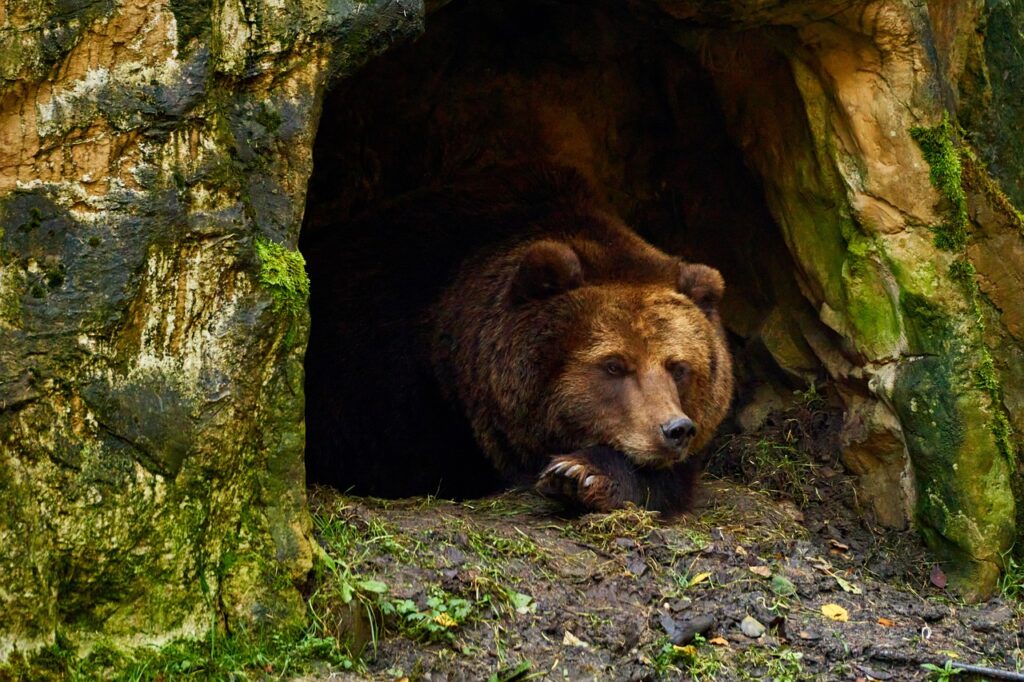
During group instruction, students will learn about specific animals that live in the forest (bear, bird, squirrel, rabbit, fox, deer) and their shelters (den, nest, burrow, brush). The students will practice these vocabulary words using a “my turn, your turn” strategy. While introducing the animals, the teacher will ask questions to the class to encourage discussion and dialog; questions may include:

  • What are animals that live in the forest?
  • How are the bear and the fox similar?
  • What do you think the shelters for these animals are?
  • What is different about the bird and the fox shelters?
  • etc.

As the teacher introduces animals and shelters, they will show the class visual representations of each one.

After introducing all of the animals and shelters, we will practice using the question and response sentence frames by choosing an animal to insert, and identifying its shelter. The teacher will choose an animal and its shelter to practice with, then the class will choral read both the question and response.

Question: Where is the (animal) in the forest?
Response: I see the (animal) in the (shelter).

Student Activity

In partners, one student will choose an animal and use the first sentence frame to ask their partner the question. Their partner will use the second sentence frame to respond, using the same animal and recognizing its correct shelter. Students will take turns switching roles until the activity is over.

Sources
Image by Daniel Mačura from Pixabay
Image by Robert Balog from Pixabay
Image by 현 정 from Pixabay
Image by fiamja from Pixabay 
Image by Alastair Newton from Pixabay
Image by Andy M. from Pixabay
Image by Ralph from Pixabay

Image by hashan from Pixabay
Image by Manfred Richter from Pixabay  

Image by NakNakNak from Pixabay 
Image by Joanjo Puertos Muñoz from Pixabay 

APRENDIZAJE DE UN NUEVO MUNDO

iNTRODUCTION TO THE LESSON

Langauges can play an important role to discovering the world from a different perspective, especially through a different culture, and knowing a language allows people to connect with other people around the world. When thinking of the countries that speak Spanish, here is a list:

  • Mexico
  • Spain
  • Cuba
  • Dominican Republic
  • Puerto Rico
  • Guatemala
  • Honduras
  • Ecuador

There are so many more countries that speak Spanish, or have Spanish influence in them, such as Morocco and its relationship with Spain since they border each other, (learning history can be incredibly fun). Even if students do not want to continue with Spanish, there are plenty of other languages that knowing Spanish will help learning another one, such as Portugese and French.

This lesson is for students in high school learning language, specifically Spanish. Students will be learning vocabulary for planning for the future after high school, whether that is college, studying abroad, or going to a trade school. Students will write a project in Spanish for investigating different opportunities to pursue after high school and how Spanish can play an important role for discovering opportunities. ‘

Students will choose something to research and investigate more about that Spanish will be useful for after high school. We will learn the necessary vocabulary in Spanish for students to be able to do their presentations in Spanish.

  • Yo quiero: I want to
  • Viajar :Travel
  • Estudiar: To study
  • Trabajar: To work
  • En: In
  • Este país: This country
  • En los Estados Unidos: In the United States
  • Etc…

Afterwards, students will present their findings in small groups. In the small groups students will decide which out of everyones project to present to the whole class, and then the whole class will present together in Spanish to the rest of the students.

The target for this project is to think of what opportunities there are after high school, and what uses can language play in all of that. Students will practice their vocabulary and speaking with other students, and also work on building community and communication skills with one another. There will be a presentation for students to present, a piece of writing, some poetry, or something of the sort that students can come up with, which will then be in Spanish.

Image Credits

Image by Lucia Grzeskiewicz from Pixabay

Image by Lubos Houska from Pixabay

Image by Naassom Azevedo from Pixabay

Image by Jan Vašek from Pixabay

Image by PDPics from Pixabay