Before beginning this course, I had a decent understanding of how to use technology in the classroom. However, I had mainly only had experience with Google and Microsoft tools, with the exception of Seesaw. Now I have a much larger tool box and have strengthened my skills with other familiar platforms as well. Here are some of my favorite examples I’ve created this semester.
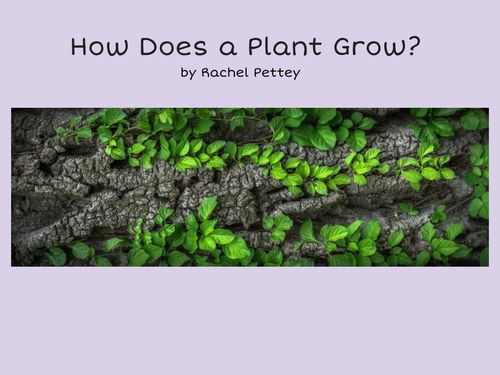
This is a short and simple book I made using Book Creator that’s intended to be used in the second lesson of a kindergarten unit on the plant life cycle. It has clear visuals and a little video to support early learning.
This post uses Google My Maps, which was one of the Google tools I was previously unfamiliar with. It’s an interactive map detailing three fun geology themed field trips for 1st-3rd grade and gets students familiar with My Maps and conducting simple research.
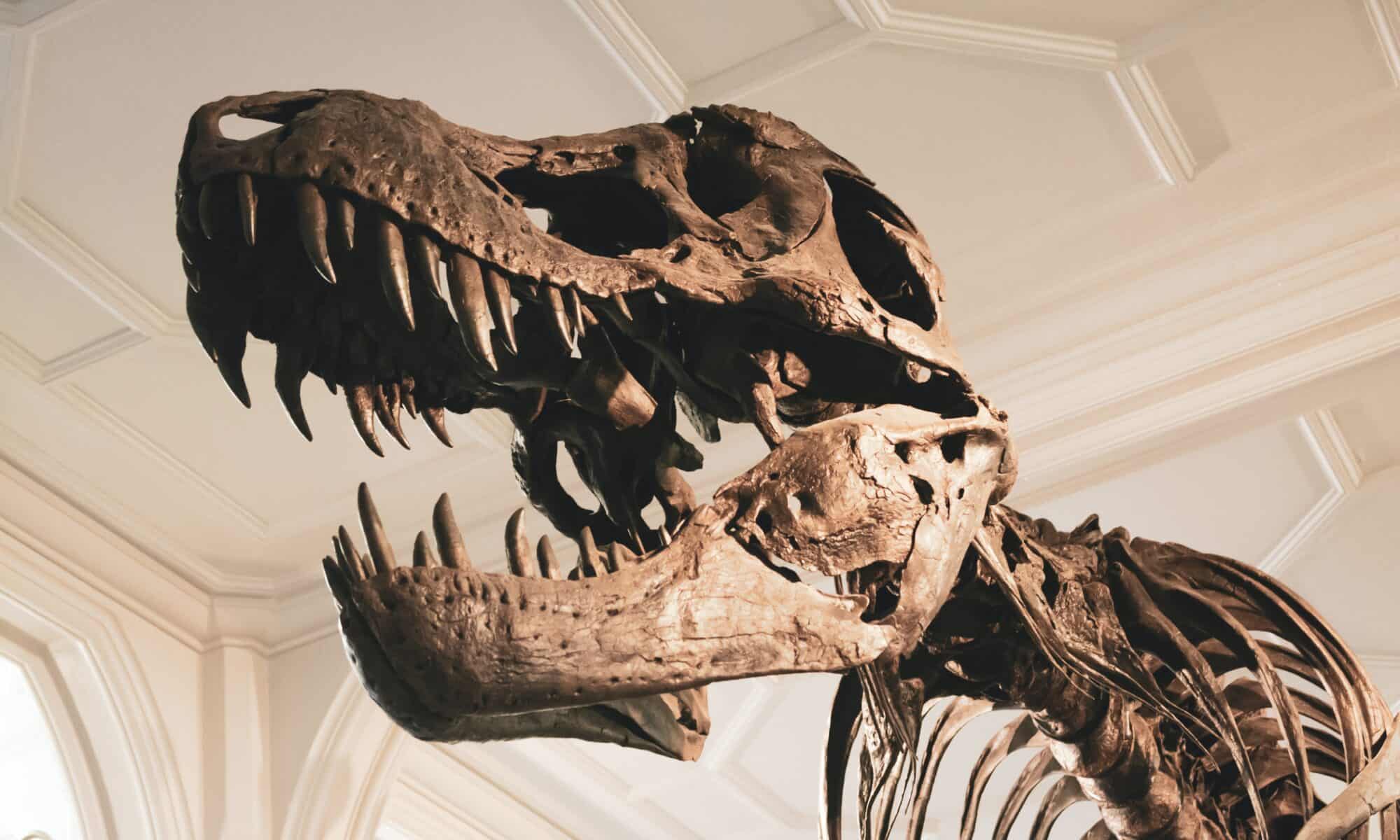
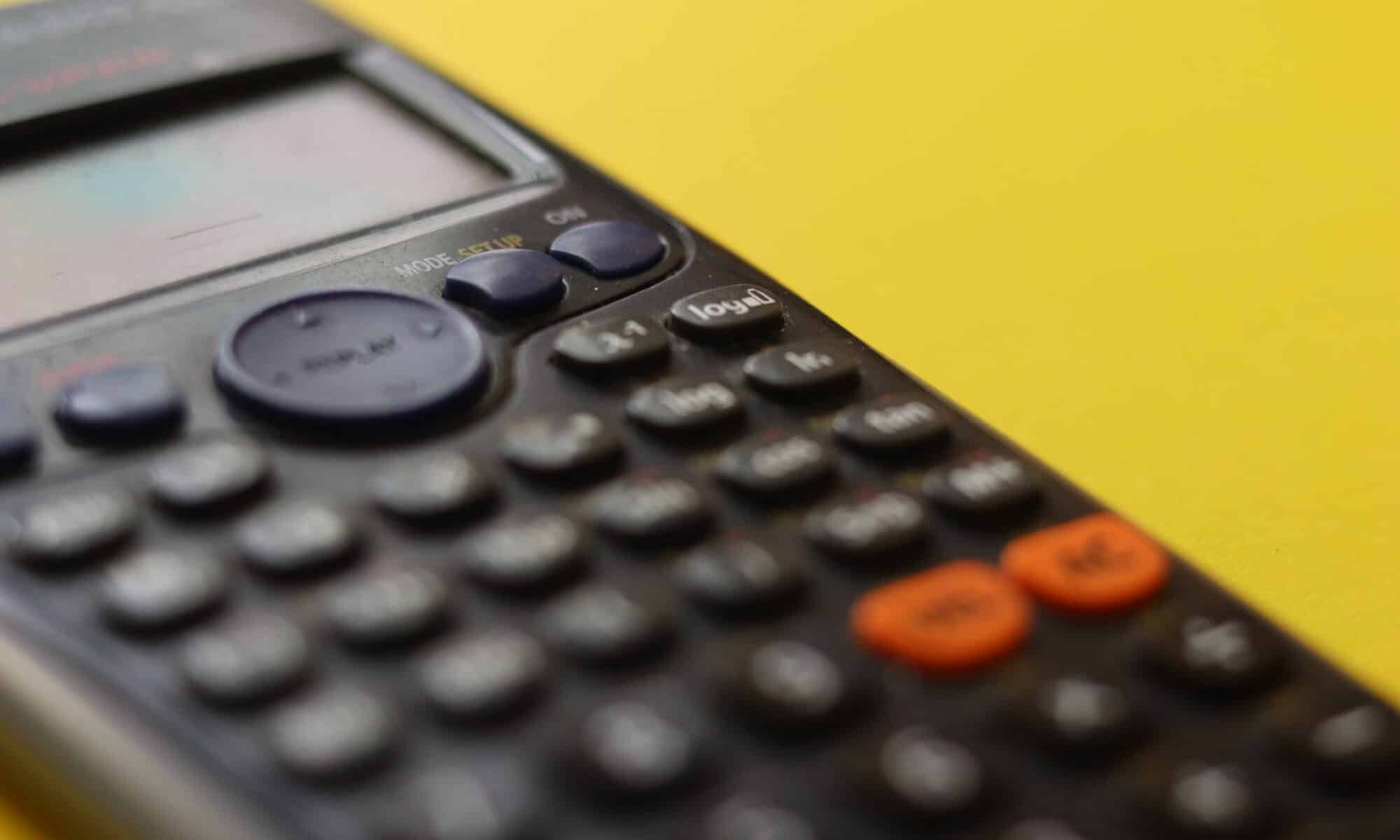
Here you can see two different uses of Google Forms for a range of grade levels. The first is a self-graded quiz for 5th grade math and the second is an interactive adventure involving fossils, the rock cycle, and ancient civilizations.
I am from the dirt,
from mud smeared on my hands and face to
cracked and dry soil piled into a toy dump truck.
I am from swirling dust that kicks up as I slide across home plate.

I am from water,
or rather lack thereof.
I am from lucky summer days spent under a sprinkler,
pretending to make shampoo out of flowers,
and then retiring to my room with a fan to fend off 110° heat.

I am from car horns honking
as people scramble through 7 lanes,
all with the simple goal of getting to their destination.
From those who didn’t always understand
that everyone was just trying their best.

I am from small trinkets and collections.
From every brand of sugar packet I could find
and perfectly organized bookshelves ordered by color and alphabet.

The smallest smells, sounds, sights, and feelings
will remind me of where I’m from.
I chose Microsoft Sway because it seemed more intuitive and I am more used to Microsoft tools. The way everything flows together feels less formal than a traditional slideshow and fitting for a simpler website. It’s also convenient that it saves in OneDrive which makes it a lot easier to access and keep track of.
April 29th, 2023

Dear former me,

It seems like only yesterday, I was at UP. It was the spring term, 2023.
So much has happened since then. The older you get, the faster time seems to move by and it'll be important to slow down and look back at where you've been. In just a few days you'll walk the stage and earn your BA in elementary education with a minor in psychology while your teaching license is being processed.

You're able to find a local teaching job in a 4th grade classroom and the transition was just as difficult as you anticipated, but you managed to find strategies that worked and kept that job for 5 years while completing your MAT during two of those years.

After earning this degree you began a career as a learning specialist at the same school. I'm sure this is no surprise, as your passion has been always helping children with specific learning needs or other disabilities that affect academics. While you felt like you were making a difference in students' lives as a teacher, you're now being able to help kids in the way you've always really wanted to. I know you worry and feel that you can't do anything to help certain students now during your student teaching when they're not receiving enough support, but now you have more agency and can do much more to ensure that students are not falling by the wayside. And it's not true that you aren't able to do anything to help those students you have now, you'll see.

Anyway, you're finally far enough into your career and have enough stability that you can take a breath for once. All the work you put in over the last 16 years was worth it so thank you for sticking it out :)
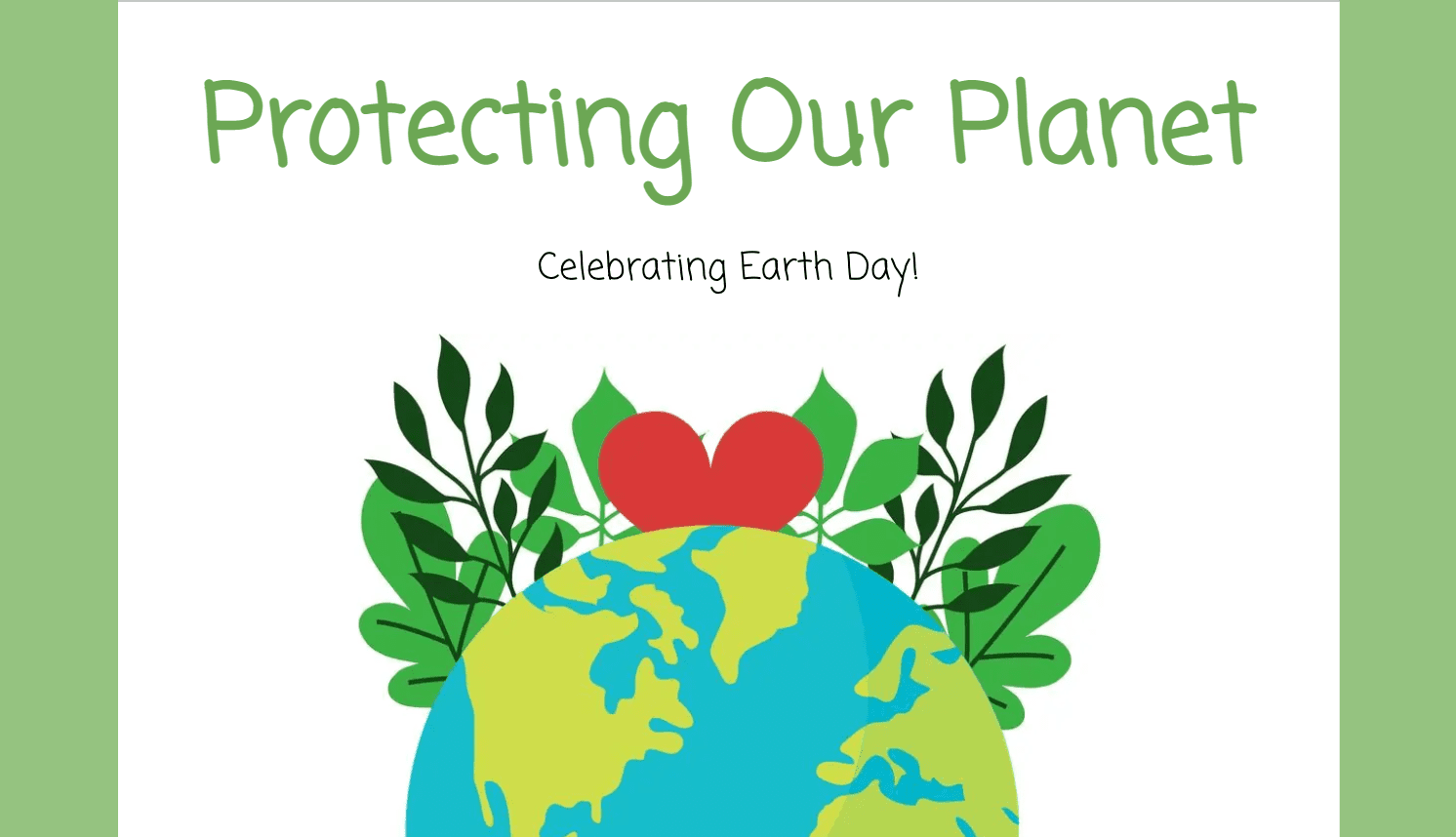
This will be the third or fourth lesson in a 4th grade unit addressing climate change and possible solutions. Students will research a way they can help the environment and add three facts they found, an image, and a text animation to a class Google Slides presentation. This way everyone can see the information their classmates found and different ways they can use Google Slides. The instructional goal of this unit is for students to identify one way we can help protect our environment and share it with the rest of the class. Students will meet this goal by using Google Slides and the different tools that can be used on it. This technology supports the instructional goal by providing the students a means through which they can organize and clearly present their work, and easily view their peers’ work as well.
This book is meant to part of the second lesson in a kindergarten unit on the plant life cycle. Students will learn about what a plant needs to stay alive/grow, the different parts of the plant, and the plant life cycle. They will have an introductory lesson before this and will start growing their own plant in the next lesson. While the video at the end is mildly annoying, students will listen to it every morning during the unit to help them learn on a schedule. Additionally, adding that extra video and auditory aspect will increase recall and overall retention.
Introduction to a week of fun geology themed learning activities for 1st-3rd graders.
Goal of the lesson
Students will be participating in a week of geology themed learning activities including three field trips. This would be something they do on the first day to introduce them to what the week is going to be like and to get them thinking about geology and its history. The goal of the lesson would be for students to navigate an interactive map and gather information from online sources about a specific topic. Hopefully they’ll be able to find something interesting that they can remember as we go throughout the week and share with friends or family!
Student facing instructions:
Hi Geologists! To start our week off, we’re going to look at a map of all the cool field trips we have planned. We’ll be going to OMSI, the Rice Museum, and Circuit Bouldering! Each of these places (including our school) are on the map and your job is to work with a friend to find find each place and learn some interesting facts by clicking on the links on each place. Let me know if you need any help!
Directions:
1. Find our school!
2. Find OMSI and learn something new about dinosaurs! Tell your friend what you learned and draw a picture.
3. Find the Rice Museum. What can you use labradorite for? Draw a picture of your favorite crystal.
4. Find the Circuit Bouldering Gym. What is the 5th highest mountain in the world?
Here’s two very unrelated Google Forms: one about converting units of measurements and one about exploring geology.
Link to converting units of measurement form: https://docs.google.com/forms/d/e/1FAIpQLSeC3p8r8Mlb8YS0W8C-Jj4g8UkW9l13hAna6XH0Xi_Aa2LDOw/viewform?usp=sf_link
Link to geology form: https://docs.google.com/forms/d/e/1FAIpQLSfSDQZS7TMxLVuiY_LuMPjscINtrK1PL8lX6R7HtzP6zj1VEA/viewform?usp=sf_link
How can it be used in the classroom?
Google Forms can be a great tool to help students with self-guided work and new technology. It’s also good for easy grading and feedback. I recently did a very short unit with 1st-3rd graders on geology and we covered all the topics mentioned in my branching form. While this might be too advanced for the 1st graders, it would’ve been awesome to have the older students use this form as a brief introduction to a topic of their choice. It also would’ve given me feedback to see which topics students were most interested in so I could have figured out what I wanted to spend most time on. Google Forms is also a great tool for exit tickets. I like to have a math “cool down” every day that allows me to see how much they got from the lesson and I think this would be a quick and easy way to get formative assessment results. Also, the instant feedback from a self-graded quiz will give students more time to ask me questions and get more individualized feedback based on their results.
AI is an intriguing tool for teachers to explore. While AI cannot understand your students’ interests or make emotional connections, teachers can use AI for lesson or assessment inspiration and then change it to best fit their class.
I asked ChatGPT to create an activity to teach 5th graders volume and this is what it came up with:
Objectives:
To understand the concept of volume
To understand how to measure volume
To practice measuring volume using cubes
Materials
Small cubes (such as cube blocks or dice)
A clear container (such as a glass or plastic box)
A ruler or measuring tape
Instructions:
Introduction: Introduce the concept of volume and explain that it is the amount of space that an object takes up.
Measuring Volume: Show the students how to measure the volume of the container using a ruler or measuring tape. Have them write down the measurements for length, width, and height.
Filling the Container: Have the students fill the container with small cubes, one at a time.
Counting the Cubes: Have the students count the number of cubes they used to fill the container. This number is the volume of the container.
Practice: Repeat the activity with different containers of different sizes, and have the students compare the results.
Calculating Volume: Introduce the formula for finding the volume of a rectangular prism: V = l x w x h, where V is the volume, l is the length, w is the width, and h is the height. Have the students use this formula to calculate the volume of the containers they filled with cubes.
Reflection: After completing the activity, have the students reflect on what they learned about volume and how they can use it in real life.
Conclusion: Summarize the main concepts covered during the activity and reinforce the importance of understanding volume.
Assessment: Observe the students as they complete the activity and ask questions to ensure they understand the concepts. You can also ask them to write a brief summary of what they learned about volume.
While I wouldn’t consider this the most interesting activity ever created, this is a good example of something teachers can use as a starting point to build on and make their own. For example, if this was my class, we might start off with an estimation exploration in which students look at an image of a box of candy and try to guess how much candy is/can fit in it. Or we could change the assessment to a partner poster or gallery walk of work about the most important parts of measuring volume/what they learned.
Student facing learning goal: I can write a descriptive paragraph using sensory details and vivid words.
Adding details to writing is a great way to engage your reader and make your writing more interesting. Do you know what the word “vivid” means? Something that’s vivid produces a powerful feeling or strong, clear images in the mind.
What is descriptive writing and how is it different from other sources of writing? Descriptive writing is used to describe a person, place or thing in such a way that a picture is formed in the reader’s mind. It can be added to a narrative to help the reader understand your story better and become more interested.
We’re going to look at a few images and silently take a minute to think about how you would describe what you see and imagine when you look at them.
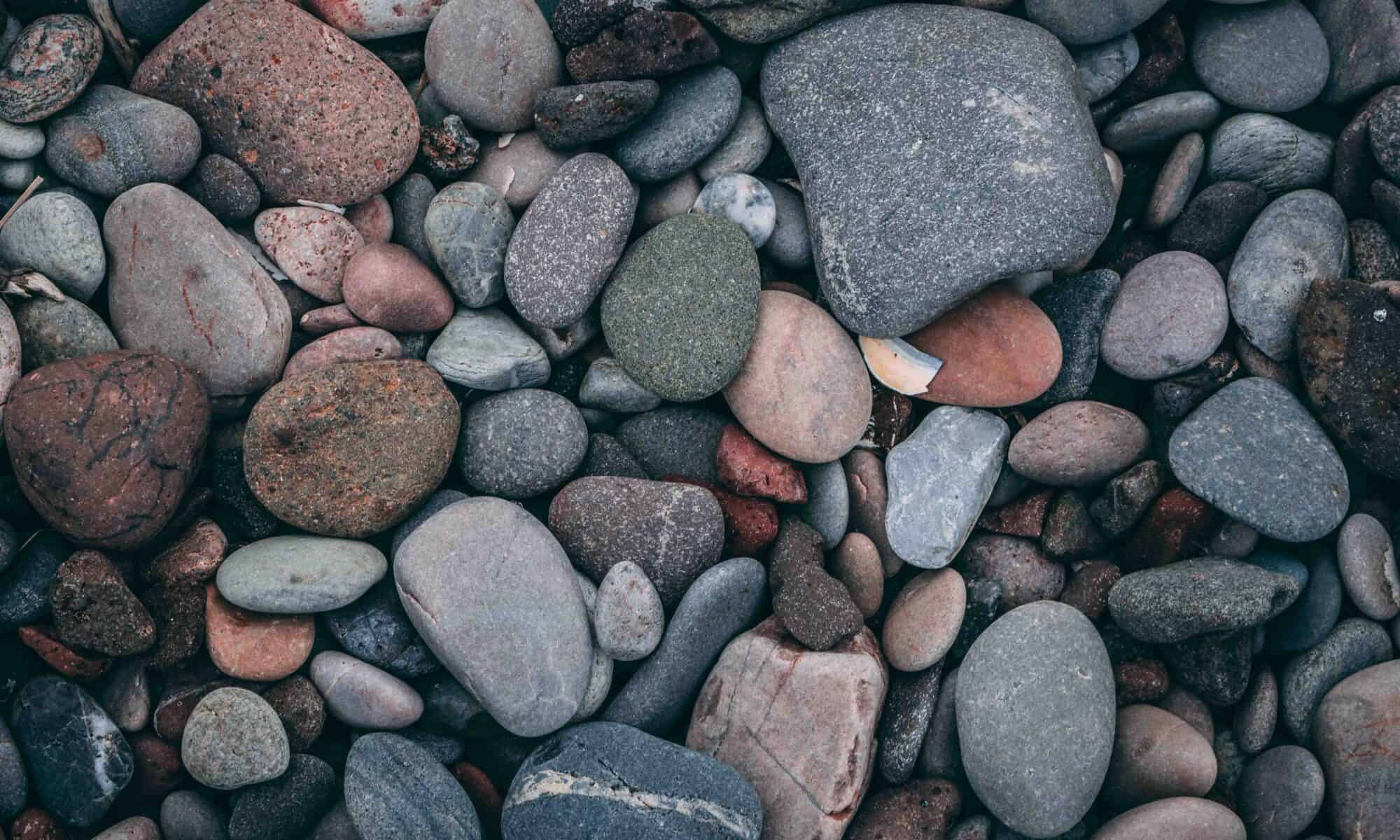
How would you describe what you see and imagine in this image?
How about this one?
An important part of descriptive writing is adding sensory details. What are the 5 senses? Sight, touch, hearing, taste, and smell. Let’s go back to the picture of the flower garden for a moment. What do you see in this image? What do you think you would hear if you were there? What do you think you would smell or touch? Let’s move to the baseball stadium. What do you think you would see? What would you hear? Would you be eating anything? What would you smell or touch?
We’re going to transition to writing a short descriptive paragraph using vivid words and sensory details. You’ll have about 10 mins to describe your favorite food (or dessert). We’re going to be sharing with a partner so make sure you do your best work.
Put pencils down and switch notebooks with a partner. Read your partner’s paragraph, circle any sensory details or vivid/descriptive words you notice and then talk to your partner about what you like about their paragraph, what you circled, and how you think they could improve.
I thought I was going to drop out of college at least 3 times in the four years I’ve been at UP. I obviously did not, but it’s been a very interesting four years in terms of my plan for my career.
It probably makes the most sense to start with a quick rundown of my pre-college educational experience. I was always a pretty smart kid overall, I excelled at reading and had a very large vocabulary, but I missed a lot of letter sounds when spelling and couldn’t do math for the life of me. I was diagnosed with ADHD and a specific learning disability in 5th grade but it was never followed up on for some reason so I never ended up with an IEP or 504 plan. I was also not told about my ADHD diagnosis. I did alright in most of my classes in high school but only because I spent the vast majority of my time working at the expense of other aspects of my life. Basically, I had no balance (I know, very healthy). As I said, I did alright in MOST classes. I scraped by with Ds in all my math classes, but hey, Ds get degrees right?
I lived in California at the time and was determined to go to college out of state , which meant I needed to get scholarship money somehow. I was in pretty good shape from playing softball for most of high school and saw that if I ran fast enough, I could get a ROTC scholarship. Apparently, I did, and I was able to get enough money to go out of state and come to UP. I applied as a psychology major, and within a month of starting, switched to political science and then a week later switched, again, to physics (a very good choice for someone who is clinically bad a math). My GPA for my first year was awful and I ended up losing my scholarship and wasn’t able to continue the ROTC program. So… I had to get it together or else I wouldn’t be able to attend UP anymore. I had a bit of a crisis between my first and second semesters and decided I wanted to switch to elementary education because I’ve always loved working with kids and wanted to provide the support I didn’t have growing up to young students.
And then, as soon as I had officially switched my major, COVID hit and I once again considered dropping out. But that wasn’t really an option so I had no choice but to figure out how to manage online school on my own. That didn’t go particularly well either. I was incredibly burnt out and struggled to get work done on time. However, I did end up getting (re)diagnosed with ADHD and found out that I was as a kid, which didn’t actually help my academics, but it did help me give myself some grace. I was once again worried that I was going to fail and have to stop attending, but I had no idea what I would want to do without a degree so that wasn’t an option. I was able to keep my grades up even though online school was a bit of a disaster and I was exhausted.
I knew with my student teaching year coming up that I needed to get better at managing my time and energy and advocating for myself. I started to let my professors know what things I might need help with ahead of time. I made sure I got explicit instructions and examples if anything was unclear to me and didn’t shy aware from asking for extensions if necessary. As I get further into the edTPA process, it’s going to be more important than ever for me to ask questions, even if it seems like an annoying amount, learn how to allocate my energy, and learn to organize my work. If all goes according to plan, I’ll be graduating this year with my teaching license ready to be a positive adult figure in kids’ lives and give them the support I didn’t have at that age 🙂