
Grow Plant, Grow!

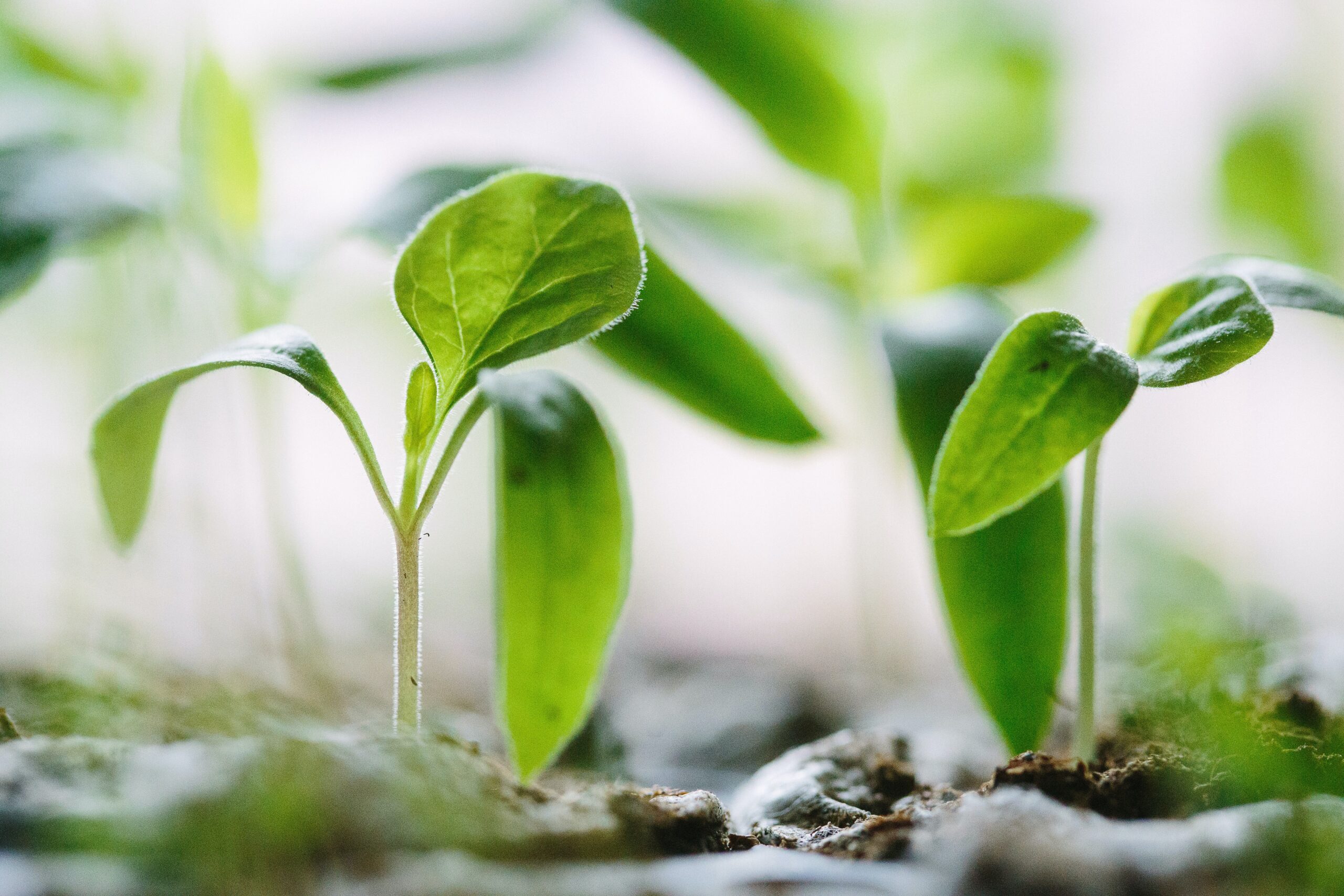
Soil: Photo by Roman Synkevych on Unsplash

Alright my first grade friends, today for science we are going to be learning about the life cycle of plants. Just like people and animals, plants also have life cycles because they are alive! I am going to go over our learning targets which are, by the end of the lesson, we will be able to describe the life cycle of the plants and the nutrients plants need to survive.
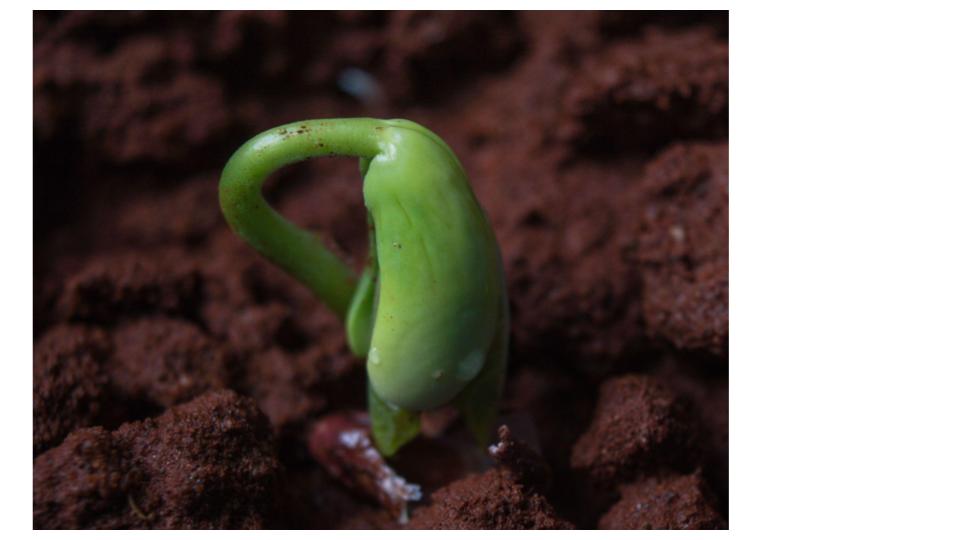

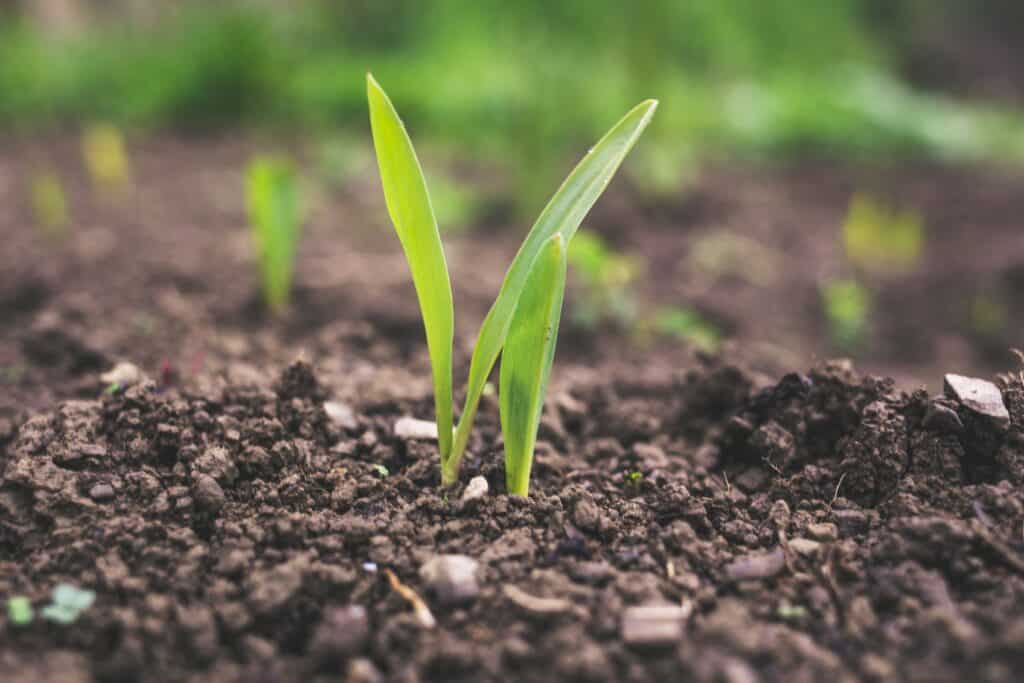
Seed Photo: Photo by Gabriel Kidegho on Unsplash
Tree Photo: Photo by niko photos on Unsplash

Now, I want you all to look at the side by side photos above. Can anyone tell me what the pictures are and what they have in common? (Allow think time and call on students. Students should share that the photos are of a seed/spout and a tree and that seeds turn into plants, like trees.) Great! In order for a plant, such as a tree to form, they must begin with a seed. Now, seeds do not magically form into trees overnight. There is a process that plants must go through in order to reach their fully developed stage of life. Today we are going to learn about all the stages of life that a plant must go through in order to develop and survive.

Now we are going to take a look at a few images in order to understand the process that plants go through in order to go from a seed to a full grown plant.
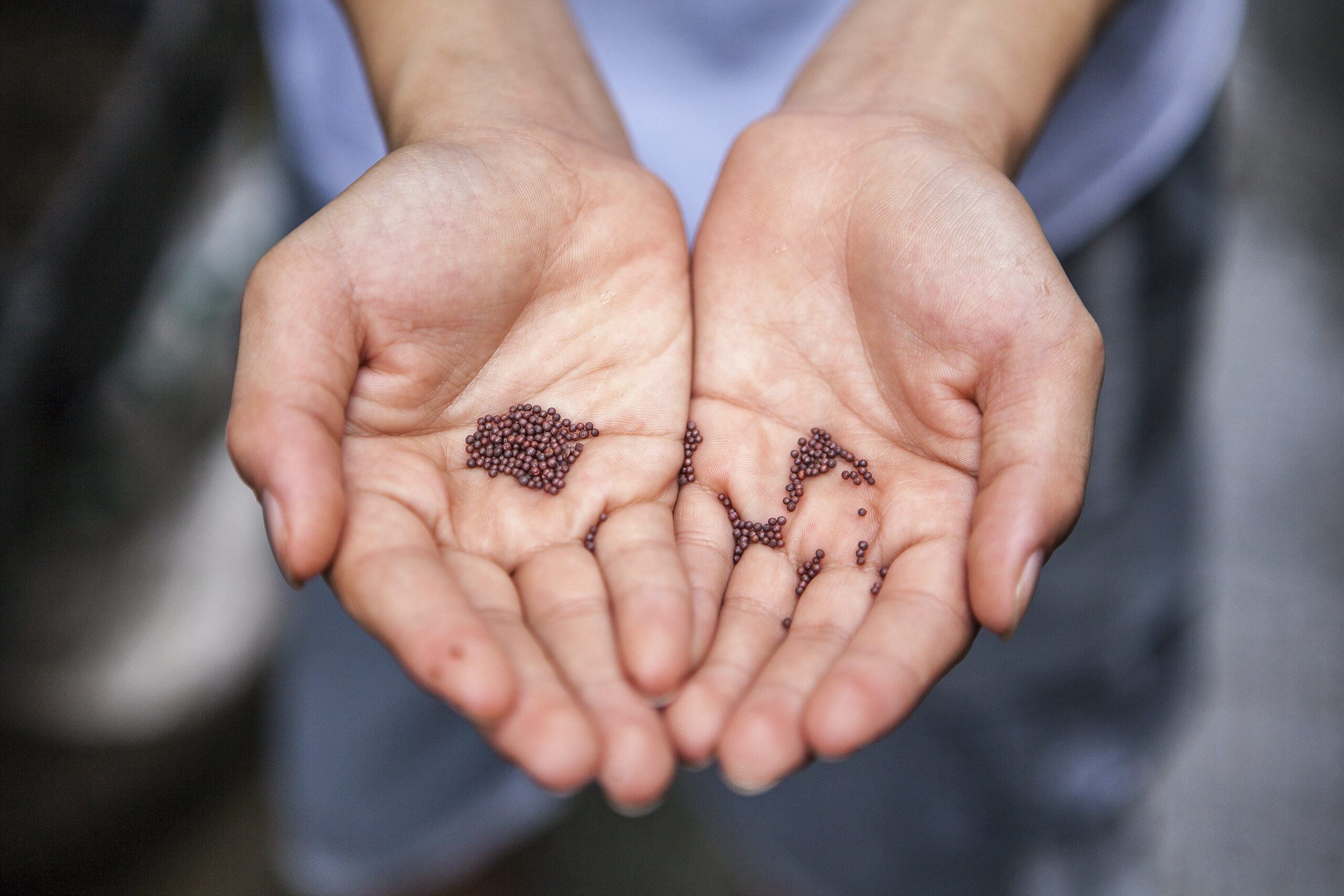
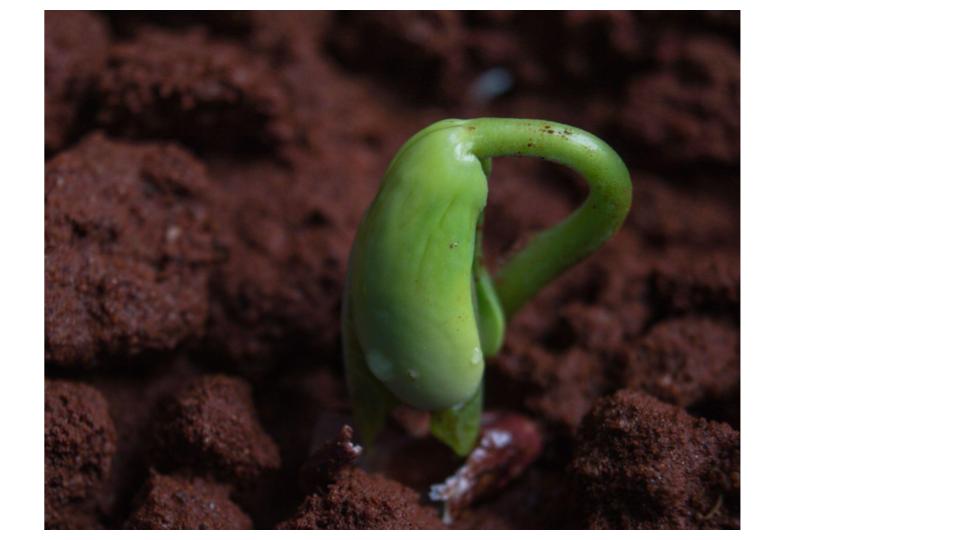
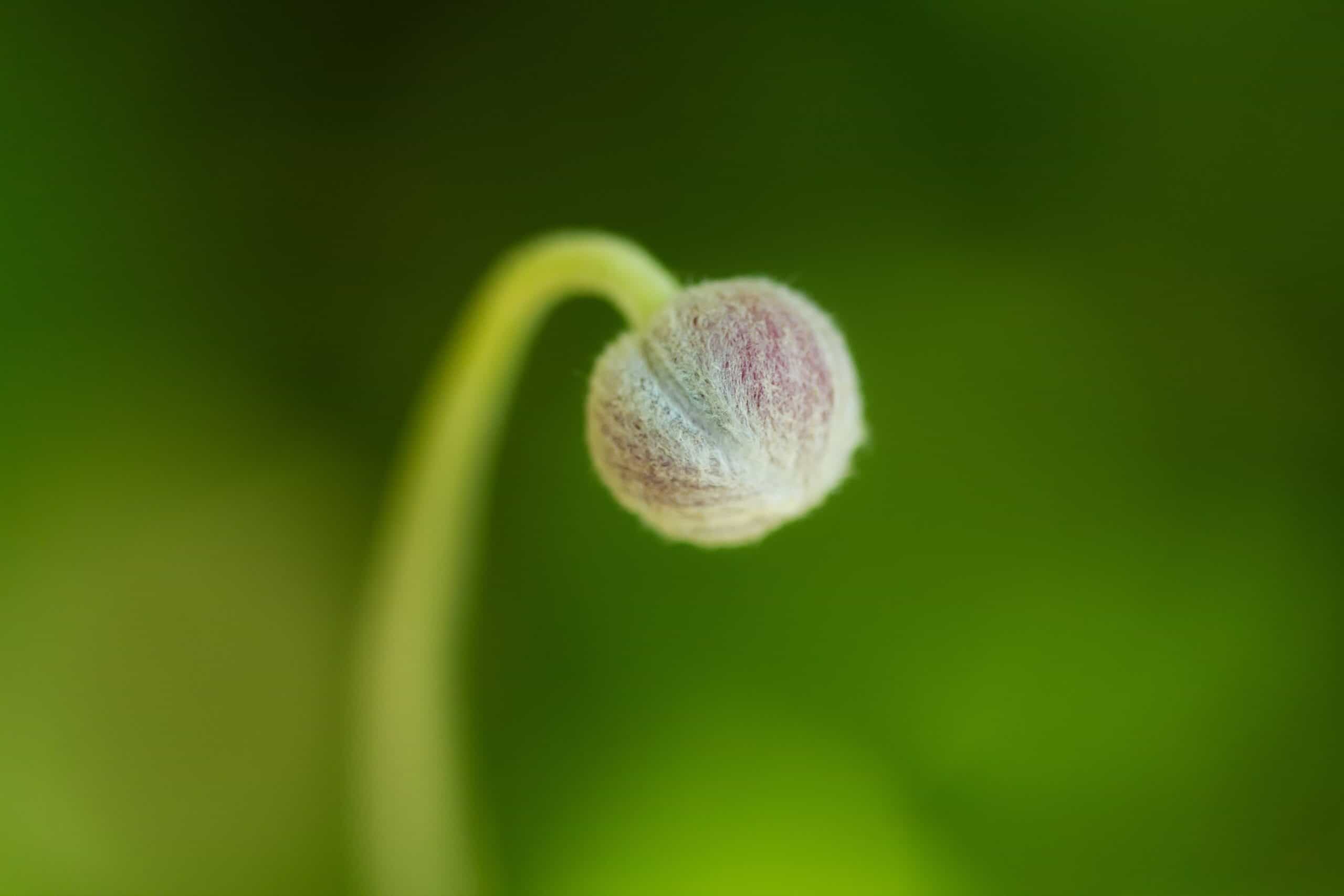
Seed Photo: Photo by Joshua Lanzarini on Unsplash, Sprouting Seed Photo: Photo by Gabriel Kidegho on Unsplash, Growing Sprout Photo: Photo by Francesco Gallarotti on Unsplash, Budding Flower Photo: Photo by Andreas Haslinger on Unsplash, Flower Photo: Photo by Andrew Small on Unsplash

Begin with Gallery Photo 1: In order to begin the life cycle, plants must begin with a seed. Inside the plant is a baby plant known as an embryo. Seeds need to be planted in dirt or soil and watered in order to begin the growing process! Once the seed has all the nutrients it needs to begin growing, it will begin to plant roots and start growing.

Flip to Gallery Photo 2: Once the seed has the right nutrients such as the right temperature, water, and a good location, they can begin growing. Seeds do not grow very rapidly, but they will continue to grow their roots downward into the soil and grow upwards out of the dirt.

Flip to Gallery Photo 3: After the seed has begun to sprout, they will begin seedling as seen in this photo. A seedling is a very young plant but in this stage of life, they begin growing leaves and growing even bigger than before. During this process, the plant begins growing upward toward the sunlight. In order to continue growing, the plant still needs nutrients such as sunlight, water, and the proper air/temperature to become more mature.

Flip to Gallery Photo 4: Once the plant continues to grow, it will begin to form buds, as seen in this photo. Inside the bud, a little flower begins to grow and form, but it does not open until it is completely ready, which is why it is still in a small circle form, as seen in the photo. The flower needs to be protected by the outer layer until it is ready to blossom.

Flip to Gallery Photo 5: Finally, once the plant is fully developed, it will open and it will blossom into a beautiful flower. For this example of flowers, once the flower blooms, insects, such as bees, can begin the pollination process in order to begin the plant life cycle all over again. For plants, such as trees, the life cycle process is very similar, except instead of blooming into a flower, the tree would just continue to grow and grow as long as its needs are met.

Now, we talked about a few different necessities that plants need to grow, so I want you to turn and talk with your partner for a couple minutes in order to brainstorm all the different nutrients that a plant needs to survive!

(Give students a couple minutes to chat with a partner and roam the room to facilitate and monitor discussions. Call on a few students and ask what they discussed with their partner. Answers should be along the lines of ‘sunlight/temperature, soil, water, etc.)

Awesome! (Flip to graphic below) Just like us, plants need different nutrients to survive such as sunlight, soil, and water!

Sun Photo: Photo by Ainsley Myles on Unsplash, Water Photo: Photo by David Ballew on Unsplash, Soil Photo: Photo by Roman Synkevych on Unsplash

Wonderful job today, my first grade scientists! Now, you will be able to recognize the different stages of plant life and identify plant nutrients in your everyday life! I challenge you to find a plant today after school and determine the stage of life the plant is in and what nutrients you see around it that might have helped its growth! We will have the chance to share this tomorrow!

Dear Future Ms. Lyons

Dear Future Ms. Lyons,

I write this letter to you, from the comfort of my good, ole, college house bedroom. Oh the good days of balancing two jobs, full time student-teaching, and being a full time student! Hopefully by now you have some more time to relax?!

Anyway, by the time you read this, you will be Ms. Lyons, with your very own classroom! Right now, the stress of the last semester of senior year is building up and I have no idea where I am going to end up, how I are going to get there, what opportunities are going to present themselves to me, or anything in between. All I know right now, is that I want to be a teacher and that dream will become a reality after graduation in May. With the millions of uncertainties right now, it is stress relieving to know that there is a certainty that I will become a teacher, and that teacher is you! The woman who had dreamed of becoming a teacher from when she was a little girl. The woman who was told that “teachers don’t make enough so you should consider a different career path.” The woman who was passionate about shaping little hearts and minds. While you read this, just know your college self is proud of you for sticking through the challenges and for always remembering to “just keep swimming.”

Now, Ms. Lyons (you sound so official now!), while I don’t know a lot about the future, I do have some pieces of advice that you should keep in mind, when life becomes crazy in the classroom.

  1. Continue to let creativity drive your instruction.

It is so easy to take the simple way out and come up with a one size fits all worksheet for your students to do. So. Easy. Do not fall down that rabbit hole. Sure, sometimes a worksheet is probably the best tactic to use for some lessons. Worksheets are not evil by any means; however, if the students can do a hands on project…let them! Let them explore different subjects through experiments, art, and creations. Allow the students to let their imaginations run wild! Students will be sure to remember “that fun project in Ms. Lyons’s class” far more than the 763rd worksheet of the year. If you are not enthusiastic about the lesson, the student’s won’t be either. Teach in ways that you are passionate about and be the teacher that students are ready and excited to learn from each day because learning is so fun in the classroom–like Ms. Frizzle!

2. Know when to take a break

You tend to be a very busy lady. While you enjoy taking on on lots of different tasks, know when to take a break! If you become burnt out quickly, because you neglect to take a break, this will translate into your teaching and your students will catch onto it. Go to bed early. Do a face mask. Watch some reality TV! If you do not take care of yourself, you will have an awfully hard time taking care of the little ones. You must tend to your needs and well being. I know life can be stressful but it is important that you know your limits and boundaries. Don’t be like Hamilton–know when to take a break.

3. Sometimes lessons will be amazing! Sometimes they won’t. That’s okay.

Sometimes lessons do not go the way you planned and you might feel a little bit like this:

While it is not fun in the moment, just remember no teacher is perfect. Everyone has off days, off lessons, and sometimes we put in a lot of work to something that might flop! With this, it is important to remember that it is not a reflection of you. You are a great teacher. You will continue to be a great teacher, after a lesson that maybe did not meet the mark! Guess what? It is in your mistakes and “mess-ups” that you are continuing to learn, grow, and become a better educator than you were before. Take these opportunities to refine your lessons and come up with something that works better next time! You preach to your students to “have a growth mind-set” and that “mistakes are okay!” Take your own advice. Mistakes happen. Teachers are not perfect. This is not a reflection of you.

4. Stay Positive

It is about as easy to adapt a negative attitude, as it is to create a one-size fits all worksheet, that we talked about earlier. Don’t do it. Come into the classroom every single day with a smile (and a coffee…this will help you smile more, too). Do not let yesterday’s day effect today. Students bounce back and come with a new perspective everyday. Be the reason that your students are excited to come into the class! Dance around with them. Sing with them. Laugh with them. It is easy to be filled with negativity as the school year progresses because you might be feeling burnt out. Do not let this effect your relationships with the students, your lessons, or your daily attitude. Continue to find a silver lining and remain positive, all year long! If you come in with a positive attitude, the day will go much smoother and you will be much happier. Be like this teacher!

At the end of the day, just remember, your younger college self is very proud of you for persevering and chasing your teaching dreams. You did it. You rocked it & I bet you are continuing to rock it. Stay creative, stay positive, and take breaks when you need to. Now, go boogie with your kiddos.

Much love,

Elizabeth

P.S. Here is one more song for good measure;)