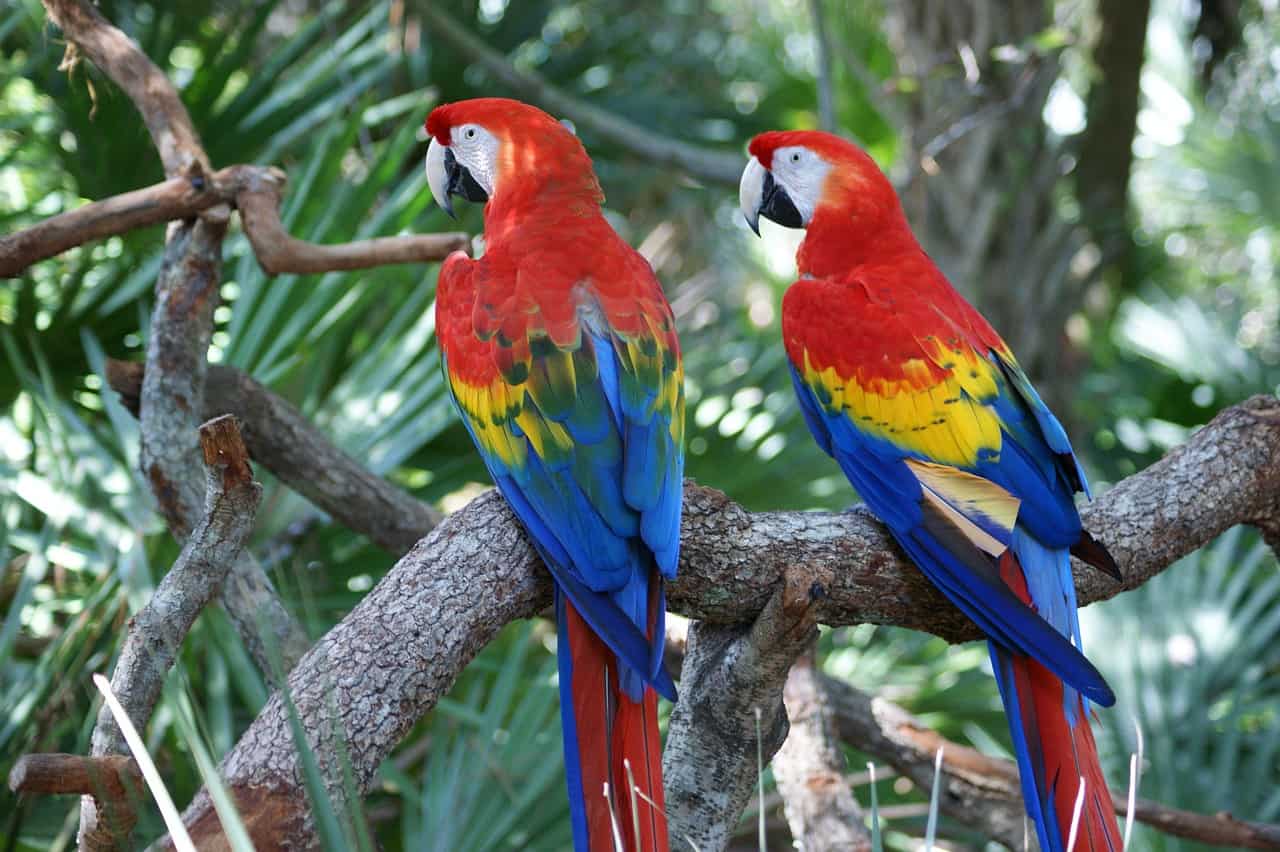
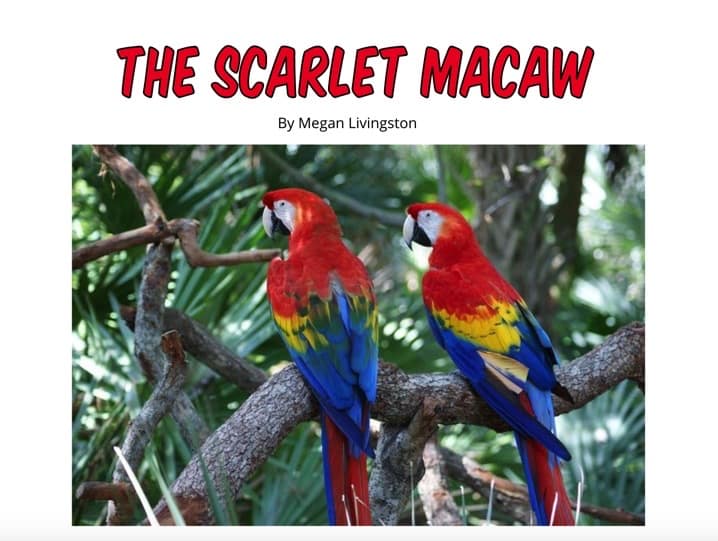
I created a book about scarlet macaws that would be used as a model to show student what is expected of them. This could be used in a project about rainforest animals, where each student is asked to choose an animal and create a book about it to be shared with the class. I would show my book, pointing out along the way how I used facts and pictures, and included the sources I used at the end.
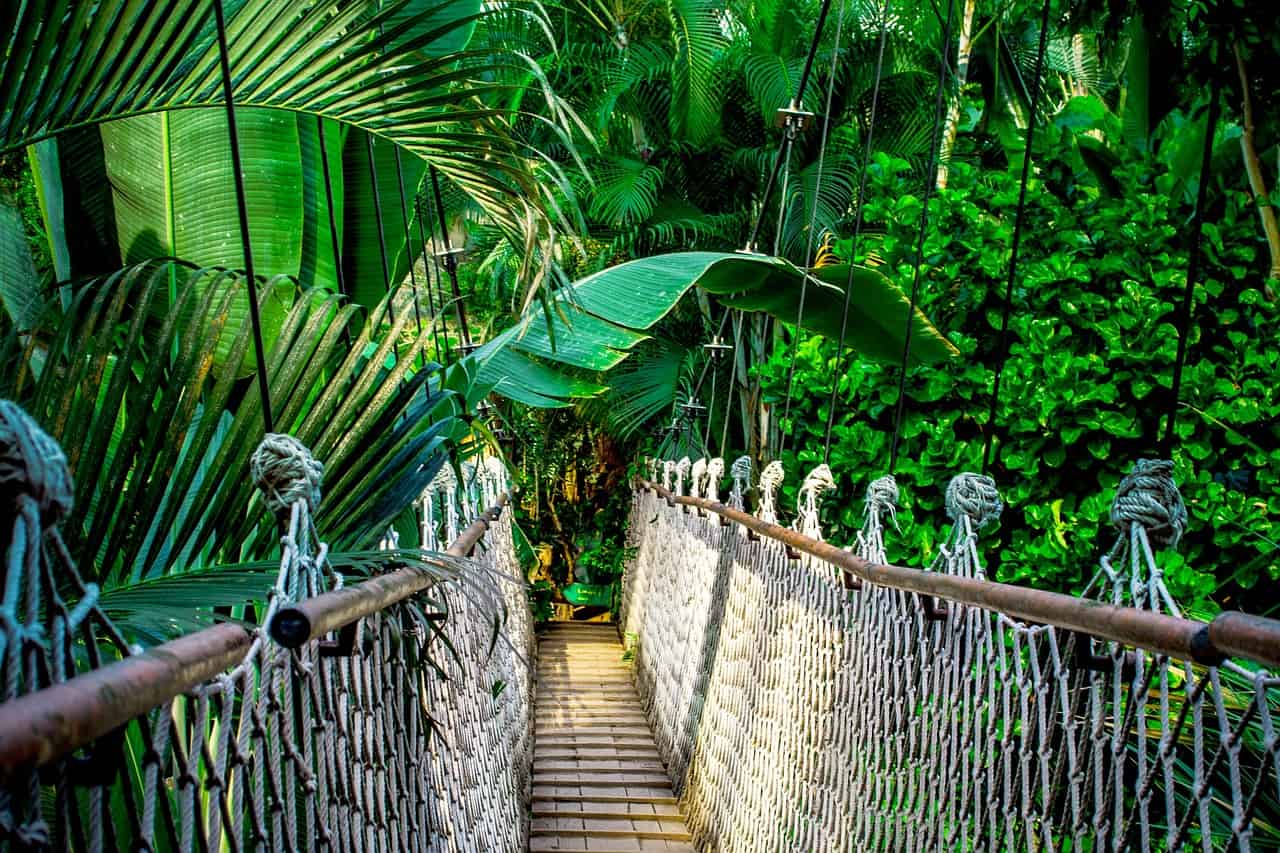
I asked Chat GPT to “create a lesson plan teaching first graders about the Amazon Rainforest,” the written plan is also included in this post. This is a great resource to help teachers plan lessons, as it is able to come up with detailed plans that include assessments, talking points, and activities to do during the lesson. This would be super helpful in developing new ideas and strategies. It is important to consider the specific needs of my class and individual students, what the class already knows, students’ interests, etc. before I teach using a lesson plan created by Chat GPT. While it is an excellent tool, it cannot replace teacher planning entirely, and should instead be used as a starting point. For example, if I was going to teach a lesson using the lesson plans here, I would first want to consider adaptations/modifications that I would need to make to ensure the lesson is appropriate for my students. I would also want to consider what lessons will be following this one to ensure that this is consistent with them, and matches the standards and unit goals.
Title: Exploring the Wonders of the Amazon Rainforest
Objective: Students will learn about the Amazon Rainforest, its geography, and some of the animals and plants that live there.
Materials:
Pictures of the Amazon Rainforest and its animals
A map of South America
Construction paper
Scissors and glue
Crayons and markers
Books about the Amazon Rainforest (optional)
Introduction: Begin by asking the students if they know what a rainforest is. Explain that a rainforest is a type of forest that is always wet and humid. Introduce the Amazon Rainforest, and show pictures of the rainforest and some of its animals.
Body:
Geography of the Amazon Rainforest
Show a map of South America and point out where the Amazon Rainforest is located.
Explain that the Amazon Rainforest is the largest rainforest in the world, and covers many countries including Brazil, Peru, Colombia, and Venezuela.
Discuss the climate of the Amazon Rainforest, explaining that it is hot, humid, and rainy.
Animals of the Amazon Rainforest
Show pictures of animals that live in the Amazon Rainforest, such as jaguars, monkeys, sloths, and parrots.
Talk about each animal and what makes them special. For example, you could explain that jaguars are the largest cats in the Amazon, monkeys can swing from tree to tree, sloths move very slowly, and parrots are colorful birds that can talk.
Plants of the Amazon Rainforest
Show pictures of plants that live in the Amazon Rainforest, such as trees, vines, and flowers.
Explain that the Amazon Rainforest is home to many types of plants, including the tallest trees in the world.
Talk about the importance of plants in the rainforest, including how they provide oxygen, food, and shelter for animals.
Activity: Have the students create a rainforest collage using construction paper, scissors, and glue. Instruct them to cut out pictures of animals and plants from magazines or printouts, and glue them onto a piece of construction paper. They can use crayons and markers to add more details to their collage.
Closure: Ask the students to share their collages with the class, and have them explain which animals and plants they included. Review the main points of the lesson, and encourage the students to share what they learned with their families.
Assessment: Assess the students’ understanding of the Amazon Rainforest by reviewing their collages and listening to their explanations of the animals and plants they included. You could also ask them questions about the geography and climate of the rainforest, or have them draw a picture of their favorite animal or plant from the Amazon Rainforest.
I am from late night drives, from rolled down windows and loud singing. I am from Seattle adventures, spent with good friends and filled with laughter.
I am from a kitchen filled with the smell of cookies, and stolen bites of batter. I am from firehouse trips, from paramedic stories and firetruck tours.
These moments have defined me, taught me to be spontaneous and caring, encouraged by friends and family the entire way.
This will be the third or fourth lesson in a 4th grade unit addressing climate change and possible solutions. Students will research a way they can help the environment and add three facts they found, an image, and a text animation to a class Google Slides presentation. This way everyone can see the information their classmates found and different ways they can use Google Slides. The instructional goal of this unit is for students to identify one way we can help protect our environment and share it with the rest of the class. Students will meet this goal by using Google Slides and the different tools that can be used on it. This technology supports the instructional goal by providing the students a means through which they can organize and clearly present their work, and easily view their peers’ work as well.
This activity is targeted for 2nd graders, and would ideally be completed at the beginning of the school year, however it would still be a fun and educational activity later in the year as well.
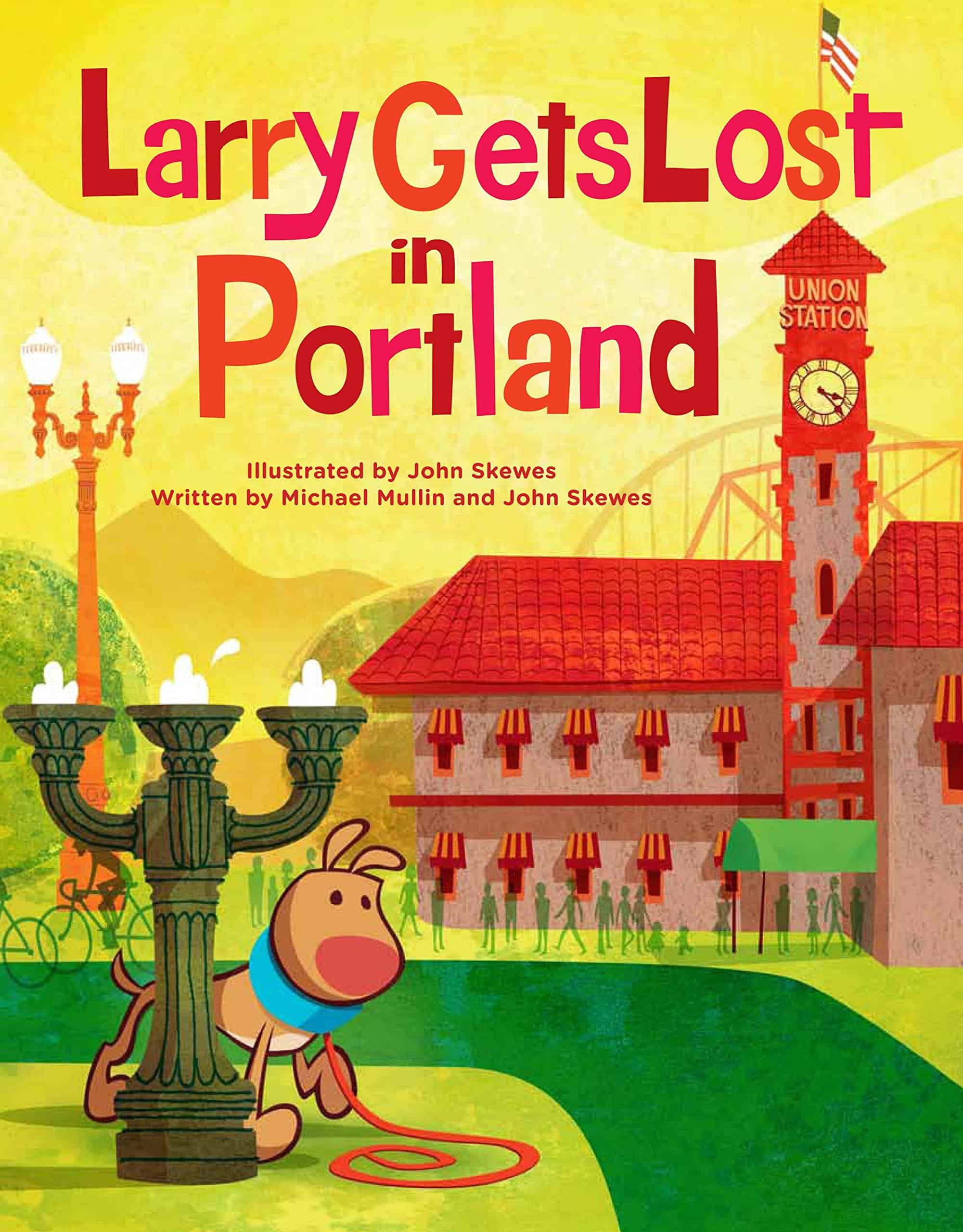
The lesson would begin with the teacher reading the book Larry Gets Lost in Portland, written by Michael Mullin and John Skewes. In this book, Larry goes with his owner Pete and his family on a trip to Portland, Oregon. While there, Larry is distracted by food and loses his family when he chases after it. As he tries to find Pete and his family again, Larry journeys all over Portland and sees all sorts of landmarks and attractions.
Over the course of the book, Larry visits 12 places, but we don’t learn much about each spot beside its name.
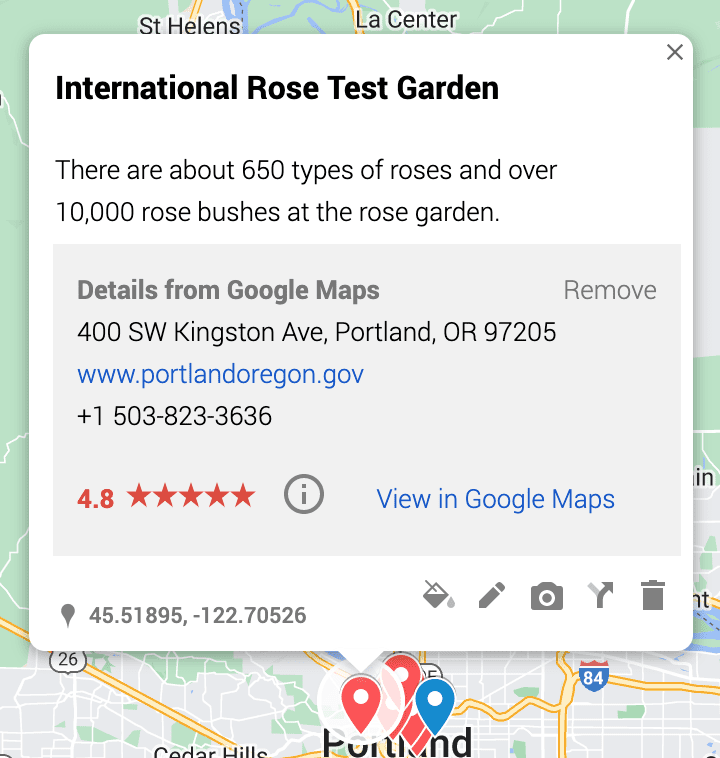
Larry at the Rose Garden
Student Instructions
We’re going to make a map based on where Larry went in Portland and where we like to go in Portland! On your map, you should include all of the places Larry saw, and add 1-2 facts about each location that you researched.
Teacher example: I researched the Portland Rose Garden, and chose to include this fact because it was new information to me and I thought it was interesting
Places Larry visited
Old Town
OMSI
The waterfront
Hawthorne Bridge
The Park Blocks
Powell’s Books
The zoo
International Rose Test Garden
Portland Art Museum
Jen Weld
Hawthorne Bridge
Light Rail and streetcar
Union Station
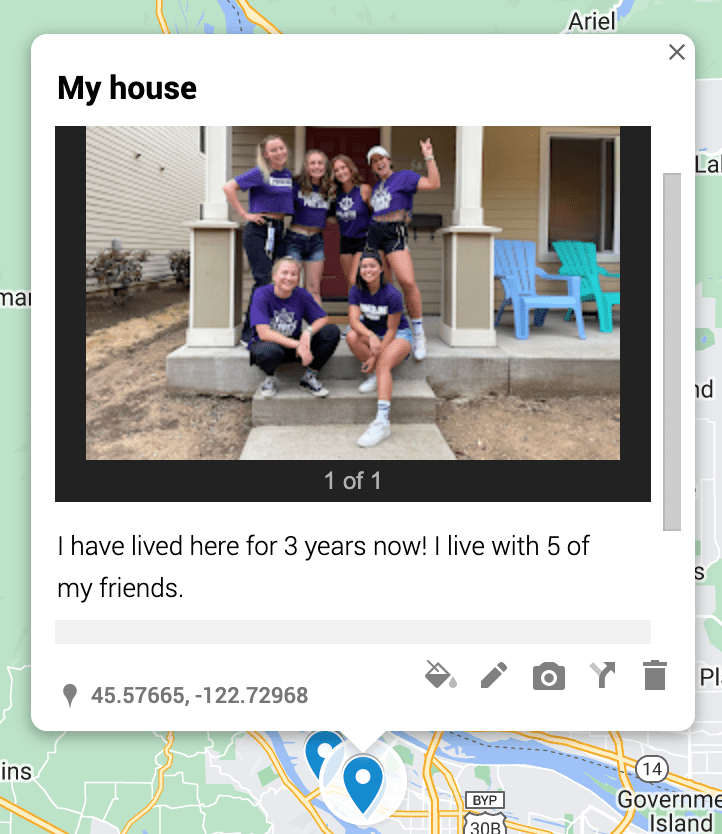
In addition to the 12 location Larry went to, you should add 5-10 places in Portland that are important to you or where you like to go. These places should be in a different layer than the places Larry went, should include a picture (preferably one taken by you or one that includes you in it), and a 1-2 sentence description of what it is and why it is important to you.
Teacher example: This is one of the locations that I added to my map to show a place in Portland important to me.
Once everyone has completed their map, we will share our maps with the class. You will choose one of the places Larry went and tell us what you learned about it during your research. You will then share the locations you added that are important to you, the pictures you included, and what you wrote about each one.
This project serves to teach students about important features of Portland, learn about other students in their class, and practice research and sentence writing. It would be especially fun and useful at the beginning of the year because it will help students form connections and foster a positive, close-knit classroom community.
My own map for reference/ example:
This project could also very easily be translated to a different location as there are various Larry books in which he gets lost in Boston, New York City, Seattle, the USA, etc.
This lesson is designed for kindergarteners, and combines science and reading by learning about the forest environment and the animals that live there while using learned sight words and practicing sentence structure.
During group instruction, students will learn about specific animals that live in the forest (bear, bird, squirrel, rabbit, fox, deer) and their shelters (den, nest, burrow, brush). The students will practice these vocabulary words using a “my turn, your turn” strategy. While introducing the animals, the teacher will ask questions to the class to encourage discussion and dialog; questions may include:
What are animals that live in the forest?
How are the bear and the fox similar?
What do you think the shelters for these animals are?
What is different about the bird and the fox shelters?
etc.
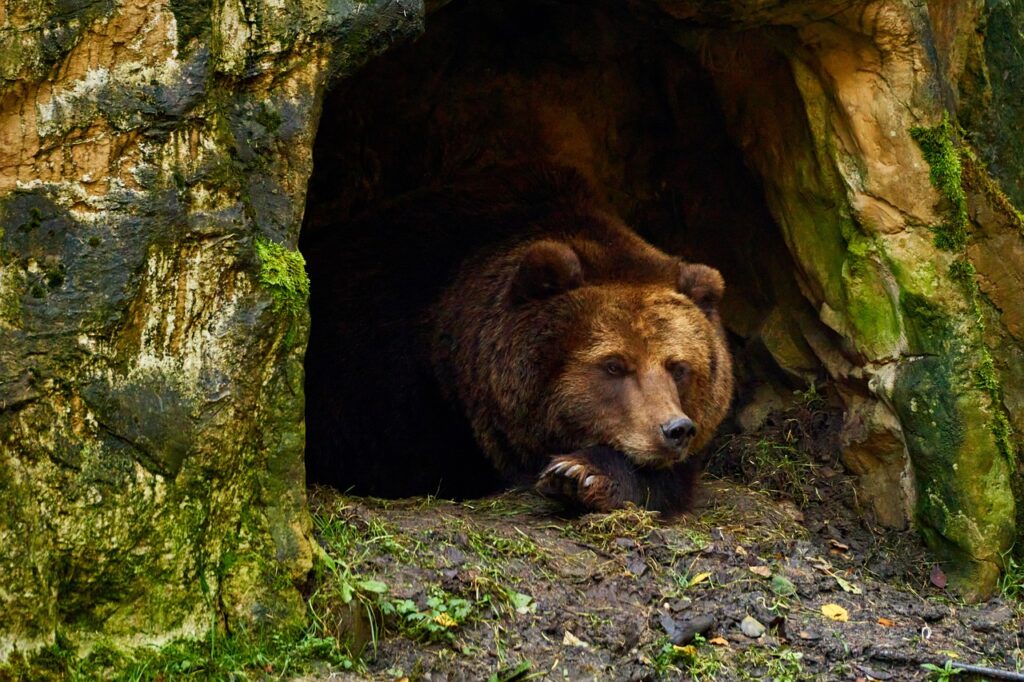
Bear
Bird
Squirrel
Rabbit
Fox
Deer
As the teacher introduces animals and shelters, they will show the class visual representations of each one.
After introducing all of the animals and shelters, we will practice using the question and response sentence frames by choosing an animal to insert, and identifying its shelter. The teacher will choose an animal and its shelter to practice with, then the class will choral read both the question and response.
Question: Where is the (animal) in the forest?
Response: I see the (animal) in the (shelter).
Student Activity
In partners, one student will choose an animal and use the first sentence frame to ask their partner the question. Their partner will use the second sentence frame to respond, using the same animal and recognizing its correct shelter. Students will take turns switching roles until the activity is over.
I was planning on coming back to Portland on January 2nd so that I could start going to full time student teaching on the 3rd, but on the day I was returning, I tested positive for COVID and stayed with my parents for another week in Seattle. I was really disappointed to be missing the first week back with the kids and super bored quarantining in my room for the next several days.
When I was finally able to come back to Portland I was super excited, but also worried that I would be lonely because none of my housemates had returned yet. While it was really weird being the only one in the house when there are usually six people, it wasn’t too much of an issue because I got back from student teaching at 5:00, and was so tired that I was falling asleep around 9:00.
Full time student teaching is a lot of fun so far, but also extremely tiring and overwhelming at times. I’ve finally gotten used to my sleep schedule again so waking up at 5:45am isn’t quite as hard and I’m able to stay up later than 9:00pm, but some mornings are definitely still hard; I’ve never been a morning person.
One of the best things about teaching full time is being able to see the kids and connect with them more, especially because the afternoon has more down time than in the morning. As kindergarteners, they can really boost my ego with compliments some days (“Ms. Livingston, you look so beautiful! Like a princess!”), and humble me on others (“Ms. Livingston are you sure you brushed your hair today?”). It truly is a balance.
Aside from student teaching, I’ve been so happy to see my roommates and other friends again. It’s a little harder to hang out with people now that we’re second semester seniors, but so far I’ve been able to celebrate my roommate’s birthday with friends, make dinner with a friend, and see lots of people in classes and around campus that I haven’t seen since before winter break.
Even though I know this semester will be a busy one, I’m excited to be able to spend it with all my friends and kindergarten students!